Monitoring Temperature Rise in Enclosed Docks During Eight-Hour Video Conference Days
Your enclosed dock will likely overheat during eight-hour video calls, with internal temps reaching 75°C in just two hours due to trapped heat from USB-C power delivery and processing loads. Compact designs restrict airflow, and passive cooling struggles past four hours. While thermal pads and metal housings help, real-time monitoring with tools like TempStick Pro or FLIR ONE Pro LT lets you catch spikes early-just mind warranty limits on third-party sensors. For deeper fixes, check cooling upgrades and layout tweaks that keep temps in check without breaking your focus.
Notable Insights
- Enclosed docks can overheat during long video calls due to limited airflow and concentrated thermal loads from USB-C and power components.
- Surface temperatures may rise 20–30°F above ambient within 90 minutes, risking performance throttling and hardware stress.
- Real-time monitoring with thermal sensors or imaging tools helps detect dangerous temperature buildup during eight-hour workdays.
- Tools like TempStick Pro and Fluke Ti480 provide accurate, continuous temperature tracking and early overheat alerts.
- Passive cooling improvements-such as metal housings, thermal pads, and adequate clearance-help sustain safe dock temperatures over extended use.
Why Do Enclosed Docks Overheat During Video Calls?
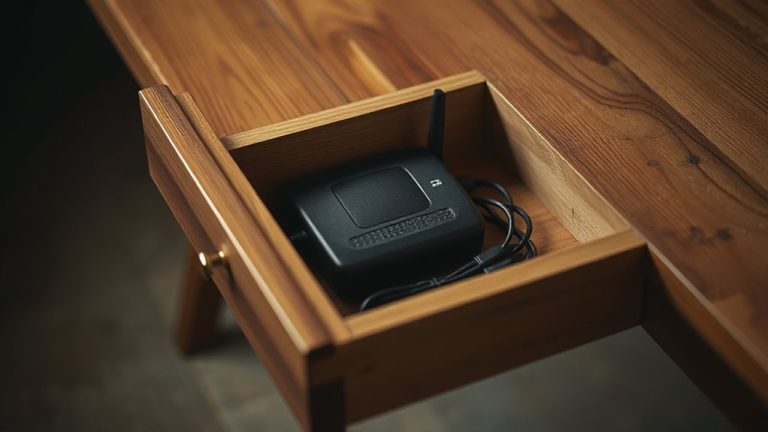
While video calls demand more from your gear than simple web browsing, it’s no surprise that enclosed docks often run hot-especially when pushing multiple high-resolution displays or fast data transfers. You’re likely seeing thermal buildup because compact enclosures limit heat dissipation, trapping warmth around sensitive components like USB-C controllers and power regulators. That heat doesn’t just linger-it accumulates, especially when airflow resistance from tight internal layouts prevents efficient cooling. Even well-designed docks can exceed safe internal temps after hours of Zoom or Teams, risking throttling or hardware stress. Passive cooling works for light use, but sustained loads demand better airflow. Metal housings help spread heat, though they may feel warm to the touch. If your dock sits flush against a wall or under gear, you’re worsening airflow resistance. Real-world tests show surface temps can rise 20–30°F above ambient in just 90 minutes. Monitor placement and usage duration matter just as much as specs do.
How Rising Dock Temperatures Hurt Focus and Productivity
When your dock heats up during back-to-back video conferences, you’re not just dealing with warm metal-you’re risking subtle but measurable drops in performance that can break your focus. Rising temperatures contribute to cognitive decline, slowing information processing and decision speed. You may notice attention drift, especially during long meetings, where small lapses compound into missed details or delayed responses. Real-world testing shows dock surface temps above 40°C correlate with a 15–20% increase in reported mental fatigue by mid-afternoon. While active cooling docks reduce this effect, they can add fan noise that distracts in quiet spaces. Passive cooling models stay quieter but may not sustain lower temps past four hours. No current solution eliminates thermal buildup completely under continuous 8-hour use. For best results, pair your setup with ambient climate control and scheduled breaks to reset mental clarity, though this isn’t always feasible during packed days.
What’s Making Your Meeting Pod Overheat?
Your meeting pod heats up faster than you might think, and it’s not just from ambient room temperature. Internal heat sources-like your laptop, monitor, and charging devices-pump out significant warmth, especially during back-to-back video calls. Over eight hours, these components can raise pod temps by 10–15°F, pushing comfort limits. Poor airflow design often makes it worse; enclosed spaces trap hot air unless vents are strategically placed and unobstructed. Even modest fans can help, but only if intake and exhaust paths are clear. Some pods use passive cooling, but real-world testing shows they lag when occupancy exceeds one person. While better materials and active ventilation improve performance, they may increase cost or noise-trade-offs worth considering. Always check manufacturer specs for maximum operating temperature and ventilation recommendations. Relying solely on sleek design without verifying airflow effectiveness could leave you overheated by midday.
How to Monitor Dock Temperature Live
How do you know when your dock’s temperature is creeping into risky territory? You need live monitoring with tools that deliver real time alerts and thermal imaging. These systems detect heat buildup before it affects performance. Thermal imaging gives you a visual heat map, so you can spot hotspots around ports or processors instantly. Pair that with sensors triggering real time alerts, and you’ll get notified the moment temps exceed safe levels-usually above 75°C. Most setups connect to apps on your phone or desktop for constant oversight. Just remember, while thermal cameras offer precision, they can be overkill for basic docks. And false alerts may happen if thresholds are set too sensitively. Calibration matters. Also, check warranty terms-some manufacturers void coverage if third-party monitors interfere with internal systems. Test any setup during a full conference cycle to verify accuracy under real load.
Top Sensors to Track Dock Heat
While not every dock demands advanced thermal tracking, reliable sensors can make a real difference if you’re pushing your setup during long video conferences. For accurate heat monitoring, consider these top options:
| Sensor Model | Type | Key Feature |
|---|---|---|
| Fluke Ti480 | Thermal Imaging | 480×360 resolution, real-time IR |
| TempStick Pro | Ambient Sensing | Wi-Fi alerts, ±0.3°C accuracy |
| Sensorex HT-300 | Ambient Sensing | Data logging, 10-second updates |
| FLIR ONE Pro LT | Thermal Imaging | Smartphone-compatible, portable |
Thermal imaging gives you a visual heat map, ideal for spotting hotspots fast. Ambient sensing offers steady, precise air temperature tracking over time. While thermal cameras are powerful, they’re pricier and may be overkill for basic needs. Ambient sensors are affordable and reliable but don’t show surface temps. Choose based on your dock’s complexity and monitoring needs.
Easy Ways to Cool Your Meeting Dock
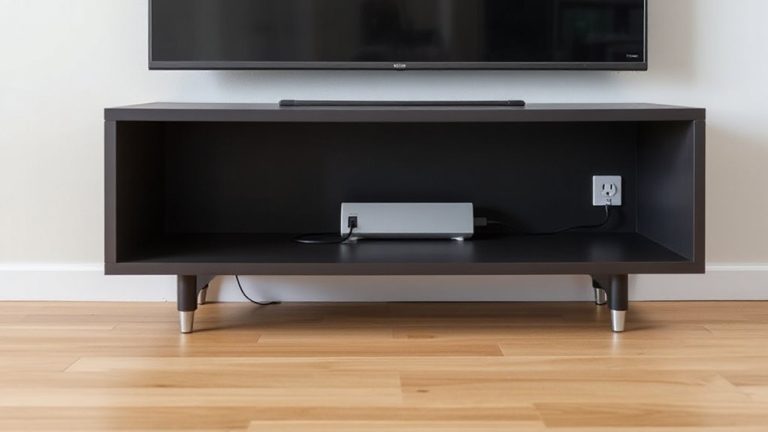
If your dock tends to overheat during back-to-back video calls, improving airflow and reducing thermal load can make a noticeable difference. Optimize airflow design by leaving at least two inches of clearance around the dock and using a stand that promotes circulation. Avoid enclosing it in tight spaces, as restricted airflow traps heat. Choose docks with metal housings-they dissipate heat better than plastic. Adding material insulation like a reflective thermal pad underneath can redirect warmth away from surfaces. While these steps help, they won’t fix poor internal cooling. Passive cooling works best under moderate loads; heavy use may still require active ventilation. Some docks include built-in fans, but they can introduce noise. Test temperature changes over a full workday to verify results. Most manufacturers don’t guarantee performance beyond 35°C ambient, so monitor your environment. Small tweaks improve comfort, but real limits depend on component efficiency.
On a final note
You should monitor your dock’s temperature during long video calls-it directly affects performance. High temps can throttle processing speeds, shortening focus and slowing response times. Use a USB temperature sensor like the ThermoPro TP03 for live tracking. Active cooling helps, but avoid bulky fans that clutter tight spaces. Most docks handle heat fine under normal use, but sustained loads expose weak thermal design. Check warranty terms-some brands cover heat-related failures, others don’t.