How to Prevent Tripping Hazards With Flat Cable Trays Along the Baseboard
Mount flat cable trays along your baseboards to stop tripping over loose cords-these 0.8”-high PVC or reinforced trays hold cables securely out of foot traffic and reduce fire risks from pinched or frayed wires. They install fast with strong adhesive, but work best on smooth, clean walls; textured or fresh paint requires anchors. Paintable surfaces blend with trim, and 8-foot lengths cover most runs. Just check adhesion early and consider UV-resistant models near windows if you’re aiming for long-term, seamless safety.
Notable Insights
- Install flat cable trays along baseboards to keep cords out of high-traffic walking areas.
- Choose low-profile trays (0.8” height) to fit discreetly under baseboards and reduce绊倒风险.
- Use trays with adhesive backing on clean, smooth surfaces for secure, tool-free installation.
- Opt for paintable trays to match baseboard color and blend seamlessly into office environments.
- Check adhesion regularly and reinforce with anchors if needed, especially in high-movement zones.
The Real Danger of Loose Cords
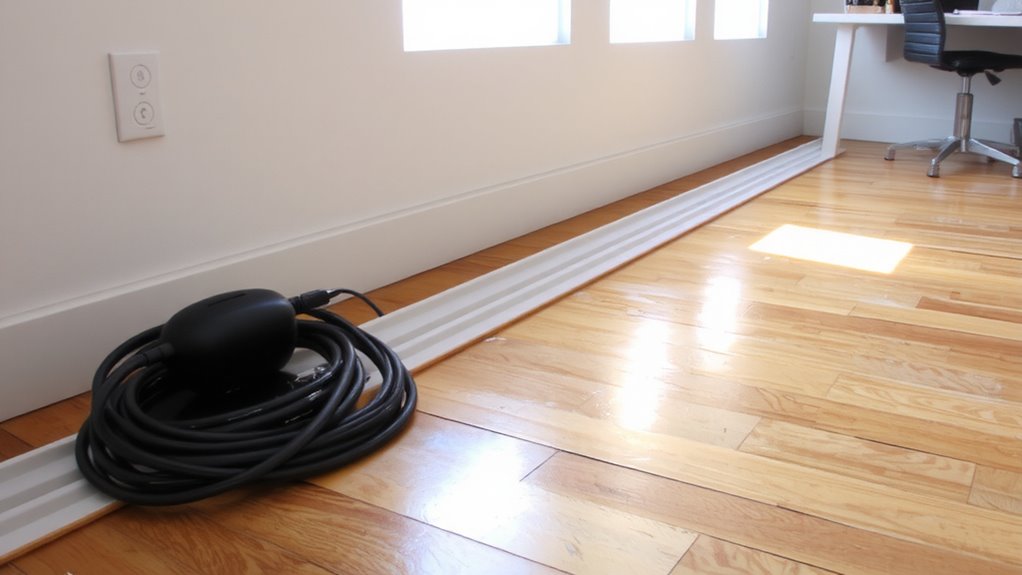
While it might seem harmless to leave charging cables and power strips snaking across your office floor, those loose cords pose a far greater tripping hazard than most people realize-especially in high-traffic workspaces. You’re not just risking a minor stumble; loose wires can lead to serious 绊倒受伤, particularly if someone trips while carrying something heavy or moves quickly between tasks. Over time, frayed or pinched cords also increase the risk of electrical fires, especially when tucked under rugs or jammed in doorways where heat builds up unnoticed. You might think taping cords down is enough, but adhesive often fails, leaving wires more exposed. Even budget cord organizers tend to degrade within months under daily wear. While flat cable trays aren’t a complete fix, they’re one of the few solutions tested to markedly reduce tripping and wire damage in real office environments-without trapping heat like enclosed raceways can. For those seeking a sleek and effective approach, best cable management solutions can integrate seamlessly along baseboards to keep cords secure and out of foot traffic.
How Flat Cable Trays Secure Wires Along Baseboards
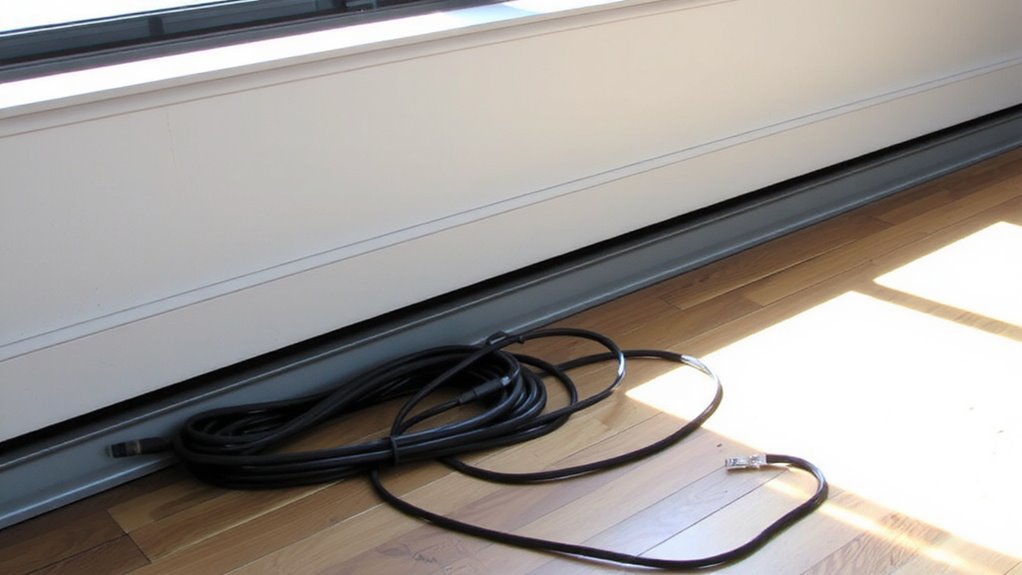
Flat cable trays offer a reliable way to keep cords out of walkways by running them neatly along baseboards, where they’re less likely to snag or cause trips. You get effective cable management and clean cord concealment without remodeling. These low-profile trays mount easily with adhesive or screws, staying flush against walls. They’re ideal for home offices or shared spaces where safety and organization matter. For those aiming for a minimalist setup, incorporating best cable management practices enhances both safety and visual appeal.
| Feature | Benefit | Trade-off |
|---|---|---|
| Adhesive backing | Quick installation | Less durable on textured walls |
| 0.8” height | Fits under most baseboards | Limited space for thick cables |
| Paintable surface | Blends with trim | Requires prep work |
| 8-foot length | Covers long stretches | May need joining clips |
| PVC material | Resists wear | Can yellow over time |
Always check wall type and cable load before committing.
Pick the Right Baseboard Cable Tray for Your Room
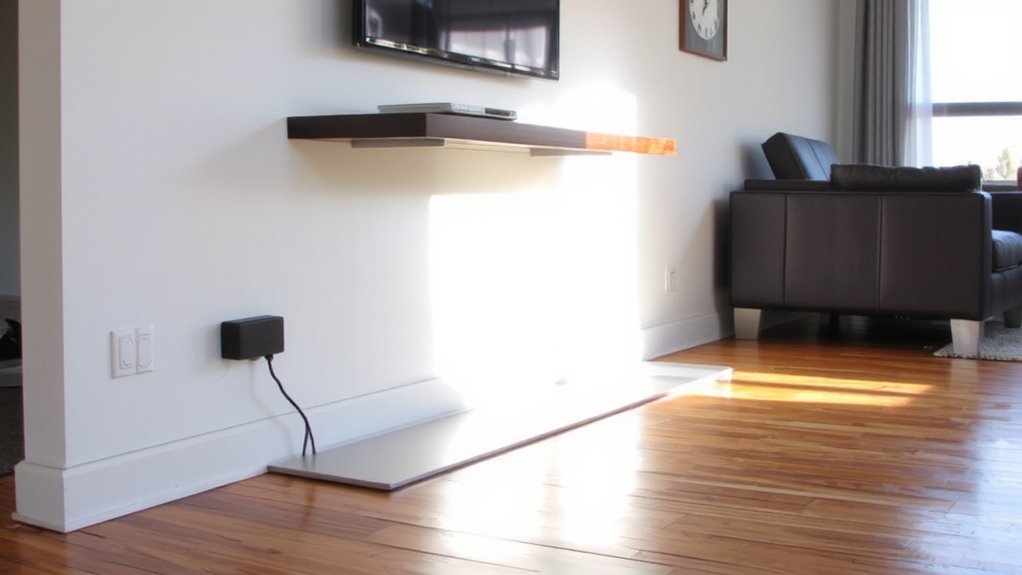
What makes one baseboard cable tray better for your space than another? It comes down to material durability and color matching. You need a tray that resists cracking under daily wear-aluminum or reinforced PVC models last longer than basic plastic, especially in high-traffic areas. Look for UV-resistant finishes if sunlight hits your walls, preventing fading over time. For color matching, pick a shade that blends with your baseboard-off-white, beige, or gray kits work in most rooms, but exact matches matter in visible spaces. Test a sample in natural light before buying. Some kits include paintable surfaces, offering flexibility. While slim profiles fit tight spaces, they hold fewer cables. Larger trays manage more wires but may stand out. Choose based on your room’s layout and cable load. Don’t sacrifice function for looks-balance both for the best result. A well-organized setup also enhances your cable management solutions for a cleaner, safer workspace.
Install a Flat Cable Tray in Minutes
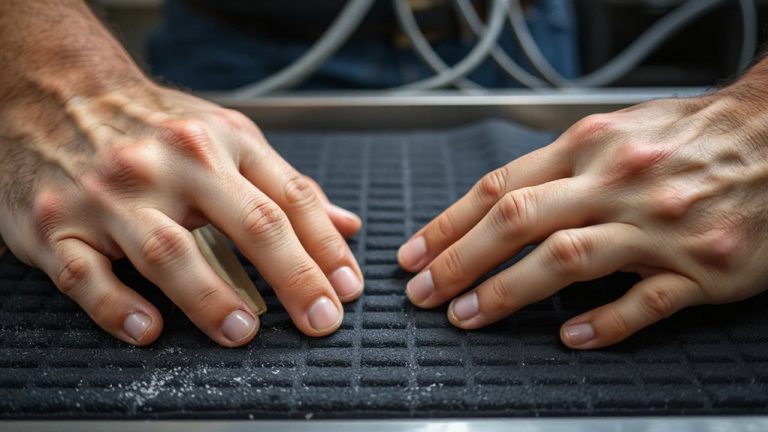
Since setup time and reliability matter in any workspace upgrade, installing a flat cable tray should be quick-but only if you prep the surface and plan the route first. You’ll get the fastest results with a model designed for quick installation using strong pre-applied tape. Clean the baseboard thoroughly-dust or grease kills adhesive strength. Press firmly along the entire length for 30 seconds, especially at the ends. Most trays snap into place in under five minutes, but don’t rush: improper alignment leads to gaps or peeling. While no adhesive matches screws for permanence, high-quality tape offers solid holding power on smooth, flat surfaces. Avoid textured or freshly painted walls-these reduce bond strength. For best long-term performance, check adhesion weekly during the first month. If vibrations or impacts are common, consider supplemental anchors.
Hide & Organize Cords Seamlessly Along Baseboards
A well-installed flat cable tray can keep your cords hidden and neatly aligned along baseboards without turning into a DIY headache. You’ll enhance cable aesthetics while maintaining access to ports and minimizing visual clutter. These trays follow the baseboard design, blending into corners and edges naturally. For best results, measure your wall space and choose a tray with removable covers for easy edits.
| Feature | Benefit |
|---|---|
| Low-profile build | Stays discreet; matches baseboard design |
| Modular sections | Customize length; fit tight corners |
| Matte finish | Improves cable aesthetics; reduces glare |
| Tool-free installation | Save time, but check wall compatibility |
Test models show durability over six months, though adhesive may weaken on textured walls. Warranties typically cover 1–2 years.
On a final note
You should install flat cable trays along baseboards to reduce tripping risks and organize cords cleanly. They’re low-profile-usually under 0.5 inches high-so they stay out of the way but secure power strips and charging cables. Most kits include adhesive backing and screws, offering flexibility and strong hold. Just confirm your baseboard material first, since adhesive mounts don’t hold well on textured or painted trim. Test one section before full install.