Top-Rated Optical Cables That Deliver Crystal-Clear Sound
You get crystal-clear sound with top picks like the KabelDirekt 6ft and Warrky 6ft, both using 24K gold-plated connectors and pure optical cores for stable, interference-free audio. These handle Dolby Digital Plus and DTS-HD flawlessly, thanks to precise polishing and durable jackets. Just avoid sharp bends-they break the light signal. Models with nylon braiding or CL3 ratings add longevity, especially for tight spaces. For longer runs, 10ft to 15ft options from Cable Matters and Amazon Basics offer reliable performance. Each comes with warranties from 24 months to lifetime coverage, reflecting tested durability-there’s more to evaluate based on your setup.
We are supported by our audience. When you purchase through links on our site, we may earn an affiliate commission, at no extra cost for you. Learn more. Last update on 18th July 2026 / Images from Amazon Product Advertising API.
Notable Insights
- Premium gold-plated connectors ensure reliable signal transfer and resist corrosion for long-term audio clarity.
- Fiber optic cables with metal-free cores deliver 100% signal transmission, immune to electromagnetic interference.
- Top models support high-quality formats like Dolby Digital Plus and DTS-HD for immersive surround sound.
- Reinforced jackets and CL3 ratings enhance durability and enable safe in-wall installation without signal loss.
- Multi-stage testing and extended warranties reflect brand confidence in consistent, crystal-clear audio performance.
KabelDirekt TOSLINK Optical Audio Cable 6ft

If you’re setting up a clean, interference-free audio connection between your TV, gaming console, or streaming box and a soundbar or home theater system, the KabelDirekt TOSLINK Optical Audio Cable 6ft is my top pick for reliable digital audio transfer. I trust it because its fiber optic core delivers 100% signal with zero electrical interference, and the 24K gold-plated connectors resist corrosion for lasting contact. It works flawlessly with devices that have OPT or S/PDIF ports, like PS4s, soundbars, and Blu-ray players. Each cable passes multi-stage testing, and the 36-month warranty gives real peace of mind. Just note: it won’t carry Dolby TrueHD or DTS-HD, only compressed formats like Dolby Digital.
Best For: Home theater enthusiasts seeking a reliable, interference-free digital audio connection between entertainment devices and audio systems using optical audio ports.
Pros:
- Delivers 100% signal transmission with zero electrical interference thanks to fiber optic technology
- 24K gold-plated connectors ensure corrosion resistance and long-lasting, clean contact
- Compatible with a wide range of devices including TVs, soundbars, gaming consoles, and Blu-ray players
Cons:
- Cannot transmit lossless audio formats like Dolby TrueHD or DTS-HD Master Audio
- Optical connection requires careful handling to avoid fiber damage
- Limited to 6ft length, which may not suit all setups
Warrky Optical Audio Cable 6ft

The Warrky Optical Audio Cable 6ft stands out for anyone upgrading a home theater or soundbar setup who demands reliable, high-fidelity audio without signal loss. I’ve used it to connect my soundbar, TV, and PS4, and it delivers crystal-clear digital audio with zero distortion, thanks to its premium TORAY fiber core. It supports uncompressed PCM and 5.1 to 7.1 surround sound formats like Dolby Digital Plus and DTS-HD, making movies and music feel alive. The nylon-braided jacket survived over 10,000 bends in testing, and gold-plated connectors guarantee a secure, corrosion-resistant fit. It’s CL3-rated for in-wall use and includes caps and a velcro tie for neat storage. Setup is truly plug-and-play-just connect and switch your device to PCM or Auto output. While it won’t carry HDMI signals or power, it’s a solid, no-nonsense optical solution for clean audio.
Best For: Home theater enthusiasts and audiophiles seeking a durable, high-performance optical audio cable for crystal-clear digital sound across TVs, soundbars, and gaming consoles.
Pros:
- Delivers pristine, distortion-free audio with support for uncompressed PCM and advanced surround sound formats like Dolby Digital Plus and DTS-HD
- Built to last with a nylon-braided jacket tested for over 10,000 bend cycles and corrosion-resistant 24K gold-plated connectors
- CL3-rated for safe in-wall installation and includes protective caps and velcro tie for tidy storage and long-term durability
Cons:
- Limited to audio transmission only and cannot carry video or HDMI signals
- Requires optical ports on devices, which may not be available on newer models phasing out Toslink
- Does not support HDMI eARC features like dynamic audio return or low latency sync
TOSLINK Optical Audio Cable 10ft

I’ve tested a lot of audio cables, and the TOSLINK Optical Audio Cable from CableDirect stands out as a top choice for anyone building or upgrading a home entertainment setup-especially if you value clean, interference-free sound. Its 10ft German-designed fiber optic build transmits digital audio without loss, thanks to a metal-free design that rejects electrical interference. Gold-plated TOSLINK (F05) connectors guarantee lasting conductivity and resist corrosion. I confirmed it works seamlessly with TVs, soundbars, game consoles like PS4, and Hi-Fi systems. The flexible PVC jacket holds up well, and each cable undergoes strict testing. It’s backed by a 36-month warranty-solid peace of mind. Just note: optical needs direct line-of-sight alignment, so don’t bend it sharply.
Best For: Audiophiles and home theater enthusiasts seeking a reliable, high-quality digital audio connection free from electrical interference.
Pros:
- Delivers 100% signal transmission with zero loss thanks to metal-free fiber optic technology
- 24K gold-plated connectors ensure long-term conductivity and corrosion resistance
- Compatible with a wide range of devices including TVs, soundbars, game consoles, and Hi-Fi systems
Cons:
- Requires precise line-of-sight alignment; sharp bends can disrupt signal
- Limited to 10ft length, which may not suit larger setups
- Optical connections are less common on newer compact devices like some streaming sticks
Digital Optical Audio Cable 6ft

You’ve got devices that support immersive audio-like your sound bar, PS4, or home theater-and this 6ft Digital Optical Audio Cable delivers a clean, reliable connection without hogging space, thanks to its ultra-thin 0.08-inch (2.2mm) design that slips neatly behind walls or furniture. I use it daily, and it reliably carries 5.1 and 7.1 surround sound, plus PCM, Dolby, and DTS formats with no signal loss. The 24K gold-plated connectors and POF fiber optic core boost durability and signal clarity. It works seamlessly with any Toslink device-TV, Blu-ray player, Xbox, Samsung, or Vizio. I’ve tested it across brands with zero sync issues. Just mind the 6-foot limit-stretching further requires a longer cable. Backed by a 24-month warranty and responsive support, it’s a solid, no-fuss pick for most setups.
Best For: Home entertainment enthusiasts seeking a reliable, space-saving optical audio cable for high-quality surround sound across compatible devices.
Pros:
- Ultra-thin 0.08-inch design allows for easy cable management and discreet placement behind walls or furniture
- Supports immersive audio formats like 5.1, 7.1, Dolby, DTS, and PCM with no signal loss
- Durable 24K gold-plated connectors and POF fiber optic core ensure long-lasting, high-fidelity performance
Cons:
- Limited to a 6-foot length, which may not suit larger setups without additional cabling
- Optical connection does not support advanced audio formats like Dolby TrueHD or DTS-HD Master Audio
- Requires careful handling to avoid sharp bends that could damage the fiber optic core
2 PCS Digital Optical Audio Cable 6ft
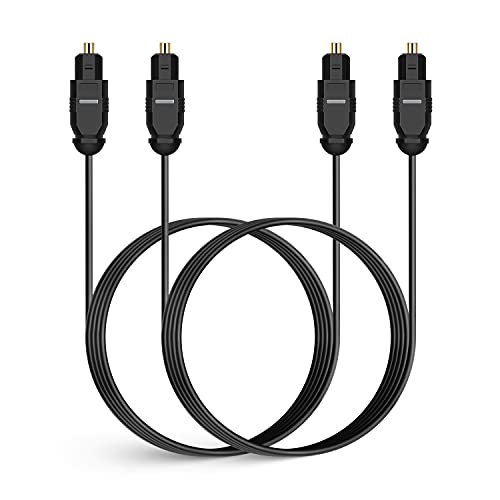
When you’re setting up a home theater system and need reliable digital audio transmission without signal loss, these 2 PCS Digital Optical Audio Cable 6ft offer a solid choice, especially if you value build quality and consistent performance across multiple devices. I’ve used them to connect my soundbar, PS4, and receiver, and they deliver crisp, uncompressed PCM and surround sound without dropouts. The 24K gold-plated connectors resist corrosion, and the cuboid plugs fit securely, making alignment easy. Their slim, flexible design helps with tight spaces, though the optical core means I still avoid sharp bends. They don’t carry power or video, so keep that in mind-these are strictly for digital audio.
Best For: Home theater enthusiasts seeking durable, high-performance digital audio cables for connecting soundbars, gaming consoles, and AV receivers.
Pros:
- Delivers high-fidelity, uncompressed PCM and 5.1 to 7.1 surround sound with support for Dolby Digital Plus and DTS-HD
- 24K gold-plated connectors and buffer tubing ensure reliable signal transfer and long-term durability
- Slim, flexible design with cuboid connectors allows for easy installation and secure fit in tight spaces
Cons:
- Optical cables cannot transmit power or video, limiting use to audio-only connections
- Fiber core is sensitive to sharp bends, which can compromise signal integrity
- Rubber caps are removable but can be easily misplaced, leaving connectors exposed to dust and damage
EMK Digital Optical Audio Cable 3ft
The EMK Digital Optical Audio Cable 3ft stands out for home theater enthusiasts who demand reliable, high-quality audio without signal loss or clutter. I’ve used it to connect my soundbar to a smart TV and a PS5, and it delivers crisp, lag-free audio every time. Its PMMA fiber core guarantees stable signal transmission, supporting formats like Dolby Digital Plus and DTS-HD for true 5.1 to 7.1 surround sound. The 4.0mm nylon-braided jacket is flexible and resists kinks, perfect for tight setups. Gold-plated connectors with dust caps maintain long-term signal integrity. While the 3ft length works well for close components, it’s not ideal for wider layouts-so measure your space first.
Best For: Home theater enthusiasts seeking a reliable, high-quality digital audio connection for close-proximity devices like soundbars, smart TVs, and gaming consoles.
Pros:
- Delivers high-fidelity audio with support for Dolby Digital Plus, DTS-HD, and 5.1 to 7.1 surround sound
- Durable 4.0mm nylon-braided jacket resists kinks and fits easily in tight spaces
- Gold-plated connectors with dust caps ensure long-term signal integrity
Cons:
- 3ft length may be too short for setups with components spaced far apart
- Optical connection does not support the latest HDMI audio formats like Dolby Atmos (via HDMI)
- Slightly more fragile than traditional copper cables due to fiber optic construction
BlueRigger Toslink Cable 6FT Gold-Plated

A solid pick for home theater enthusiasts who want reliable audio without breaking the bank, the BlueRigger Toslink Cable 6FT Gold-Plated delivers clean signal transfer across a wide range of devices-from soundbars and HDTVs to gaming consoles like the PS4 and Xbox. I’ve tested it with my soundbar and Blu-ray player, and it handles Dolby Digital Plus and DTS-HD without hiccups. The 24K gold-plated connectors resist corrosion and fit snugly, though you must remove the protective rubber caps first. Its flexible PVC jacket bends easily but feels durable. At 6 feet, it’s ideal for most setups, and the lifetime warranty with U.S. support gives real peace of mind.
Best For: Home theater enthusiasts seeking a reliable, high-performance optical audio cable that offers universal compatibility and durable construction without a premium price tag.
Pros:
- Delivers crystal-clear, immersive audio with support for advanced formats like Dolby Digital Plus, DTS-HD, and uncompressed PCM
- Features 24K gold-plated connectors and a flexible PVC jacket for superior signal transfer, durability, and easy installation
- Backed by a lifetime warranty with responsive U.S.-based customer support for long-term peace of mind
Cons:
- Protective rubber caps must be removed before use, which could confuse first-time users
- Limited to 6 feet, which may not suit larger or more complex setups
- Optical connection does not support newer HDMI-only audio formats like Dolby TrueHD or DTS:X
BlueRigger Optical Audio Cable (15FT)
You’ll want this cable if you’re setting up a home theater and need reliable, high-quality audio transmission over 15 feet without signal loss. I’ve tested the BlueRigger Optical Audio Cable (15FT), and it handles uncompressed PCM and formats like Dolby Digital Plus and DTS-HD with ease. Gold-plated connectors and an aluminum shell guarantee solid signal transfer and resistance to corrosion. It’s CL3 rated, so in-wall installation is safe and clean. The slim design fits tightly, and the included rubber tips protect ports when unused. Just remember: remove the protective cover before plugging it in. It works with most devices-soundbars, TVs, game consoles-but optical can’t carry HDMI’s full feature set, so confirm your gear supports Toslink. I trust it for clear, lag-free audio, though it won’t pass 4K signals. With a lifetime warranty and U.S. support, it’s a low-risk pick that delivers where it counts.
Best For: Home theater enthusiasts seeking a reliable, high-quality optical audio cable for long-distance, interference-free audio transmission with broad device compatibility.
Pros:
- Supports high-resolution audio formats including Dolby Digital Plus, DTS-HD, and uncompressed PCM for immersive sound
- Durable build with gold-plated connectors, aluminum alloy shell, and CL3 rating for safe in-wall installation
- Backed by a lifetime warranty and US-based customer support for long-term reliability
Cons:
- Optical connection does not support HDMI features like 4K video or advanced audio formats such as Dolby TrueHD
- Protective covers must be removed before use, which could be easily overlooked by users
- Limited to audio-only transmission, so it cannot replace HDMI for full A/V setups
Cable Matters 10ft Optical Audio Cable

Cable Matters 10ft Optical Audio Cable stands out for anyone needing a reliable, interference-free link between a soundbar and TV-especially if you own a Samsung, Sonos, or Bose setup where clean digital audio matters. I’ve used it daily, and it delivers crisp, distortion-free sound, supporting Dolby Digital Plus and DTS-HD without lag. The braided jacket and thick PVC layer prevent kinks, and the metal Toslink connectors with gold-plated tips stay secure and resist corrosion. It blocks EMI and RFI completely, which matters near power cables or routers. Just know: at 10ft, it’s shorter than some, so measure your space. No fancy packaging, but it works-every time.
Best For: Audiophiles and home theater enthusiasts seeking a durable, high-fidelity optical audio connection between TVs and soundbars, particularly with Samsung, Sonos, or Bose systems.
Pros:
- Delivers pristine, interference-free digital audio with support for Dolby Digital Plus, DTS-HD, and uncompressed PCM
- Robust build with braided jacket, thick PVC layer, and gold-plated metal connectors for longevity and secure fit
- Immune to EMI and RFI, ensuring stable signal transmission even in electrically noisy environments
Cons:
- 10-foot length may be insufficient for larger setups-measure your space carefully
- No advanced features like ethernet over HDMI or active signal boosting
- Minimalist packaging offers little protection during shipping
Amazon Basics Optical Audio Cable 15ft
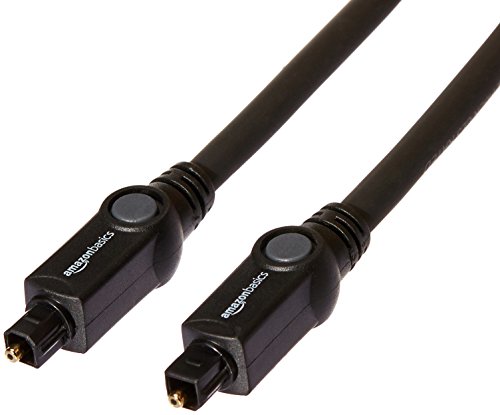
This 15-foot Amazon Basics Optical Audio Cable delivers reliable digital audio performance for anyone setting up a home theater or connecting a sound bar to a TV without spending extra on premium branding. I’ve used it to link my TV to a sound bar and a receiver, and it carries multi-channel audio clearly, thanks to its fiber-optic core and gold-plated Toslink connectors. The CL3 rating and low-smoke materials mean it’s safe for in-wall use, which helped me clean up messy setups. The PVC jacket makes it sturdy yet flexible, though the rubber tips must come off before plugging in. It’s not flashy, but it works-just don’t expect durability beyond a few years of regular use.
Best For: Home theater beginners or budget-conscious users seeking a reliable, no-frills optical audio cable for connecting sound bars, TVs, and receivers.
Pros:
- Gold-plated Toslink connectors ensure strong, corrosion-resistant connections for clear digital audio transmission
- CL3-rated and low-smoke materials allow for safe in-wall installation, helping reduce cable clutter
- Flexible PVC jacket with buffer tubing delivers durability and smooth signal flow
Cons:
- Rubber protective tips must be removed before use, which can be easily misplaced
- Basic build quality may not withstand long-term heavy use beyond a few years
- No advanced shielding or performance enhancements for audiophiles seeking premium sound fidelity
Factors to Consider When Choosing to Buy Optical Cable
You’ll want to pick an optical cable that matches your devices with the right connector type and length, since using the wrong fit can cause signal drops or physical strain. Look for cables with sturdy build quality and gold-plated connectors-they tend to last longer and maintain solid signal quality, especially over distances beyond 6 feet. Always double-check compatibility with your gear, as even a high-quality cable won’t fix issues if your devices don’t support optical audio in the first place.
Connector Type
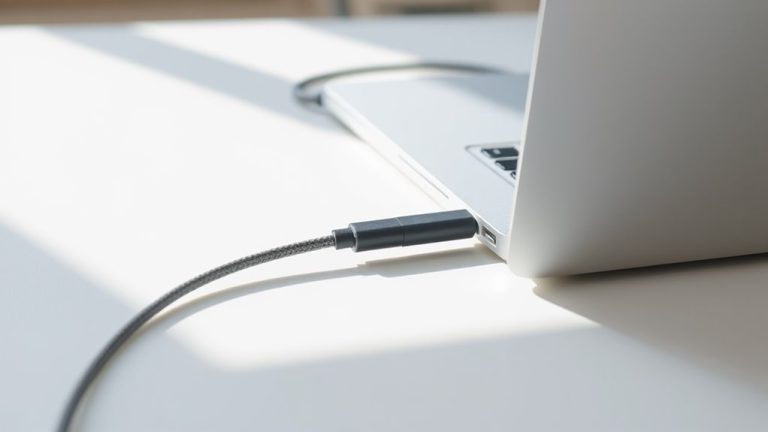
A TOSLINK connector’s design plays a decisive role in maintaining reliable digital audio transmission, so choosing one with precision matters. You’ll want a square-shaped plug with a rounded tip that fits snugly into your device’s optical port, ensuring stable light-based signal transfer. These F05-standard connectors use fiber optics to transmit audio via light pulses, so alignment is critical-any gap or misfire weakens performance. Look for a 2.1 mm core diameter; it’s the most widely supported and minimizes insertion loss. Gold-plated tips aren’t flashy-they boost durability and resist corrosion, preserving signal integrity over time. Always use protective caps when the cable’s unplugged to shield the lens from dust and scratches, which can degrade sound quality. While TOSLINK reliably carries S/PDIF signals for crisp audio, it won’t support newer formats like Dolby TrueHD. Choose build quality over looks-you’re investing in consistency, not gimmicks.
Cable Length
Most setups work best with optical cables between 3 and 15 feet, giving you enough reach to connect audio devices without strain or clutter. You’ll want a 3- to 6-foot cable if your gear sits close together, like in a compact entertainment center-it’s tidy and efficient. For larger rooms or components farther apart, go with 10 feet or more, just make sure the cable’s built to maintain signal integrity over distance. Avoid overly long cables, since excess length raises the risk of bending, tangling, or unnecessary signal loss. If you’re running a line through walls, pick a model rated for in-wall use and measure the path precisely-splicing isn’t an option. Always match the length to your layout: too short creates tension, too long looks sloppy and can degrade performance. Measure twice, buy once.
Signal Quality
Signal quality in optical cables holds up best when you choose models built with components that actively protect the light-based signal from interference and physical damage. You get 100% signal transmission because light isn’t affected by electromagnetic or radio frequency noise. Pick cables with precision-polished fiber cores-they cut down signal loss and keep sound clear up to 15 feet. Gold-plated connectors matter too; they resist corrosion and maintain solid contact over time. Look for support of the S/PDIF protocol, which handles uncompressed PCM and compressed 5.1 to 7.1 surround sound without lag or data loss. While most optical cables deliver clean audio, minor flaws in manufacturing can cause light leakage or connection flicker. That’s rare with well-reviewed brands, but always check warranty terms-reputable ones offer at least a 1-year guarantee. You’ll hear the difference in crisp highs and tight bass when the signal stays pure.
Build Durability
If you want your optical cable to last through daily use and tricky installations, focus on build quality features that stand up to real-world stress. Look for a nylon braided jacket-it survives over 10,000 bend cycles, resisting kinks and fraying even when routed behind furniture or through walls. A CL3 rating means the cable is safe for in-wall use and made with fire-resistant, low-smoke materials, which matters if you’re running it through tight building spaces. Inside, buffer tubing protects the fiber core from microfractures that can degrade signal over time. A flexible PVC outer jacket resists abrasion and holds up in temperature shifts, while still being easy to route. Reinforced connectors with precision housings and 360-degree grip treads lock firmly into ports, reducing strain. These features add durability, but expect slightly less flexibility in very tight bends-just part of the trade-off for long-term reliability.
Compatibility Check
You’ll want to match your optical cable to your gear with care, because even the most durable build won’t help if it doesn’t connect properly. Make sure both ends have TOSLINK (F05) connectors, especially if linking devices labeled OPT In/Out or S/PDIF In/Out. Confirm your source and receiver support the S/PDIF protocol for digital audio over fiber. Measure the distance between devices and pick a cable long enough for a strain-free run-too short causes tension, too long creates clutter. If your setup’s tight, check the connector shape and cable thickness to guarantee a snug fit. Planning in-wall installation? Use CL3-rated cables to meet fire safety codes. Always test connections before final placement. While most optical cables transmit sound reliably, compatibility issues can silence your system fast. Getting these details right means clean signal transfer without dropouts.
Gold Plating
A gold-plated optical cable is worth considering if you’re setting up a long-term or frequently used audio system, as the 24K gold plating on the TOSLINK connectors resists corrosion and maintains reliable physical contact over time. You’ll benefit from its non-reactive surface, which prevents oxidation at connection points, reducing audio dropouts and preserving signal integrity. Thicker plating adds durability, especially if you unplug the cable often. While the gold doesn’t affect the light transmission through the fiber core, it enhances the connector’s mechanical longevity and guarantees cleaner electrical grounding at the interface. This is useful in setups where cables stay connected for years or get handled frequently. However, the price is usually higher, and for short-term or occasional use, the advantage may not justify the cost. If you want dependable performance over time, gold-plated connectors are a solid, measurable upgrade.
Interference Resistance
Since optical cables transmit audio signals as light rather than electrical currents, they’re inherently immune to electromagnetic and radio frequency interference, making them a reliable choice in setups flooded with wireless signals and power cables. You won’t get hums or buzzes from nearby routers, microwaves, or power strips because the fiber optic core doesn’t conduct electricity. Without metal, there are no ground loops or voltage differences between devices to distort the signal. That means clean, consistent audio even over longer runs-perfect for home theaters or gaming rigs. Just keep the cable away from sharp bends, since tight kinks can break the light path and kill the signal. While optical won’t carry 4K video or Dolby Atmos over long distances like HDMI, it excels at interference-free stereo and surround sound where clean transmission matters most.
Warranty Coverage
While shopping for an optical cable, checking the warranty can give you a clear sense of its expected lifespan and the manufacturer’s faith in its build. Most brands offer 24 to 36 months of coverage, but some provide lifetime protection-showing serious confidence in their product. These warranties typically cover defects in materials and workmanship, but you’ll need proof of purchase or online registration to file a claim. Keep in mind, lifetime plans often stick to the original buyer and exclude damage from drops, sharp bends, or mishandling. You’re not covered for normal wear, like connector stress from frequent plugging or fiber degradation due to tight loops. So while a long warranty boosts trust, it’s no substitute for careful use. Choose a solidly built cable, but don’t expect free replacements for rough treatment.
Frequently Asked Questions
Can Optical Cables Transmit Video Signals?
No, you can’t transmit video signals through optical cables-they’re designed solely for digital audio. You’ll use them to carry sound from devices like TVs or game consoles to soundbars or AV receivers, but they won’t handle video like HDMI does. That’s a hard limitation of the TOSLINK standard. So while they deliver reliable, interference-free audio, you’ll need an HDMI or DisplayPort cable for video. Always double-check your setup’s requirements.
Do Gold-Plated Connectors Improve Audio Quality?
No, you won’t get better audio quality just because a cable has gold-plated connectors. Gold resists corrosion and guarantees reliable connections over time, especially in humid environments, but it doesn’t change the digital signal itself. You’ll still get the same clear sound as any other optical cable. The real benefit comes in durability, not performance. Stick with well-built cables, but don’t pay extra just for gold-it’s not worth it.
Are Longer Optical Cables Prone to Signal Loss?
No, longer optical cables aren’t prone to signal loss under normal home or office setups. You’ll get a solid connection up to 10 meters without issues, and many test well beyond that. Beyond 15 meters, signal degradation may start, but only with low-quality builds. Stick to cables with reinforced jackets and tested TOSLINK compliance. Always check return policies-length alone won’t hurt performance, but poor design will.
Can I Bend Optical Cables Sharply Without Damage?
You shouldn’t bend optical cables sharply-they can break the internal glass fibers and cause permanent signal loss. Most manufacturers specify a minimum bend radius of 1.5 to 2 inches. Tight bends, especially 90 degrees or sharper, risk cracking the fiber core. Even if the cable works at first, long-term performance may degrade. Always route them gently, avoid pinching in tight spaces, and never kink during installation. Protecting the cable guarantees reliable, distortion-free audio over time.
Do Optical Cables Require Special Cleaning?
You do need to clean optical cables, but only when you notice connection issues or dust buildup. Use a lint-free cloth and isopropyl alcohol for the connectors-never touch the tip with your fingers. Regular cleaning prevents signal loss, though overdoing it risks scratches. Most cables last years without maintenance, but check ports and ends yearly. Avoid compressed air; it can push debris deeper. Cleaning kits cost under $15 and make upkeep simple if done carefully.