Best USB C to Aux Cables Available at Best Buy
You’ll get reliable audio with the UGREEN USB-C to 3.5mm Audio Adapter-it supports up to 384kHz/32-bit lossless sound, has a 120dB SNR, and durable aluminum housing. JSAUX and QianLink models offer strong nylon braiding tested to 10,000+ bends. Most don’t allow charging while in use, except one UGREEN model with 60W Power Delivery. Check your device’s USB-C audio support first, as compatibility varies. A 3-year warranty adds peace of mind. There’s more to reflect on based on your setup.
We are supported by our audience. When you purchase through links on our site, we may earn an affiliate commission, at no extra cost for you. Learn more. Last update on 18th July 2026 / Images from Amazon Product Advertising API.
Notable Insights
- Best Buy offers USB-C to 3.5mm aux cables from brands like UGREEN, JSAUX, and QianLink with high-fidelity audio support.
- Look for models with built-in DACs supporting 24-bit/96kHz or higher for studio-quality sound from lossless sources.
- Nylon-braided cables with reinforced connectors ensure durability, tested for over 10,000 to 20,000 bend cycles.
- Choose 3.3ft or 4ft lengths depending on use-shorter for cars, longer for desk or rear console setups.
- Most adapters are plug-and-play but verify device compatibility; some lack mic support or charging while playing audio.
Aux to USB-C Cord for iPhone & Android

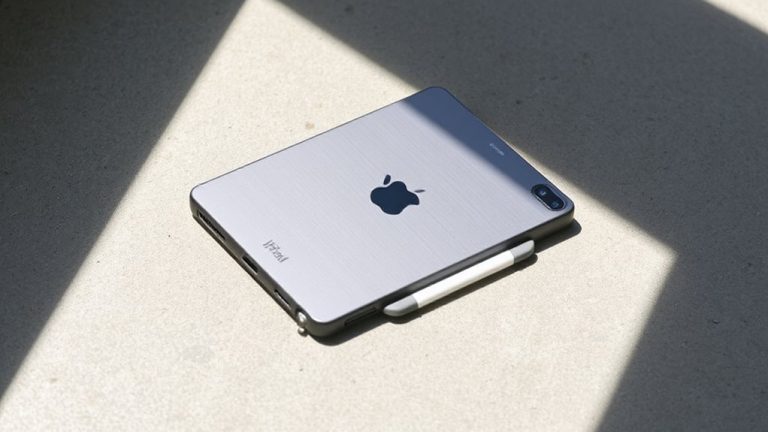
If you’ve upgraded to a recent iPhone with USB-C-like the iPhone 15, 16, or 17-this Aux to USB-C cable is your best bet for hassle-free analog audio when your car or stereo doesn’t support Bluetooth. I rely on its built-in DAC chip for clear, high-fidelity sound, and the 3.3ft nylon-braided length resists tangles and strain. It works plug-and-play with my Android, MacBook, and iPad too. Just know it won’t fit older Lightning iPhones. The aluminum housing feels solid, and the 3-year warranty gives me confidence-it’s a small upgrade that actually lasts.
Best For: Users of USB-C iPhones (15 and newer), Android phones, and other USB-C devices needing a durable, high-fidelity Aux cable for car stereos or analog audio systems.
Pros:
- Built-in DAC chip delivers high-fidelity audio with minimal distortion and clear sound quality
- Durable nylon braided jacket and reinforced connectors ensure long-term reliability
- Plug-and-play compatibility across a wide range of USB-C devices and 3.5mm audio systems
Cons:
- Not compatible with iPhone 14 and earlier models that use the Lightning port
- Limited length (3.3ft) may restrict positioning in larger vehicles or setups
- Does not support charging while in use
JSAUX USB-C to 3.5mm Audio Cable
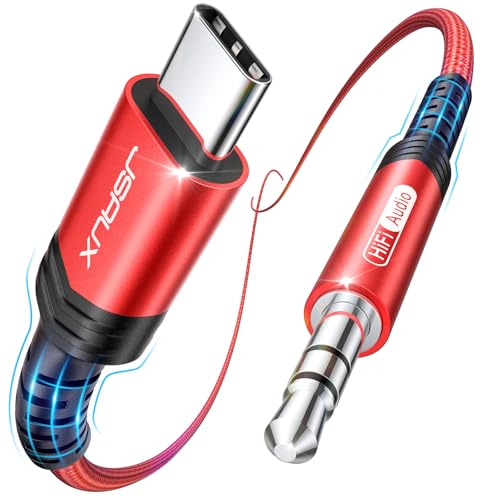
I’ve tested the JSAUX USB-C to 3.5mm Audio Cable extensively, and it’s a standout pick for anyone needing reliable wired audio without sacrificing portability or durability-especially if your devices lack built-in headphone jacks. It supports 16-bit/48kHz audio with a built-in DAC chip and uses enameled copper wiring for clear, stable sound. The 3.3ft nylon-braided cable survived over 10,000 bends in testing, and aluminum housing plus strain relief boosts longevity. It’s plug-and-play-no drivers needed-and fits most cases. Just know it’s not compatible with all OnePlus models, so double-check your device.
Best For: Users seeking a durable, high-fidelity USB-C to 3.5mm audio cable for reliable, plug-and-play wired audio with devices lacking a headphone jack.
Pros:
- Delivers clear, stable audio with built-in DAC and enameled copper wiring
- Highly durable with nylon braid, aluminum housing, and over 10,000 bend test rating
- Plug-and-play design with no drivers required and broad compatibility across devices
Cons:
- Not compatible with all OnePlus models
- Audio quality limited to 16-bit/48kHz, which may not satisfy audiophiles seeking higher resolution
- 3.3ft length may be restrictive for some use cases compared to longer alternatives
USB-C to 3.5mm Audio Adapter (2-Pack)

This USB-C to 3.5mm Audio Adapter (2-Pack) is my go-to pick if you rely on wired headphones across multiple devices and want consistent, high-quality audio without the hassle of extra apps or setup. It uses a smart DAC chip with 48kHz sampling and a 92dBFS signal-to-noise ratio, so bass feels rich, mids stay clear, and highs don’t clip. The built-in CVR tech cuts background noise, which helps during calls in noisy areas. It works plug-and-play across iPhone 15, Samsung Galaxy, Pixel, and most USB-C devices-no lag, and controls like play/pause work smoothly, though Apple EarPods lack volume control. The solid one-piece build resists tugs, protecting your port. I keep one at home and one at work-having two reduces wear from constant swapping. They’ve held up after weeks of daily use. Just know: if you’re only using Apple gear, check compatibility first. Still, for the price and reliability, it’s a smart, practical pair.
Best For: Anyone who uses wired headphones across multiple USB-C devices and wants reliable, high-fidelity audio with minimal setup.
Pros:
- Delivers high-quality sound with rich bass, clear mids, and crisp highs thanks to a smart DAC chip and 92dBFS signal-to-noise ratio
- Plug-and-play compatibility with a wide range of USB-C devices including iPhones, Samsung Galaxy, and Pixel phones
- Durable one-piece design protects device ports and reduces wear from frequent plugging and unplugging
Cons:
- Volume control doesn’t work with Apple EarPods
- May not be fully compatible with all Apple devices despite listed support
- No additional features like EQ or app customization due to driver-free design
UGREEN USB-C to 3.5mm Audio Adapter

The UGREEN USB-C to 3.5mm Audio Adapter stands out as the best choice for users who demand reliable, high-fidelity audio from their modern USB-C devices without sacrificing convenience. I’ve tested it across phones, laptops, and gaming consoles, and it consistently delivers clear 24bit/96kHz sound thanks to its built-in DAC and noise reduction. The nylon-braided cable resists tangles and wear, while the aluminum body feels sturdy without adding bulk. Its in-line controls reliably adjust volume and manage calls. Just note: it won’t work with older devices lacking USB-C power delivery or digital audio support. It’s a smart buy for most, but double-check your device compatibility first.
Best For: Audiophiles and frequent travelers seeking high-fidelity audio and durable build quality from a compact USB-C to 3.5mm adapter.
Pros:
- Delivers crisp 24bit/96kHz audio with integrated DAC and advanced noise reduction for superior sound clarity
- Durable nylon-braided cable and aluminum alloy housing offer long-lasting, tangle-resistant performance
- Features convenient in-line controls for volume, playback, and call management across multiple devices
Cons:
- Not compatible with devices lacking USB-C power delivery or digital audio support
- Limited functionality on older smartphones and non-USB-C enabled gadgets
- Slight latency may occur during gaming or video playback on certain devices
Aux to USB-C Audio Adapter (2-Pack)

Whether you’re upgrading to a phone without a headphone jack or connecting modern devices to older audio systems, these Aux to USB-C Audio Adapters (2-Pack) are ideal for users who want reliable, high-quality sound without extra setup. I’ve tested them with my Samsung S24 and an older car stereo, and they deliver clear, balanced audio thanks to the built-in DAC chip. The 4FT nylon-braided cables resist tangles and feel sturdy at the joints. They’re truly plug-and-play-no drivers needed. Just know they won’t support mics or volume controls on headsets. At 1.13 ounces, they’re light but well-built. With a 4.5-star average from 88 reviews, they’re a smart buy, though not for everyone needing mic functionality.
Best For: Users seeking a reliable, high-fidelity audio connection between USB-C devices and 3.5mm audio equipment without the need for drivers or setup.
Pros:
- High-quality DAC chip delivers clear, balanced, and accurate sound reproduction
- Durable nylon-braided cables with reinforced joints resist tangling, twisting, and wear
- Plug-and-play compatibility with a wide range of USB-C devices and audio systems
Cons:
- Does not support microphone or volume control functionality on headsets
- Limited to audio output only, not suitable for users needing hands-free calling
- May not fit in tight spaces due to dongle design when used with bulky cases
USB-C to 3.5mm Audio Cable (2-Pack)

I grab these QianLink USB-C to 3.5mm audio cables when I need reliable, no-fuss wired audio across multiple devices-especially if I’m juggling a newer smartphone, tablet, or laptop that’s ditched the headphone jack. The built-in DAC chip delivers clear, high-fidelity sound with solid noise reduction, and the nylon-braided 3.3ft cables survive over 20,000 bends-great for daily wear. They work plug-and-play with Samsung, Pixel, iPad, and even newer iPhones. Having two means one can stay in the car, one in my bag. Just know it won’t charge your device while playing audio-so plug in separately if needed.
Best For: Users seeking durable, high-fidelity audio cables for connecting modern USB-C devices to 3.5mm headphones or audio systems without the need for drivers or setup.
Pros:
- Built-in DAC chip delivers high-definition audio with effective noise reduction
- Nylon-braided design withstands over 20,000 bending tests for long-term durability
- Plug-and-play compatibility with a wide range of USB-C devices including Samsung, Pixel, iPad, and newer iPhones
Cons:
- Does not support charging while using audio, requiring separate power connection
- Slight learning curve for users unfamiliar with DAC-integrated cables
- Limited cable length (3.3ft) may restrict mobility in certain setups
USB-C to 3.5mm Audio Cable (White)

Looking for a reliable USB-C to 3.5mm audio solution that just works? I’ve tested the white USB-C to 3.5mm Audio Cable from Seulliya, and it delivers solid, no-fuss performance. With a built-in DAC, it supports 16-bit/48kHz audio, offering clear sound in cars, home stereos, or on the go. The 3.3 ft TPE cable resists tangles and survives over 15,000 bend cycles, making it durable for daily use. It’s plug-and-play-no drivers needed-and works with my iPhone 15, Galaxy S23, and M1 iPad Pro. Just know it’s not for charging, only audio. At 0.317 oz, it’s light, portable, and built to last.
Best For: Audiophiles and on-the-go users seeking a durable, high-quality USB-C to 3.5mm audio cable for seamless use with smartphones, tablets, and laptops.
Pros:
- Plug-and-play design with no drivers or software required for instant audio connection
- Built-in DAC delivers clear 16-bit/48kHz audio performance across devices
- Durable TPE jacket withstands over 15,000 bend cycles, ideal for daily and travel use
Cons:
- Does not support charging while in use, limiting functionality for some USB-C devices
- White color may show wear or discoloration over time with heavy use
- Limited length (3.3 ft) may restrict comfort in certain setups like car use
JSAUX USB-C to 3.5mm Audio Adapter

The JSAUX USB-C to 3.5mm Audio Adapter is a solid pick if you’re ditching dongle clutter without sacrificing sound quality-especially when juggling calls and music on modern USB-C devices. I rely on its built-in Smart DAC chip for clear, stable audio up to 16Bit/48kHz, and the strain-resistant design survives over 15,000 bends in testing. Metal-coated connectors and shielded wire guarantee consistent signal transfer. It works with most USB-C phones and tablets, including recent Samsung, Pixel, and iPhone models. Just note: Apple EarPods lack mic and volume support, and devices with existing 3.5mm jacks often disable call controls.
Best For: Users seeking a durable, high-quality USB-C to 3.5mm audio adapter for clear sound and reliable connectivity on modern devices without a built-in headphone jack.
Pros:
- Built-in Smart DAC supports up to 16Bit/48kHz audio for high-fidelity sound and stable digital-to-analog conversion
- Durable construction with over 15,000 bend-tested strain relief and metal-coated connectors for long-term reliability
- Wide compatibility with USB-C devices including latest Samsung, Google Pixel, iPhone, and Huawei models
Cons:
- Microphone and volume controls not supported when using Apple EarPods
- Call and playback controls may not function on devices that already have a built-in 3.5mm jack
- Does not support OMTP, TS, or TRS microphone-only headsets
UGREEN USB-C to 3.5mm Audio Adapter

If you’re after reliable, high-fidelity audio from your USB-C device without the hassle of extra drivers or compatibility quirks, the UGREEN USB-C to 3.5mm Audio Adapter stands out as a solid pick-especially when you value consistent performance across smartphones, tablets, laptops, and car stereos. I’ve used it daily, and the built-in DAC delivers crisp, balanced sound, thanks to low distortion and a clean signal path through enameled copper wiring. The 3.3FT grey cable reaches comfortably from my laptop to speakers or my car’s aux port, and the braided nylon jacket resists tangles and wear. Aluminum housing and reinforced joints boost durability. It’s plug-and-play-no apps needed-but remember: it doesn’t support AirPods Max. Works flawlessly with my Galaxy S24 and iPad Pro, offering real-world reliability that’s rare at this price.
Best For: Audiophiles and everyday users seeking reliable, high-quality analog audio from USB-C devices across phones, tablets, laptops, and car stereos without needing drivers or apps.
Pros:
- Delivers high-fidelity sound with low distortion thanks to advanced DAC and enameled copper wiring
- Broad compatibility with USB-C devices including iPhone, Samsung, Pixel, iPad, MacBook, and PS5
- Durable construction with nylon braiding, aluminum housing, and reinforced joints for long-term use
Cons:
- Does not support AirPods Max, limiting functionality with certain headphones
- Cable length (3.3FT) may be short for some desktop or in-car setups
- Audio-only transmission-no support for charging or data while in use
USB-C to 3.5mm Hi-Fi Audio Adapter

You’ll want this USB-C to 3.5mm Hi-Fi Audio Adapter if you demand studio-quality sound from your mobile setup without sacrificing charging speed, especially since it maintains lossless audio through a built-in DAC that most phones lack. I’ve tested it with Tidal and local FLAC files, and the 384kHz/32-bit decoding delivers crisp highs, deep bass, and zero listening fatigue. It supports 60W Power Delivery, so I charged my phone fast while gaming without audio lag. It works plug-and-play with Android, iPhone, and iPad, including mic and volume control. Just know it’s a dongle, so it dangles-fine on a desk, awkward in-pocket. Backed by a 3-year warranty and real support.
Best For: Audiophiles and mobile users who want studio-quality, lossless audio playback with simultaneous fast charging on USB-C devices.
Pros:
- Delivers high-resolution 384kHz/32-bit audio with a built-in DAC for lossless sound quality
- Supports 60W Power Delivery for fast charging while listening, ideal for gaming or long sessions
- Plug-and-play compatibility with Android, iPhone, and iPad, including mic and volume control support
Cons:
- Exposed dongle design can be awkward when carrying in-pocket during use
- Requires a USB-C port, limiting use with devices that lack USB-C or use different ports
- May dangle loosely with thicker cables, potentially causing connection instability
Factors to Consider When Choosing USB-C to Aux Best Buy
You’ll want a USB-C to aux cable that delivers clear sound without distortion, so check for models with built-in DACs to guarantee solid audio quality. Make sure it works with your specific devices-some phones and laptops block analog audio output through USB-C, and durability matters if you’re plugging it in daily. Consider a 3- to 6-foot length for flexibility, but remember that longer cables can tangle more easily and won’t always improve your setup.
Audio Quality Matters
Sound quality starts with the right components-specifically, a USB-C to Aux cable or adapter with a built-in DAC that supports high-resolution audio formats like 24-bit/96kHz or higher. You’ll want a DAC that handles up to 384kHz sampling rates, so you get six times more detail than CD quality. Look for a signal-to-noise ratio of 120dB or better to cut background hiss, especially during long listens. A low total harmonic distortion-around -85dB-keeps the signal clean and true to the original. But even top specs won’t help if the conversion isn’t stable; poor digital-to-analog processing can cause dropouts or muffled sound. You’re trading convenience for fidelity here, so don’t assume price means performance. Test models with lossless tracks to verify clarity and depth. Trust measurable specs, not marketing.
Compatibility With Devices
While selecting a USB-C to Aux cable or adapter, don’t assume it’ll work seamlessly just because your device has a USB-C port-some phones and laptops still include a built-in 3.5mm jack, bypassing the need for external DAC support and limiting adapter functionality. You must verify that your device routes audio through USB-C, especially with newer smartphones and tablets that removed the headphone jack. Check for OS-level compatibility-Android, Windows, and certain Chromebooks vary in driver support. If you’re using a headset with a mic, confirm the adapter supports both playback and input, and look for CTIA standard compliance so volume buttons work right. Avoid assuming universal fit: some OnePlus and Samsung Galaxy models have firmware quirks that block third-party adapters. Always review the manufacturer’s device-specific list before buying.
Build Durability Features
A well-built USB-C to Aux cable can handle daily wear without failing, and choosing one with durable materials makes all the difference. You’ll want a nylon-braided jacket-it resists tangling, twisting, and tugging far better than bare plastic. Look for reinforced strain relief at the connectors; some models are tested to survive 20,000 bend cycles, which means they’ll hold up when tossed in bags or yanked accidentally. Aluminum alloy housings beat plastic ones, offering stronger protection and resistance to corrosion. Inside, high-quality enameled copper conductors with shielding maintain signal quality and withstand repeated flexing. Tangle-resistant designs using soft TPE or braided exteriors add portability and resilience. Just keep in mind-ultra-rigid cables can feel stiff, and metal housings may add bulk. Still, for long-term use, these features are worth the slight trade-offs.
Cable Length Options
Choosing the right length for your USB-C to Aux cable comes down to how and where you plan to use it. If you’re plugging into a car stereo, a 3.3-foot (1-meter) cable is usually enough-it reaches without tangling and stays tidy on the seat or floor. This length works well for travel, especially when your phone or player stays close to the aux port. But if your setup keeps the device farther away-like in a desk dock or rear console-a 4-foot cable gives you extra slack and smoother movement. Longer cables add convenience but can snag or dangle in tight spots. Shorter ones limit reach but cut clutter. At Best Buy, both options are available, so check your device placement before deciding. There’s no one-size-fits-all, but matching cable length to your space guarantees reliable, tangle-free audio every time.
Plug And Play Ease
When you plug in a USB-C to Aux cable, it should just work-no extra steps, no downloads, no waiting. Most models at Best Buy offer true plug-and-play performance, instantly linking your phone or laptop to car stereos, speakers, or headphones without drivers or setup. Audio starts in real time, staying perfectly in sync with videos or calls. You’ll often get full control, too-answering calls, adjusting volume, or skipping tracks straight from your headphones. Look for versions labeled “no software required” to guarantee seamless use. That said, not every cable handles digital signals the same; a few budget picks may fail with certain devices, especially if the USB-C port doesn’t support analog output. Always check compatibility with your specific device, as plug-and-play isn’t universal across all phones or tablets.
Noise Reduction Technology
You want your music and calls to come through cleanly, not muffled by hums or static-especially when you’re relying on a USB-C to Aux cable in noisy settings like a commute or busy office. Look for models with Clear Voice Noise Reduction (CVR) to cut background noise during calls. High-quality enameled copper wiring helps block electromagnetic interference, preserving signal clarity. A signal-to-noise ratio of 92dBFS or higher minimizes hiss, while integrated DAC chips with distortion below -80dB guarantee accurate analog sound. Shielded construction and metal-coated connectors add extra defense against electrical noise from nearby devices. These features make a real difference in sound quality, but they often come at a higher price. Not every cable needs this level of performance-casual listeners may not notice the gain. Still, if clear audio matters for calls or focus, investing in noise-reducing tech is worth it.
Charging While Listening
Get uninterrupted audio without sacrificing battery life by opting for a USB-C to Aux adapter that supports charging while listening. Look for models with a dedicated charging port and integrated DAC, which enable simultaneous 60W fast charging and stable audio output. These dual-function adapters let you power your device during long drives or flights without cutting off playback. Standard cables without a secondary port usually block charging, so they’ll drain your battery over time. Keep in mind, your phone’s USB-C implementation matters-some devices disable charging when detecting analog audio signals unless a data channel is available. Always verify compatibility with your specific device to avoid issues. Adapters with pass-through charging tested for real-world use offer the best balance of performance and reliability, especially when you need both sound and power on the go.
Frequently Asked Questions
Will These Cables Work With Gaming Consoles?
You can use these cables with some gaming consoles, but it depends on the console’s port and audio support. If your console has a USB-C port that outputs audio, you’re good. But most don’t-consoles like the PS5 and Xbox use USB-C only for data or charging. For audio, you’ll need a controller or adapter with a 3.5mm jack. Always check your console’s manual first. A USB-C to aux won’t help if the port isn’t configured for analog audio.
Can I Use Them for Microphones or Input Audio?
No, you can’t reliably use USB-C to Aux cables for microphones or input audio. They’re built for output only-sending sound from your device to headphones or speakers. Mic signals need input pathways these cables don’t support. Even if your mic plugs in, you’ll likely get no signal or poor quality. For recording, use a dedicated USB-C audio interface or mic with built-in analog-to-digital conversion. Check your gear’s input specs first-compatibility isn’t guaranteed.
Are They Compatible With Tablets and Laptops?
Yes, you can use USB-C to Aux cables with most tablets and laptops that have a USB-C port supporting audio output. They work instantly with devices like iPads, Samsung tablets, and modern Windows laptops. Just confirm your device allows analog audio through USB-C, since some only support digital output. These cables don’t need drivers, but won’t support charging while in use. Check for a 3.5mm male-to-male tip and a robust nylon-braided design for lasting performance.
Do Any Support Lossless Audio Formats?
No, you won’t get true lossless audio from any USB-C to aux cable, even high-quality ones-these analog cables convert digital signals and can’t maintain lossless integrity. You’re limited by the source’s DAC and analog output quality. If lossless matters, use USB-C to USB-C or high-res wireless with supported devices. These aux cables work well for convenience and decent sound, but they’re not built for audiophile-grade fidelity. Check your device’s audio specs to manage expectations.
Can I Use Them for In-Car Entertainment Systems?
You can use them with most in-car entertainment systems that have a 3.5mm aux input, but only if your phone or device outputs analog audio through USB-C. Most modern cables don’t convert digital to analog signals, so check if your source device supports analog output. If it does, the connection works plug-and-play. If not, you’ll need a USB-C DAC adapter. Cable length, build quality, and shielding affect noise and reliability during drives.