How to Use Dust-Resistant Cable Looms in Pet-Friendly Workspaces
Use dust-resistant cable looms with 1.5–3mm braided nylon and a hydrophobic coating to reduce pet hair, dander, and dust buildup in your workspace. They last 2–3 years with a 1-year warranty but aren’t chew-proof, so install them out of reach using anchoring clips every 12–18 inches. While they resist abrasion and allow ventilation, they fray within a year under heavy pet traffic-placement matters just as much as material. Choose split looms for future access, and you’ll find smarter ways to balance protection and practicality.
Notable Insights
- Install dust-resistant cable looms under desks and along baseboards to shield cords from pet traffic and allergens.
- Choose tightly woven, hydrophobic looms with anti-static properties to reduce dust, dander, and hair accumulation.
- Use split looms for easy cable access and future additions without compromising dust protection.
- Secure looms every 12–18 inches with clips to prevent snagging and reduce strain from pet contact.
- Wipe down looms weekly with a dry microfiber cloth to maintain dust resistance and prolong lifespan.
Why Pet Owners Need Dust-Resistant Cable Looms
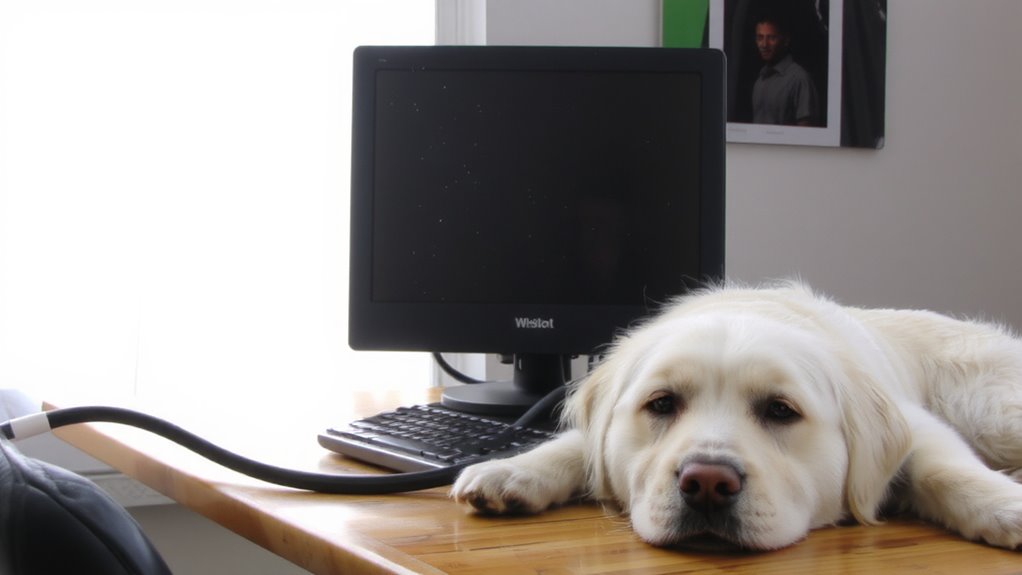
While regular cable management helps keep your workspace tidy, investing in dust-resistant cable looms becomes especially worthwhile if you share your home office with pets. You’re likely dealing with more fur and dander, which contribute to pet allergies and can cling to surfaces-especially if static buildup attracts them. These looms minimize that risk by using anti-static materials, reducing airborne allergens around your desk. They also resist dust accumulation better than standard sleeves, meaning less frequent cleaning. However, not all models are equal: look for tightly woven polyester with a hydrophobic coating, tested in homes with shedding breeds. Most last 2–3 years under daily use, backed by 1-year warranties. Still, they won’t eliminate allergens entirely-pair them with regular vacuuming and air purifiers. While they improve hygiene and cable longevity, they cost 20–30% more than basic options.
How Dust-Resistant Looms Protect Cables From Pet Damage
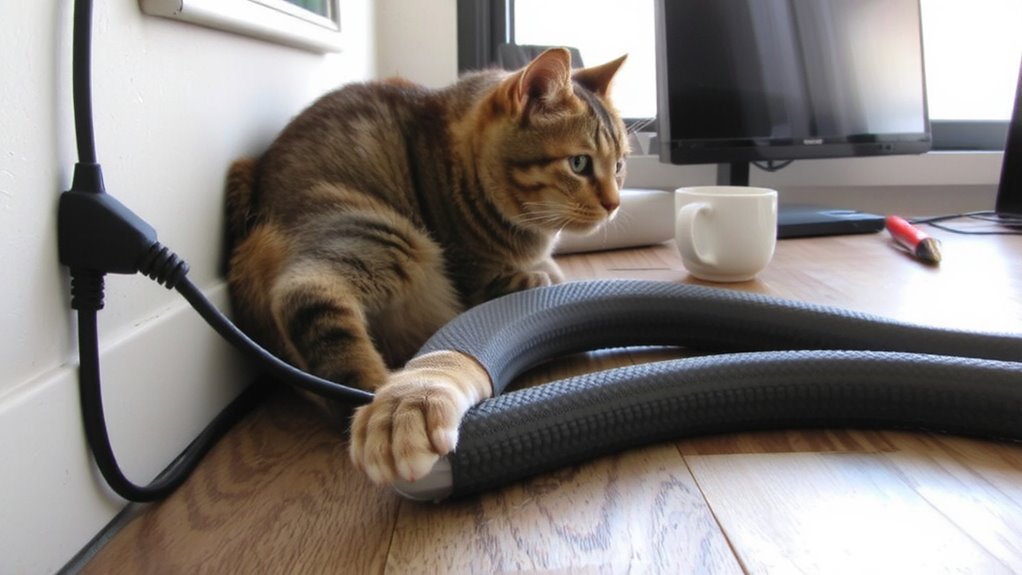
A dust-resistant cable loom isn’t just about cleanliness-it’s a smart defense against the wear pets can cause. By sealing cables inside a tight-weave sleeve, you shield them from claws, teeth, and constant brushing that leads to fraying. The loom’s material reduces static buildup, which in turn cuts dust attraction-helpful if you or your guests have pet allergies. Less dust means less grooming residue stuck to cords, reducing both mess and irritation. These looms won’t stop a determined chewer, so placement still matters-keep runs high or behind furniture. While they add some stiffness to cable routing, the trade-off is clear: longer-lasting tech and easier cleaning. Most quality looms offer at least a 2-year warranty and hold up well in real-world home office tests. Choose ones with braided nylon for durability, but expect to spend slightly more. Top cable management solutions like braided cable sleeves improve both safety and aesthetics in high-traffic workspaces.
Key Features of Dust-Resistant Looms for Pets
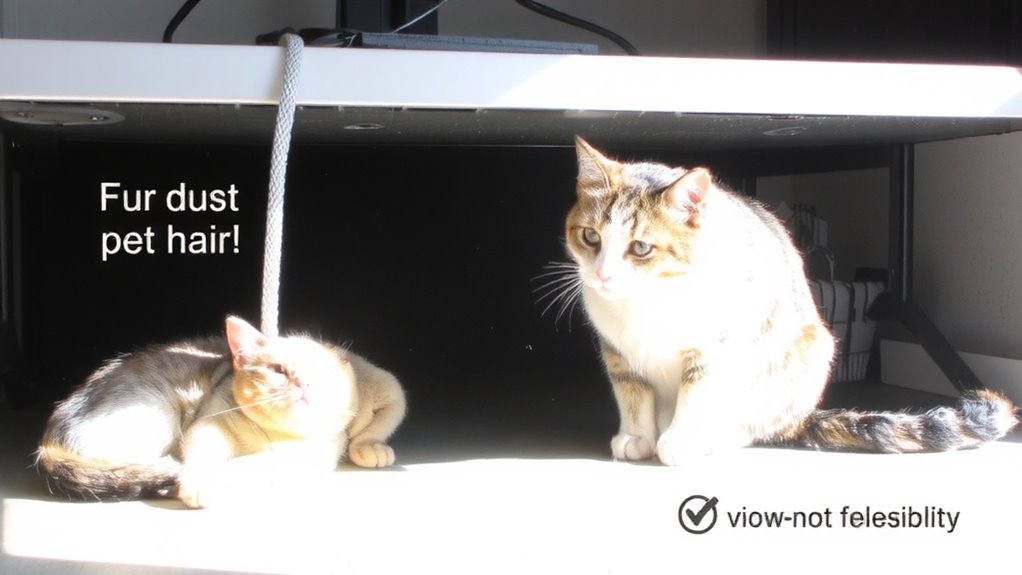
You’ll want a dust-resistant cable loom that combines braided nylon construction with a tight weave-typically 1.5 to 3mm-to block pet hair, dander, and dust from clinging to cables. This design delivers strong material durability, resisting pet chewing and clawing better than PVC or loose-weave alternatives. The snug braid also maintains ventilation efficiency, preventing cable overheating while still filtering airborne debris. Look for looms with double-layer braiding, which last longer but cost more and are less flexible. Standard widths-8 to 15mm-work for most home office setups, but consider split looms if you need to add cables later. Most top models come with a 12-month warranty and pass third-party abrasion tests. Just note: extremely thick looms can restrict airflow if over-stuffed, so avoid cramming in too many cables. These features strike a practical balance between protection and performance where pets and electronics coexist.
Install Looms in Pet High-Traffic Areas
Where do your cables get the most wear from paws and playful nudges? Likely near entryways, under desks, or beside pet beds-spotlight these high-traffic zones when installing dust-resistant cable looms. Use cable anchoring clips every 12–18 inches to keep looms secure and reduce strain. Reinforce edges with flexible pet barriers to guide animals away without blocking movement. Proper placement prevents snagging and extends loom life, especially with active dogs or cats. For optimal results, consider the clean desk aesthetics approach when routing and organizing cables to maintain both functionality and visual appeal.
| Area | Risk Level | Recommended Loom Type |
|---|---|---|
| Under Desk | High | Split weave, 16mm diameter |
| Along Baseboard | Medium | Spiral wrap, 12mm diameter |
| Behind Monitor | Low | Flat ribbon, adhesive-backed |
| Entryway | High | Braided nylon, 20mm |
| Near Pet Bed | Medium | Rubber-coated, 14mm |
Cable anchoring works best with surface-mounted clips; pet barriers should be non-toxic and low-profile.
Smart Cable Routing to Avoid Pet Access
Routing cables along less accessible paths keeps them out of reach from curious paws and teeth, building on secure installations in high-traffic zones. You should plan cable labeling carefully so adjustments stay simple, even when lines run behind desks or through walls. Pair this with clear pet zoning-designate areas pets can access, then route cords above or beneath those boundaries. Baseboard channels or ceiling-mounted conduits help, but they require drilling and may not suit rentals. While smart routing reduces chewing risks, it can complicate device access or create longer cable runs, increasing clutter if not managed. Dust-resistant looms still need secure anchoring to prevent tugging. Test your layout over a week: observe pet behavior and cable wear. Some systems offer 3-year warranties, but damage from animals often voids coverage. Plan thoughtfully-protection shouldn’t sacrifice usability. Top cable management solutions include options specifically designed for clean desk setups, making it easier to maintain order in shared spaces with pets.
Routing cables along less accessible paths keeps them out of reach from curious paws and teeth, building on secure installations in high-traffic zones. You should plan cable labeling carefully so adjustments stay simple, even when lines run behind desks or through walls. Pair this with clear pet zoning-designate areas pets can access, then route cords above or beneath those boundaries. Baseboard channels or ceiling-mounted conduits help, but they require drilling and may not suit rentals. While smart routing reduces chewing risks, it can complicate device access or create longer cable runs, increasing clutter if not managed. Dust-resistant looms still need secure anchoring to prevent tugging. Test your layout over a week: observe pet behavior and cable wear. Some systems offer 3-year warranties, but damage from animals often voids coverage. Plan thoughtfully-protection shouldn’t sacrifice usability. Top cable management solutions include options specifically designed for clean desk setups, making it easier to maintain order in shared spaces with pets. For optimal results, consider Top Cable Management Solutions that combine dust resistance with pet-safe routing features.
Keep Cable Looms Clean in Homes With Pets
How often do pet owners overlook the dust buildup in cable looms until it affects performance or aesthetics? You shouldn’t wait for visible grime or sneezing fits to act-regular cleaning protects both cable aesthetics and air quality. Dust-trapped looms worsen pet allergies by harboring dander and dirt, so maintenance matters even with dust-resistant designs. Wipe down surfaces monthly with a microfiber cloth, and unplug gear quarterly to clean hard-to-reach spots.
| Area | Tool | Frequency |
|---|---|---|
| Outer surface | Dry microfiber | Weekly |
| Connector gaps | Soft brush | Monthly |
| Under desk | Vacuum with nozzle | Quarterly |
While sealed looms reduce effort, they’re not self-cleaning. No product fully blocks allergens, so consistent upkeep is essential-especially in homes with shedding pets.
Braided Sleeves vs. Conduit Tunnels: Which Blocks Fur and Chew Damage Best?
What if the real weak spot in your pet-friendly workspace isn’t your cables-but how you’re protecting them? For blocking fur and chew damage, conduit tunnels win-hands down. Made from rigid PVC or reinforced nylon, they resist even determined chewing and keep dust and hair out completely. Braided sleeves, while flexible and great for hiding cables neatly, can still let in pet hair and aren’t chew-proof. That said, braided sleeves offer better material flexibility and aesthetic appeal, coming in colors and textures that blend with home decor. Conduits are bulkier and harder to reposition. Real-world tests show conduits last over two years with aggressive pets, often backed by 3-year warranties. Sleeves may fray in half that time. For homes with frequent pet traffic, go with conduit tunnels where protection matters most-use sleeves only in low-risk zones where looks and flexibility matter more.
On a final note
You should use dust-resistant cable looms in pet-friendly workspaces-they shield wires from fur, dust, and light chewing. Braided nylon sleeves work well for flexibility and airflow, while rigid conduit tunnels offer stronger bite resistance. Install them along baseboards or under desks, away from paw traffic. Check regularly for wear, especially near joints. Most quality looms last years, with 2–5-year warranties, but no solution beats active supervision and pet training.