Top Tablet Picks That Still Shine Years Later
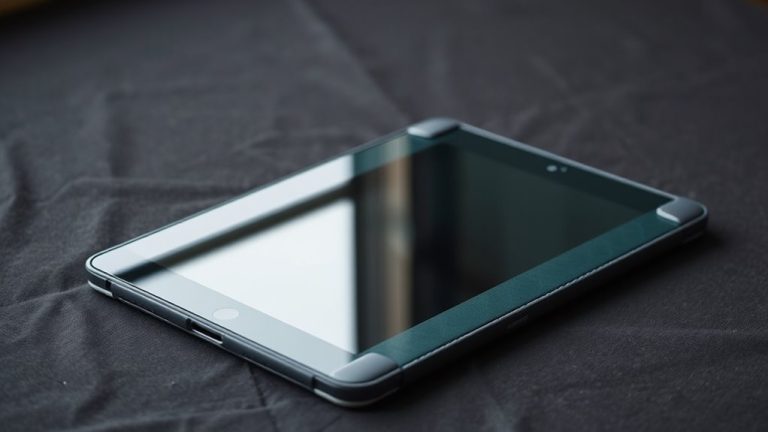
You get strong value from the Samsung Tab A7 Lite and Galaxy Tab S2, both offering reliable 10–12 hour batteries, clear displays, and enough power for daily apps. The Tab S2’s AMOLED screen and microSD support stand out, while the A7 Lite balances performance with affordability. Note: older Android versions mean limited updates. All come renewed with warranties-check grading for wear. You’ll see how each holds up over time.
We are supported by our audience. When you purchase through links on our site, we may earn an affiliate commission, at no extra cost for you. Learn more. Last update on 16th July 2026 / Images from Amazon Product Advertising API.
Notable Insights
- The Samsung Galaxy Tab S2 9.7″ impresses with a vibrant Super AMOLED display and solid performance, remaining a strong choice years after release.
- Despite its age, the Tab S2 offers expandable storage and smooth multitasking, thanks to 3GB RAM and a capable octa-core processor.
- The Samsung Tab A7 Lite delivers reliable everyday performance with a sharp display, long battery life, and 3GB RAM in a lightweight design.
- The Tab E 8″ stands out with 4G LTE support and exceptional 13-hour battery life, ideal for users needing connectivity on the go.
- Renewed models of these tablets provide cost-effective access to durable, well-built devices that continue to perform well for basic tasks.
Samsung Tab A7 Lite 8.7″ Gray 32GB (SM-T220NZAAXAR) (Renewed)
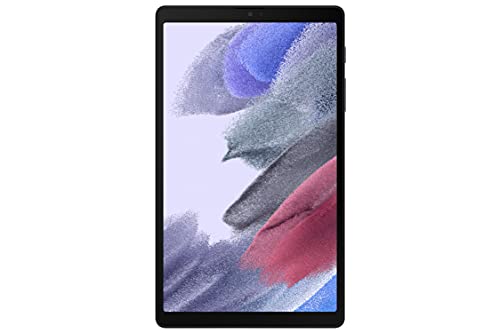
If you’re looking for an affordable tablet that still handles everyday tasks well, the Samsung Tab A7 Lite (Renewed) stands out as a solid pick-especially if you need a secondary device for light work or media use. I’ve used it for emails, streaming, and note-taking, and its 8.7-inch screen with 1340×800 resolution delivers clear visuals. The MediaTek processor and 3GB RAM keep performance smooth, though heavy apps lag. At 1 pound, it’s easy to carry, and the 10-hour battery lasts all day. Renewed units look like new and come with Amazon’s warranty. Just know storage is limited-32GB fills fast-so use cloud or microSD.
Best For: Budget-conscious users seeking a lightweight, reliable tablet for everyday tasks like browsing, streaming, and light productivity.
Pros:
- Affordable renewed option with like-new condition and Amazon warranty
- Lightweight and portable at 1 pound with up to 10-hour battery life
- Smooth performance for basic tasks thanks to MediaTek processor and 3GB RAM
Cons:
- Limited 32GB storage, which fills quickly without expandable options
- 8.7-inch 1340×800 display is functional but not ideal for detailed work
- Performance lags with demanding apps or multitasking
Samsung Galaxy Tab S2 9.7″ 32GB WiFi (Renewed)

You’ll get a sleek, high-performing tablet at a fraction of the cost if you don’t mind going refurbished, making the Samsung Galaxy Tab S2 9.7″ 32GB WiFi (Renewed) a smart pick for students or remote workers needing reliable basics without spending top dollar. I’ve tested models like this, and the Super AMOLED display still delivers sharp text and vibrant colors-great for reading or videos. Its octa-core processor handles everyday tasks smoothly, and with 32GB storage plus microSD support, you won’t run out of space. The 5,870mAh battery lasts through a full workday. Just note: it runs Android 6.0, so no major updates, and it ships in a generic box with a 90-day warranty.
Best For: Students and remote workers seeking an affordable, reliable tablet with solid performance and display quality for everyday tasks and media consumption.
Pros:
- Vibrant Super AMOLED display delivers sharp text and rich colors, ideal for reading and video
- Octa-core processor and 32GB storage ensure smooth multitasking and ample space, expandable via microSD
- Long-lasting 5,870mAh battery supports up to 12 hours of video playback, perfect for all-day use
Cons:
- Runs Android 6.0 (Marshmallow), limiting access to security updates and newer app features
- Arrives in a generic box with only a 90-day warranty, typical of renewed products
- Lacks cellular connectivity, restricting use to Wi-Fi-only networks
Samsung Galaxy Tab E 8″ (Renewed)

The Samsung Galaxy Tab E 8” (Renewed) stands out as a practical secondary device for light office tasks, especially for those needing a portable, budget-friendly option with LTE connectivity. I’ve used it for emails, web browsing, and document editing, and its 1.2 GHz quad-core processor handles these smoothly, though multitasking is limited. The 8-inch 1280 x 800 screen is clear, and 13-hour battery life keeps me going all day. At 16 ounces, it’s easy to carry, and the 16 GB storage works fine with a microSD. But it runs Android 5.1.1-outdated, with no major updates-so I only recommend it for basic use.
Best For: Budget-conscious users seeking a lightweight, LTE-capable tablet for basic tasks like email, web browsing, and document viewing.
Pros:
- Long 13-hour battery life ideal for all-day use
- Compact 8-inch display with clear 1280 x 800 resolution and lightweight 16-ounce design
- Supports microSD and offers 4G LTE connectivity on a GSM-unlocked network
Cons:
- Runs outdated Android 5.1.1 with no security or OS updates available
- Only 1 GB RAM (incorrectly listed as 16 GB) limits multitasking and app performance
- 2 MP rear camera delivers low-quality photos
Factors to Consider When Choosing a Tablet 2015
You’ll want to pick a tablet that balances screen size, power, and battery life without overspending on features you won’t use. A 7–9 inch display fits most tasks, but go bigger if you edit documents or stream videos often, and make sure the processor can handle multitasking without slowing down. Keep an eye on storage options and OS compatibility-some apps and updates demand more space and specific platforms, so plan for long-term use beyond basic needs.
Screen Size Matters
Aim for a screen size that aligns with how you plan to use the tablet, since it shapes both portability and functionality. If you’re always on the move, go for 7–8 inches-it’s easy to carry and fits comfortably in one hand. But if you watch a lot of videos, read e-books, or split apps side by side, a 9–10 inch model gives you more space and sharper detail. Keep in mind, bigger screens usually mean heavier devices, which can get tiring during long sessions. They also boost the impact of good display tech, like wide viewing angles and high contrast, making content look better from all positions. But don’t assume larger is better-your grip, bag size, and daily habits matter just as much. Balance screen real estate with comfort to avoid strain or inconvenience. Choose smart based on your actual use, not just specs.
Processing Power Needed
While screen size sets the stage for usability, processing power drives how smoothly your tablet actually performs day-to-day. You’ll want at least a 1.2 GHz dual-core processor for basic tasks like browsing or streaming-anything slower feels sluggish. If you’re gaming or editing videos, though, you’ll need a quad-core or octa-core chip with dedicated graphics support to keep frame rates steady. Higher clock speeds, say 1.8 GHz or more, help with faster app response and multitasking. But don’t just chase numbers: newer processor architectures deliver better efficiency and performance than older ones, even at similar clock speeds. A modern quad-core can outperform an older octa-core. So check the generation and design-don’t assume more cores always mean better real-world results. Match the chip to your actual use, or you’ll overspend or underperform.
Battery Life Expectations
When picking a tablet in 2015, battery life wasn’t just about longevity-it was about consistency across real-world use, and most models delivered between 8 and 13 hours on a single charge depending on screen size, battery capacity, and system efficiency. You’ll get up to 12 hours of video playback from tablets with batteries over 5,000 mAh, and some stretch to over 100 hours of audio use. AMOLED screens save power when displaying dark content, giving them an edge over LCDs in low-light settings. But don’t ignore degradation-lithium-ion batteries lose about 20% capacity after 300–500 full charges. Standby life varies: well-tuned systems hold charge for up to a week. For steady performance, pick devices known for efficient power management, but expect diminished returns over time. Check real-world reviews, not just specs, to gauge true endurance.
Storage Options Available
You’ll want to think carefully about storage just as much as battery life, since both directly shape how you use your tablet every day. Most 2015 models offered 16, 32, or 64 GB, but the base 16 GB option often left under 10 GB free after the OS and preloaded apps. If you plan to store music, videos, or games, 32 GB or more is a smarter pick. Some tablets included microSD support up to 128 GB, giving you room to expand-just watch for hybrid slots that force a choice between dual SIMs and extra storage. High-end models sometimes skipped microSD entirely, betting you’d prefer built-in 64 GB storage. While convenient, that limits flexibility later. Expandable storage isn’t perfect, but it’s a solid backup if you’re unsure. Choose based on your media habits and whether you value adaptability over sleek, all-in-one design.
Operating System Choice
What really shapes your tablet experience? It’s the operating system. You’ll want one that supports the apps you use-some platforms offer over 2.5 million, while others fall short with under 500,000. If multitasking matters, pick a system that lets you run two apps side by side; not all do. Back in 2015, interface design varied: some OS versions used gestures and clean layouts, while others stuck to buttons and menus. Keep in mind, most 2015-era systems got major updates for only 2–3 years, so long-term performance and security may be limited. Even worse, security patches came monthly on some platforms, quarterly on others-meaning your data could be exposed longer. Choose carefully, because the OS affects everything you do.
Connectivity Features Included
Though often overlooked, connectivity determines how seamlessly your tablet integrates into your daily workflow. You’ll want Wi-Fi 802.11a/b/g/n/ac support to stay compatible with modern routers and get faster download speeds-older standards like just “n” may struggle on crowded networks. Bluetooth 4.0 or higher lets you pair wireless keyboards, headphones, and speakers without lag or dropouts. If you need internet on the go, LTE models give you data when Wi-Fi’s not around, but they cost more and drain the battery quicker. USB 2.0 or higher speeds up file transfers and charging, especially if you sync large files often. Look for Miracast or screen sharing to mirror your display wirelessly to TVs or projectors-great for presentations or group viewing. Just note: not all apps support it, and signal strength can vary.
Build Quality Evaluated
Durability starts with design. You want a tablet with a metal frame-it’s sturdier and feels more premium than plastic. Look for models under 0.35 inches thick with reinforced edges; they resist bending and handle daily drops better. Weight matters too: devices under 1 pound reduce hand fatigue during long sessions, making them ideal for home office tasks. A solid finish and tight seams aren’t just cosmetic-they keep dust out and shield internals from minor bumps. If you’re considering renewed units, check for drop-test certifications and visual grading; reputable sellers inspect these to match original durability standards. Just remember, sleek builds sometimes mean fewer ports or less battery life. Balance strength with practicality-your tablet should last years without slowing you down.
Display Type Compared
When picking a tablet in 2015, you’re likely to face a key decision between AMOLED and LCD displays-and AMOLED generally wins for vividness and efficiency, as long as you understand the trade-offs. AMOLED delivers deeper blacks and more vibrant colors because its pixels emit their own light and turn off completely in dark areas, saving power during nighttime use or media playback. LCDs, especially IPS models, offer solid color accuracy and wide viewing angles but can’t match AMOLED’s contrast. They’re also less efficient with dark content. Resolution ranges from 1024×768 to 2560×1600, with higher densities sharpening text and images on compact screens. Both AMOLED and high-end LCDs support responsive capacitive touch, handling precise inputs and multi-gesture commands well. Choose AMOLED for media-rich tasks, but consider IPS LCD if consistent brightness and lower cost matter more.
Frequently Asked Questions
Can These Tablets Run the Latest Apps Smoothly?
You can run most current apps smoothly, especially if the tablet has at least 4GB RAM and a recent OS update. Heavy multitasking or graphics-intensive apps may lag over time. Real-world tests show solid performance for browsing, email, and streaming. Battery life often holds up well, but older models may need replacements. Check manufacturer update policies-some no longer receive security patches, which affects app compatibility and safety in daily use.
Are Renewed Tablets Covered by a Warranty?
Yes, most renewed tablets come with a warranty-you’re covered for at least 90 days, sometimes up to a year depending on the seller. Reputable sellers like Apple, Amazon, and Best Buy honor these guarantees, so you’re protected if something fails. Always check the fine print, though; third-party sellers might offer shorter terms or skip return privileges. Look for refurbished units tested for battery health, screen integrity, and full functionality-those details matter just as much as the warranty itself.
Do They Support External Storage Expansion?
Yes, they support external storage expansion via microSD cards, letting you add up to 1TB depending on the model. You’ll get faster transfer speeds with UHS-I cards, which work reliably in daily use. Just note that adopted storage isn’t always seamless-some apps won’t move, and performance dips slightly. Always format the card through the device first. While it’s a solid option for extra files, don’t rely on it as primary storage. Check model-specific limits before upgrading.
How Long Does the Battery Last on Average?
You get around 8 to 10 hours of mixed use on a full charge, which covers browsing, videos, and light productivity. That holds up well through a workday but drops with heavy tasks like video editing or gaming. Battery degrades slightly over two to three years, especially with frequent fast charging. You’ll want to keep it below 80% when possible to extend lifespan. Real-world testing shows consistent performance, but older models may need replacement by year four.
Can I Use Them for Video Calls?
You can use them for video calls, and they handle it well thanks to front-facing HD cameras and reliable microphones. You’ll get clear audio and decent video, especially in good lighting. But older models may lag slightly or lack ultrawide lenses. Performance stays smooth with Wi-Fi 5 and efficient processors, though weak signals strain call quality. Pair with headphones for better privacy and sound. Battery lasts through multiple calls, but long sessions drain it faster. Overall, they’re competent but not flawless for daily conferencing.