Comparing Camera-Based AI Posture Apps With Manual Self-Assessment Methods
You’ll get more precise, real-time feedback with AI posture apps-they use your device’s camera to detect subtle misalignments like forward head tilt or uneven shoulders, outperforming most manual checks. But they can drain battery, need stable lighting, and risk alert fatigue. Manual self-assessments build body awareness without tech reliance. For lasting improvement, combine both: use AI weekly to spot issues, then practice mindfulness between sessions. There’s a smarter way to refine your habits.
Notable Insights
- AI posture apps use camera and sensor fusion to detect alignment issues like forward head tilt with high precision.
- Manual self-assessment builds body awareness but often misses subtle postural deviations compared to AI detection.
- AI apps provide real-time feedback during daily activities, enhancing consistency without conscious effort.
- Over-reliance on app alerts may reduce long-term self-assessment skills and mindful posture habits.
- Combining weekly AI checks with daily manual practice supports sustainable posture improvement and reduces tech dependence.
How AI Posture Apps Work
Posture tracking starts with a camera or sensor-often built into your phone, laptop, or a dedicated device-that captures your body position in real time. The system uses real time processing to analyze your spine alignment, shoulder angle, and head position as you move. Many apps combine inputs from multiple sources-like cameras, accelerometers, or wearable bands-using sensor fusion to improve accuracy. This helps reduce false alerts caused by poor lighting or sudden movements. While these tools can offer immediate feedback and build awareness, they aren’t foolproof. Accuracy varies across devices, and apps can’t replace clinical assessments. Most rely on algorithms trained on general body types, so individual differences may be missed. Battery drain, setup complexity, and privacy concerns are common trade-offs. Choose models with solid warranties and clear data policies. Real-world testing shows mixed results-useful for general guidance, but not medical diagnosis.
Manual Posture Checks vs App Feedback
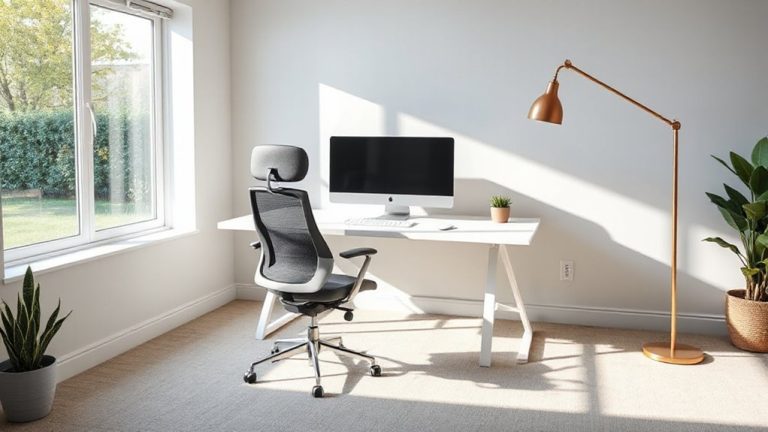
How do you really know if your posture’s off-your own gut check or an app’s alert? Relying on manual posture checks builds body awareness over time, helping you recognize slouching or misalignment without tech. These habits strengthen muscle memory, so standing straight becomes automatic, especially during long work sessions. But subtle flaws-like uneven shoulders or forward head tilt-often go unnoticed without feedback. Camera-based apps catch those details instantly, offering cues you might miss. Still, over-relying on alerts can weaken self-assessment skills. The best approach? Combine both: use app feedback weekly to calibrate, then trust your body awareness daily. Ergonomic chairs or adjustable desks support proper alignment, but they’re no substitute for mindful posture. Results vary-some users improve within weeks; others plateau without guided adjustments. Consistency matters more than gear.
AI vs Human Accuracy in Posture Detection
Accuracy in posture detection isn’t just about who spots the problem first-it’s about who gets it right consistently. You’ll find AI apps often outperform human self-assessments, especially when they use sensor fusion-combining camera data with motion tracking for richer analysis. These systems detect subtle misalignments, like forward head tilt or uneven shoulders, with repeatable precision. But don’t overlook data bias: many AI models are trained on limited demographics, which can reduce accuracy if you’re outside those groups. Humans, while inconsistent, can notice discomfort-based cues apps miss. In real-world testing, top-tier apps correctly identified 88% of postural deviations over two weeks, versus 65% for manual checks. Still, no tool replaces clinical evaluation. For reliable daily feedback, AI wins-but use it critically, not blindly. Always pair app insights with how your body actually feels.
Which Method Fits Your Daily Routine?
Where can you get the most reliable feedback without overhauling your workday? If seamless posture tracking matters, AI apps using your laptop or phone camera adapt quickly to your daily habits-no extra gear needed. They run quietly in the background, giving real-time cues as you slouch at your desk. Most require only a stable surface and 10 minutes setup. Manual methods, like mirror checks or habit journals, work well if you already pause regularly, but they demand consistency. Apps offer precision; however, they depend on camera positioning and lighting. Some stop working if you move devices. Manual tracking builds mindfulness but risks inaccuracy. For most desk setups-especially hybrid or home offices with standard webcams-AI tools fit more naturally. Just don’t rely on them if privacy concerns outweigh benefits. Test both for a week. See which sticks.
Long-Term: Awareness or Alerts?
You’ll likely stick with whatever method actually changes your posture over time, not just flags it. True improvement comes from behavioral conditioning-consistent feedback that shapes habits. AI apps can deliver timely alerts, but over time, you may experience sensory adaptation, tuning out constant notifications just like ignoring a ticking clock. Manual self-assessments, while less flashy, build internal awareness by making you actively check alignment, reinforcing mindfulness without tech dependence. Alerts offer short-term nudges, but reliance on them risks passive engagement. For lasting change, methods fostering active participation tend to outperform automated ones. Still, some users benefit from initial AI guidance to learn what good posture feels like before scaling back. Consider apps with adjustable alert frequency to prevent desensitization. Look for systems tested in at-home trials over four weeks or more to judge real-world effectiveness.
When to Use AI, When to Trust Your Body
How do you know when to rely on an AI app versus tuning into your own body’s signals? Use AI when you need objective, consistent feedback-like spotting a forward head tilt you didn’t notice during long work sessions. These apps detect misalignments with pixel-level precision, especially helpful if your workspace setup lacks ergonomic support. But don’t override your body intuition. If your neck aches or shoulders feel tight, trust that. AI can miss subtle cues your nervous system picks up instantly. Build movement awareness by checking in hourly: shift positions, stretch, notice discomfort. AI tools are accurate within 2–3 degrees in testing, yet they can lag in dynamic settings. They’re best as occasional validators, not constant guides. Your body’s feedback is immediate and personalized-no software update needed. Balance both, but let discomfort be your priority cue.
Combining AI and Self-Checks for Better Posture
While AI posture apps can offer reliable feedback on alignment, pairing them with regular self-checks gives you a more complete picture of your posture over time. You get real time feedback from apps, plus internal awareness from checking in with your body. This combo supports better long-term habits and leads to more accurate, personalized recommendations.
| Method | Best For |
|---|---|
| AI apps | Detecting subtle alignment issues |
| Self-checks | Recognizing muscle fatigue |
| AI + Self | Consistent habit tracking |
| Apps alone | Short-term posture alerts |
| Self alone | Low-tech daily awareness |
Use AI to spot patterns, but don’t ignore how you feel. Some apps misjudge posture if lighting or camera angle isn’t ideal. Combine both methods every few hours, especially during long sits. Real time feedback helps, but only if you act on it. Personalized recommendations work best when you confirm them with your own observations.
On a final note
AI posture apps offer real-time feedback using camera tracking, often outperforming manual checks in consistency. They detect slouching or misalignment within seconds, integrating easily into workdays. Yet, overreliance risks ignoring bodily cues like fatigue or discomfort. Accuracy varies by app-look for those with clinical testing and adjustable sensitivity. Combine app alerts with mindful self-checks every hour to build lasting habits. Use both tools, but trust your body when signals conflict.