Keeping Pet Chew-Prone Cords Safe With Reinforced Spiral Wrap Tubing
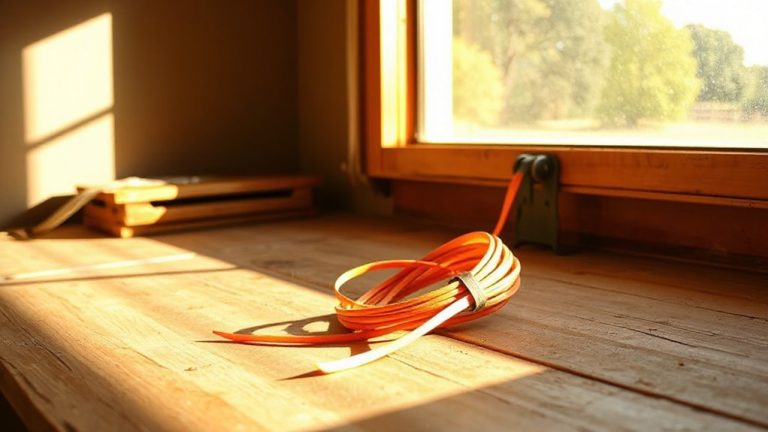
Reinforced spiral wrap tubing gives your cords solid protection against pet chewing-3mm+ plastic or stainless steel versions resist over 200 psi of bite force, far outlasting standard PVC that fails in seconds. It installs fast, no tools needed, and fits cords up to 1/2 inch. While not bite-proof for aggressive chewers, it delays damage long enough to prevent shocks or fires. Pair it with bitter sprays and proper routing for best results in high-risk areas like desks or entertainment centers-smart protection starts here.
Notable Insights
- Spiral wrap tubing acts as a durable barrier that deters chewing by resisting canine molars and cat incisors.
- Reinforced 3mm+ spiral wraps offer improved protection against persistent chewers compared to standard plastic covers.
- Stainless steel spiral wrap withstands over 400 psi of bite pressure, making it more effective than heavy-duty plastic.
- Easy to install without tools by twisting onto cords, fitting diameters up to 1/2 inch, and is reusable.
- Combine spiral wrap with bitter sprays and cord routing away from high-risk zones for maximum effectiveness.
Why Chewed Cords Are Dangerous for Pets
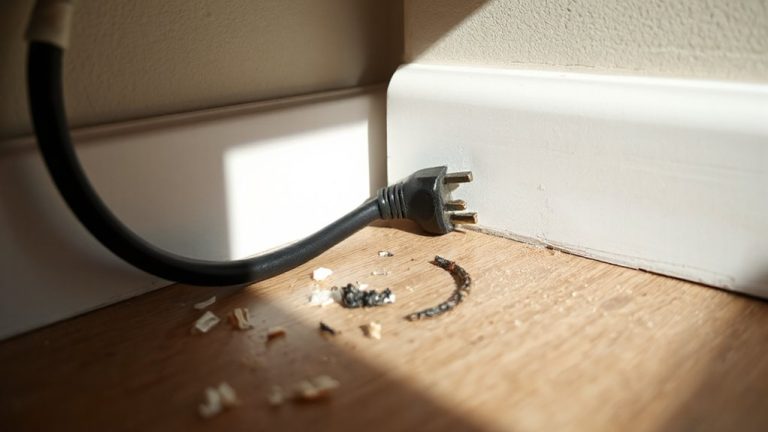
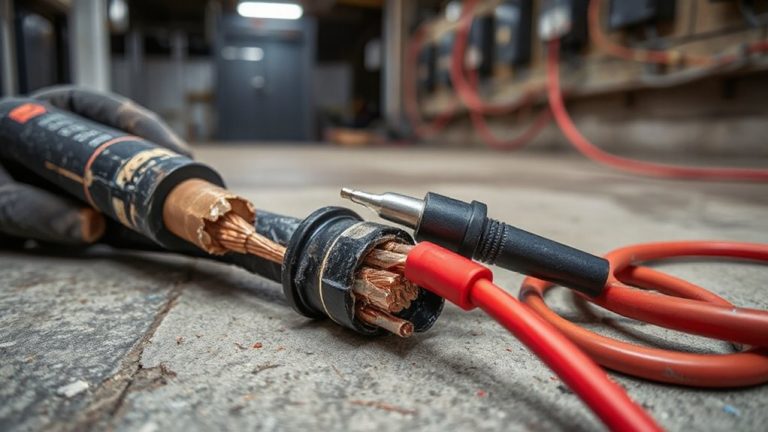
Electrical cords and pets don’t mix-period. You’re risking serious electrical hazards every time your dog or cat gnaws on a live wire. Chewed insulation exposes live conductors, creating shock or fire risks. These aren’t minor threats-pet injuries from electric cords can include burns, cardiac issues, or even death. Real-world tests show that standard PVC-jacketed cables fail under just seconds of determined chewing. While some reinforced cables offer slightly thicker jackets, most still can’t withstand sharp teeth. You need more than a tougher cord-you need a physical barrier. That said, even the best setups aren’t foolproof. Supervision still matters. No product replaces vigilance, and no warranty covers emotional distress from preventable accidents. Look for UL-listed components and tested durability, but remember: prevention beats repair. Your pet’s safety hinges on proactive steps, not just better materials.
How Spiral Wrap Stops Dogs and Cats From Chewing Cords
A solid majority of pet owners who’ve tried spiral wrap report noticeably less cord chewing, and for good reason-it creates a durable, flexible barrier that’s tough for teeth to penetrate. You’ll find it resists punctures from canine molars and cat incisors far better than exposed PVC or rubber. The textured surface also deters interest, since it doesn’t feel like a chew toy. While it’s not a substitute for behavior training, pairing spiral wrap with positive reinforcement sharpens results. Redirect your pet to appropriate chew toys when you catch them gnawing. Note that thinner gauges may still be vulnerable to determined chewers, so opt for reinforced, 3mm+ thickness. Installation is quick-just twist it on-but check regularly for wear. It won’t fix deep-seated habits alone, but as part of a broader strategy, it’s a reliable, low-cost safeguard for home office and office gear.
Spiral Wrap vs. Other Cord Protectors: Which Works Best?
Spiral wrap typically outperforms rigid conduit and fabric sleeves when it comes to balancing ease of use, durability, and pet resistance-especially in high-traffic home office setups. Its material flexibility allows it to bend with cords around desks and under cabinets, reducing strain and wear. Plus, installation speed is a major win: no tools, no hassle-just snap it on. While not as crush-resistant as metal conduit, it’s far more adaptable than rigid options. A clean office space is easier to maintain with solutions that support both organization and pet safety, making professional cable management essential for home environments.
| Type | Material Flexibility | Installation Speed |
|---|---|---|
| Spiral Wrap | High | Very Fast |
| Rigid Conduit | Low | Slow |
| Fabric Sleeve | Medium | Fast |
| Metal Spiral | Medium-High | Moderate |
Choose spiral wrap if you value quick setup and need strong chew deterrence without sacrificing movement. Just remember-it won’t stop determined large dogs like thicker solutions might.
Stainless Steel vs. Heavy-Duty Plastic: Best Chew-Proof Types
When it comes to stopping serious chewers, stainless steel conduit beats heavy-duty plastic in raw durability-especially with large dogs that apply high bite force. You’ll get better material durability with metal, as it resists cracking, tearing, and deformation under pressure. Unlike even the thickest plastic sleeves, stainless steel won’t splinter or degrade with repeated gnawing, directly boosting protection longevity. Tests show metal conduits withstand over 400 psi of bite pressure, while heavy-duty plastics usually fail around 250 psi. That makes steel ideal for high-risk zones where you can’t supervise. But it’s stiffer and harder to route around furniture or tech setups, which may limit use in compact home offices. Heavy-duty plastic still works well for lighter chewers and offers easier installation and cleaner aesthetics. Just don’t rely on it long-term for aggressive chewers-its protection longevity simply can’t match steel. Choose based on your pet’s behavior and setup needs.
How to Install Spiral Wrap in 5 Minutes
If you’re looking for a quick, budget-friendly way to shield cords from light chewing, spiral wrap is worth considering-just don’t expect it to stop a determined dog. Installation takes under five minutes with zero tools, making tool selection a non-issue. Simply split the spiral open, wrap it snugly around the cord, and it locks into place with friction. Its time efficiency shines when protecting multiple cords, like those behind a desk or entertainment center. Most wraps stretch to fit cords up to 1/2 inch in diameter and stay secure without adhesives. They’re also reusable and easy to remove for maintenance. Just be aware: while they resist claws and light gnawing, heavy chewers can still shred them. Brands like VELCRO and CableOrganizer offer 25-foot rolls with UV resistance and warranties up to 5 years. Test one first-works best where temptation and access are limited.
High-Risk Spots for Cord Chewing in Your Home
A few key areas in your home pose the highest risk for cord chewing, especially where dogs spend time unsupervised or where cords are easily accessible. Electrical outlets and entertainment centers are common hotspots, often packed with tempting cables. Baseboards near outlets attract gnawing, while loose cords behind desks or media consoles offer privacy and access.
| Location | Risk Level | Common Cords Present |
|---|---|---|
| Entertainment Centers | High | HDMI, power, audio cables |
| Near Electrical Outlets | High | Lamp, charger, appliance cords |
| Home Office Desks | Medium | USB, monitor, laptop chargers |
Tackle these zones first. Spiral wrap works well here, but don’t expect it to replace supervision. It resists light chewing but isn’t bite-proof. Cords near outlets need secure anchoring-otherwise, tugging can still expose hazards. Evaluate each spot for access and wear. Implementing proper cable management techniques can significantly reduce clutter and protect cords in high-risk areas.
Combine Spiral Wrap With Deterrents for Lasting Protection
While spiral wrap offers a solid first line of defense, pairing it with chew deterrents gives you far more reliable protection-especially in high-traffic areas where your dog spends unsupervised time. You’re not just blocking access; you’re reinforcing behavior modification through taste aversion. Bitter sprays, like those with denatonium benzoate, make cords unpleasant without harming your pet. Apply them every few days, as they wear off over time. The spiral wrap prevents chewing long enough for taste aversion to take effect, creating a lasting habit shift. But don’t rely on either method alone-some dogs get persistent, and no deterrent is 100% effective. Combine both with supervision and environmental management. High-end spiral wraps with tight weave (3–5mm pitch) resist tearing, but even durable ones won’t hold up to determined teeth without behavioral support. Expect to reapply sprays weekly and monitor for wear.
On a final note
You should use reinforced spiral wrap tubing to protect cords-its tight weave and flexible nylon construction withstand light to moderate chewing. While not bite-proof, heavy-duty plastic or stainless steel versions offer more security for aggressive chewers. Installation takes minutes and fits most cable diameters. Pair it with bitter sprays for best results. Just know: no solution is 100% effective, so monitor your pet and check for wear, especially near joints.