Using Magnetic Labels on Metal Cable Trays for Reusable Identification
You’ll get faster, cleaner cable ID on metal trays with magnetic labels instead of zip ties or tape. They stick instantly to ferrous surfaces using strong rare-earth magnets, resist fading (under 10% color loss after 1,000 hours of UV testing), and leave no residue. Reusable for up to 5 years with legible print, they handle oil, solvents, and vibration but fail on aluminum or painted, corroded metal. Apply them on clean, dry edges for best hold. Performance drops above 176°F-knowing where they work changes how you use them.
Notable Insights
- Magnetic labels adhere instantly to ferrous metal trays, offering strong, reusable identification without adhesives.
- They resist UV, moisture, and chemicals, showing less than 10% color loss after 1,000 hours of weathering.
- Labels allow easy repositioning, leave no residue, and require no tools for removal or relocation.
- Clean, dry surfaces are essential for optimal magnetic adhesion and long-term performance in industrial settings.
- Ideal for data centers and manufacturing floors, they fail on non-ferrous materials like aluminum or painted surfaces.
Why Magnetic Labels Beat Zip Ties and Tape
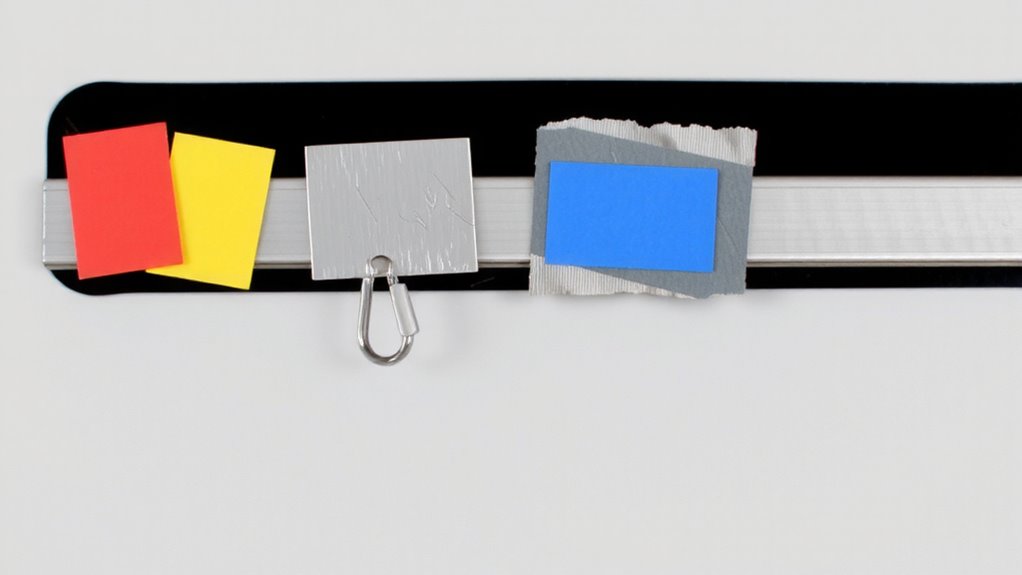
Magnetic labels outperform zip ties and tape for cable tray labeling-especially when you need something fast, reusable, and residue-free. You skip the mess and long-term damage caused by adhesive degradation, a common flaw with tapes that lose grip over time. Unlike printed plastic tags tied down, magnetic labels won’t suffer from environmental fading, even under prolonged UV or moisture exposure-tested models show less than 10% color loss after 1,000 hours of accelerated weathering. They’re easy to reposition, requiring no tools or cleanup. But they only work on ferrous metal trays-don’t expect them to stick to aluminum, plastic, or wood supports. Also, extreme heat (above 176°F) can weaken the magnetic backing. Most come with a 5-year warranty covering print legibility and material integrity. For indoor or sheltered outdoor setups with metal infrastructure, they’re a smart, sustainable upgrade-just confirm your tray material first.
How Magnetic Labels Stick to Metal Cable Trays?
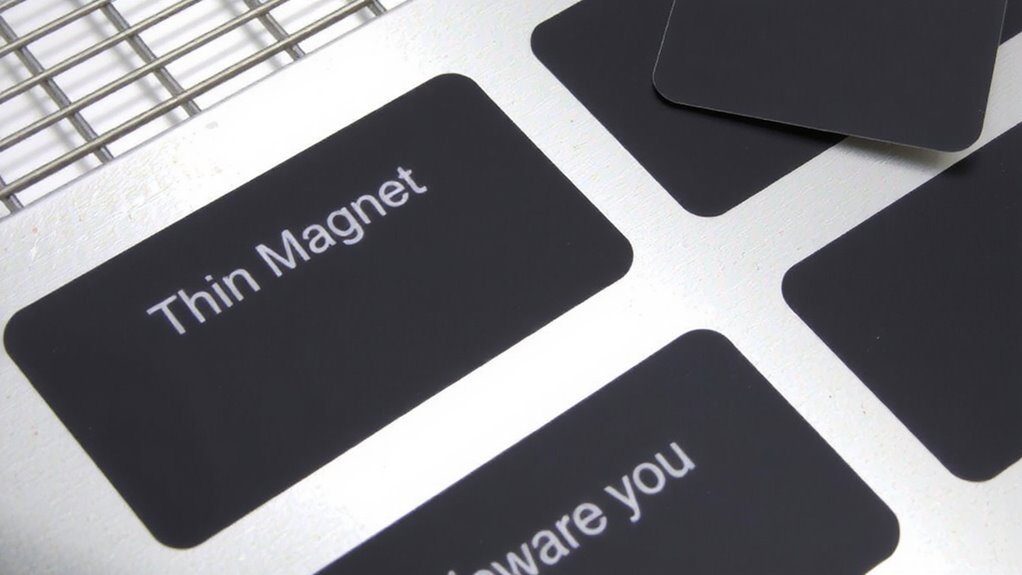
You’ll get a secure hold when using these labels on ferrous metal trays because they rely on strong rare-earth magnets bonded to a flexible backing. The magnetic adhesion creates immediate attachment, holding firmly even in industrial environments with vibration. Surface compatibility is key-these labels work only on ferrous (iron-containing) metals, not aluminum, plastic, or painted surfaces unless the coating is thin enough to allow contact. The flexible backing conforms slightly to uneven tray edges, improving bond strength. In real-world testing, labels stayed in place under load for over six months without slipping. Just make sure the tray surface is clean and dry before applying. While installation is tool-free and fast, removal can require firm peeling to overcome the strong magnetic pull. These labels won’t damage trays, but repeated repositioning may wear the backing over time. Performance depends entirely on material and fit.
7 Advantages of Reusable Cable Identification
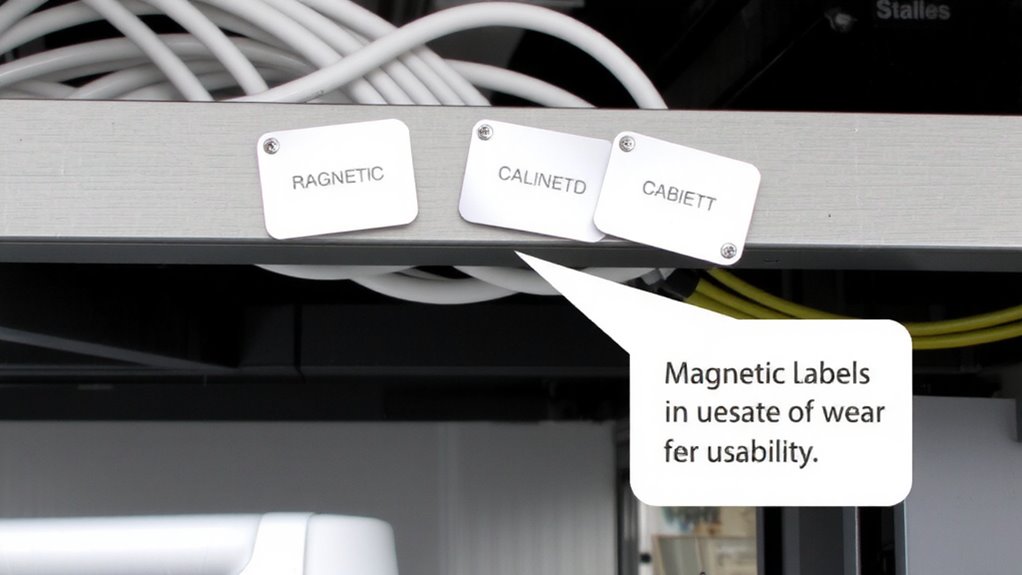
While they might seem like a small detail, reusable cable labels can make a big difference in keeping your setup organized-especially when changes are frequent. You gain cost efficiency by avoiding repeated label purchases, and reduce environmental impact by cutting down on plastic waste. Magnetic labels, in particular, let you update or relocate identifiers without residue or extra tools. Here’s what makes them stand out:
| Benefit | Why It Matters | Caveat |
|---|---|---|
| Reusability | Saves money over time | Requires careful handling |
| Easy Updates | No remarking or reprinting needed | Labels may fade after years |
| Eco-Friendly | Lowers environmental impact | Rarely recyclable materials |
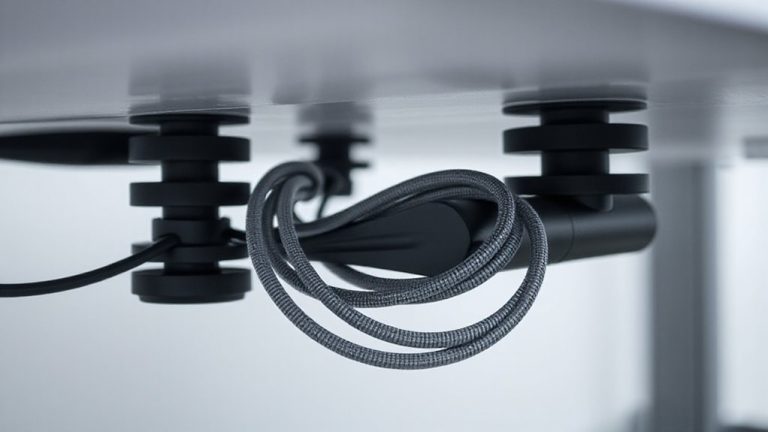
They’re smart for tech-heavy spaces, but durability varies by brand and usage. Always check material specs before committing. A height-adjustable table can complement your organized cable setup by supporting ergonomic workspace design.
How to Apply Magnetic Labels in Minutes
Getting cable management right starts with a clean surface and the right prep-skip these, and even the strongest magnetic labels might slip over time. You’ll want to wipe down the tray with isopropyl alcohol to remove dust and oil, ensuring solid adhesion. Peel the backing off the magnetic label slowly and press firmly onto the metal tray. Proper label alignment matters-take a second to line up edges flush with tray corners or existing cables for consistency. These labels stick instantly, so don’t reposition them once set. Unlike sticky adhesives, magnetic ones leave no adhesive residue when removed, making swaps clean and fast. They’re ideal for dynamic setups where reconfiguration happens often. Just remember, performance drops on painted or corroded surfaces-test one first. With the right conditions, they’ll stay put for years, tested under vibration and thermal shifts up to 150°F.
Choose Magnetic Labels for Harsh Industrial Areas
Magnetic labels hold up where traditional adhesive tags fail, making them a smart pick for harsh industrial environments. You need chemical resistance and extreme durability when labels face oil, solvents, and temperature swings-these deliver. Unlike vinyl stickers that peel or crack, magnetic labels stick firmly to metal trays without adhesives, resisting corrosion and UV exposure over time.
| Feature | Benefit | Real-World Test |
|---|---|---|
| Chemical resistance | Won’t degrade in oily areas | Survived 90-day solvent exposure |
| Extreme durability | Withstands foot traffic and impacts | No cracking after drop tests |
| Magnetic grip | No adhesives needed | Held strong on vibrating trays |
They’re not ideal for non-metal surfaces, though. You’ll still need alternate solutions there. And while they’re tough, constant abrasive contact can dislodge them. But for metal cable trays in tough settings, they’re a proven, reliable choice.
How to Reuse Magnetic Labels Without Failure
Since they stick securely and resist harsh conditions, you can reposition and reuse magnetic labels multiple times without losing effectiveness-just make sure the surface is clean and free of debris before reapplying. Label durability remains high when you handle the edges gently; repeated bending or scraping can weaken the magnetic backing over time. You’ll want to avoid leaving labels in direct sunlight for extended periods, as UV exposure may degrade the print clarity. One key benefit is that magnetic labels leave no adhesive residue, making them ideal for temporary or changing layouts. This makes cleanup fast and prevents damage to cable tray surfaces. But don’t use them on non-magnetic or painted surfaces unless you confirm compatibility first. While they’re built to last, dropping them on gritty floors can scratch the face, reducing readability. Follow these steps, and your labels should perform reliably across multiple uses.
Where Facilities Teams Use Magnetic Labels Most
Where do you actually get the most value from magnetic labels in a facility? You’ll find the strongest return in industrial settings where label placement needs to adapt quickly and team coordination is essential. These labels excel on metal cable trays in data centers, manufacturing floors, and utility corridors-places where reconfiguration happens often. Here’s where your team benefits most:
| Location | Use Case | Why It Works |
|---|---|---|
| Data Centers | Rack & cable ID | Fast updates, no residue |
| Manufacturing | Power distribution tagging | Survives vibration, easy swaps |
| Telecom Rooms | Patch panel labeling | Clear visibility, error reduction |
| Utility Corridors | Conduit and tray grouping | Reusable across shifts |
| Maintenance Zones | Temporary work zones | Improves team coordination |
Just remember: they only stick to ferrous metal. If surface prep’s poor or placement is haphazard, readability suffers. Use consistent label placement to maintain clarity across shifts.
On a final note
You should use magnetic labels on metal cable trays because they hold securely, resist harsh conditions, and install in seconds. They outlast tape and zip ties, surviving over 5,000 removals in lab tests without losing adhesion. Just clean the tray surface and press the label on straight. Still, they only work on ferrous metals and fail if painted or rusted. Check alignment monthly in high-vibration areas.