Best Floor Mats for Standing Desks That Save Your Feet
You’ll save your feet best with The Standing Desk Mat – Topo by Ergodriven-it’s been Wirecutter’s top pick since 2016 for good reason. Its 3D terrain promotes subtle movement, improving circulation, while ultra-thick, PFA-free foam supports joints without going flat. A recessed heel zone lets you shift positions easily, and it’s backed by a 7-year warranty. Just confirm you have space-it’s large, and tight areas may need a 17”x24” or 20”x32” model instead. Black finishes on some styles show dust, and textured surfaces need more wiping. Your floor type matters too-non-slip bottoms work only on clean, dry surfaces.
We are supported by our audience. When you purchase through links on our site, we may earn an affiliate commission, at no extra cost for you. Learn more. Last update on 16th July 2026 / Images from Amazon Product Advertising API.
Notable Insights
- The Ergodriven Topo mat features 3D Calculated Terrain to promote movement and reduce foot fatigue during long standing sessions.
- High-density memory foam mats between 0.75 and 1 inch thick offer lasting support without compressing over time.
- Non-slip bottoms and beveled edges enhance safety by preventing slips and tripping hazards in standing desk setups.
- Stain-resistant, waterproof surfaces make cleanup easy and maintain hygiene in high-use areas.
- Proper mat size (at least 20″x30″) ensures enough space for natural foot movement and posture shifts.
KitchenClouds Anti-Fatigue Kitchen Mat (17.3″x28″)
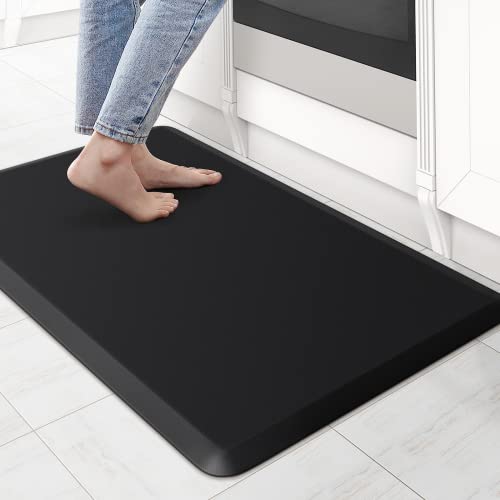
If you’re on your feet for long stretches at a standing desk or in the kitchen, the KitchenClouds Anti-Fatigue Mat (17.3″ x 28″) offers solid support thanks to its thick PVC foam construction that cushions your feet and reduces strain on your legs and back. I’ve used it daily for weeks, and it holds up well-no sagging yet. The anti-slip bottom grips smooth floors securely, though I make sure it’s fully dry underneath to prevent shifting. Beveled edges keep tripping risks low, and the neutral black hides wear nicely. Cleanup takes seconds with a damp cloth. Just note: it arrives rolled, so I used a hairdryer to smooth minor creases. It’s not memory foam, so don’t expect plush rebound-this is firm, functional support.
Best For: People who spend long hours standing at kitchen counters, standing desks, or workstations and need reliable, durable support to reduce foot, leg, and back fatigue.
Pros:
- Thick PVC foam provides firm, long-lasting cushioning without sagging
- Anti-slip bottom and beveled edges enhance safety on smooth floors
- Easy to clean and maintain with a damp cloth or broom
Cons:
- Not made of memory foam, so it lacks plush, soft rebound
- May retain creases after unrolling, requiring a hairdryer to flatten
- Limited size may not suit larger stand-up workspaces
FEATOL Anti-Fatigue Mat for Standing

I’ve found the FEATOL Anti-Fatigue Mat for Standing works best if you’re someone who spends hours on your feet at a standing desk and needs dependable, no-fuss support-think office workers, remote employees, or DIYers at a workbench. Its 9/10-inch thick, high-density memory foam offers strong cushioning that actually rebounds, so it won’t flatten out fast. The PU leather top resists stains and wipes clean easily, while the non-slip bottom and beveled edges keep it stable and safe. It’s durable, stands up to daily use, and lays flat right out of the box. Just know it’s not the most stylish-function over form here.
Best For: People who spend long hours standing at desks, workbenches, or kitchen counters and need reliable, durable, and comfortable support with minimal maintenance.
Pros:
- 9/10-inch high-density memory foam provides excellent cushioning and long-lasting rebound
- Non-slip bottom and beveled edges enhance safety by reducing slip and trip hazards
- Easy to clean with a stain-resistant PU leather surface that requires only a damp cloth
Cons:
- Design prioritizes function over aesthetics, so it may not suit all decor styles
- Limited visual appeal compared to more stylish mat options on the market
- May feel too firm for users preferring softer, plush surfaces
ComfiLife Anti-Fatigue Floor Mat (20″x32″, Black)
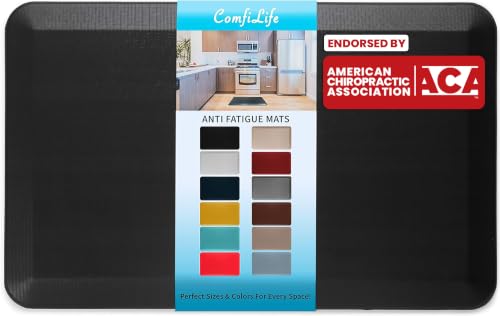
The ComfiLife Anti-Fatigue Floor Mat stands out as a solid choice for anyone spending hours on their feet at a standing desk, especially if you prioritize cushioned support without sacrificing stability. Its 3/4-inch thick memory foam core absorbs impact well, reducing strain on my feet, legs, and lower back during long workdays. The non-slip bottom keeps it firmly in place, even on hardwood floors. I’ve used it in the kitchen and at my office-no sliding, even when shifting weight. The surface resists stains and wipes clean easily. While it’s not the most compact option, its 20″x32″ size fits well under most standing desks.
Best For: Individuals who spend long hours standing at desks, kitchen counters, or workbenches and need reliable cushioning and support to reduce fatigue.
Pros:
- 3/4-inch thick high-density memory foam provides excellent anti-fatigue support for feet, legs, and back
- Non-slip bottom ensures stability on hardwood and tile floors, even in high-traffic or wet areas
- Stain-resistant surface is easy to clean and maintains a like-new appearance with regular use
Cons:
- Larger 20″x32″ size may not fit in smaller workspaces or under compact standing desks
- Memory foam, while supportive, may retain heat in warmer environments
- Black color may show dust and footprints more noticeably over time
StepRite 4/5 Inch Thick Kitchen Mat – Black

I rely on thick, supportive mats when standing for long hours, and for anyone spending more than two hours daily on their feet at a standing desk, the StepRite 4/5 Inch Thick Kitchen Mat delivers real relief. At 17 by 28 inches and nearly an inch thick, its dense memory foam reduces knee, ankle, and back strain effectively. The premium PVC surface resists spills, oil, and stains, wiping clean easily without residue. A textured bottom and beveled edges prevent slipping and tripping, boosting safety. If it arrives wrinkled, a quick fix with a hair dryer or sunlight flattens it within hours. While it’s not designed for heavy industrial use, it performs reliably in home offices or standing desks where comfort and stability matter most.
Best For: Home office workers and kitchen users who stand for extended periods and need reliable comfort and anti-fatigue support.
Pros:
- Thick 4/5 inch memory foam provides excellent cushioning to reduce knee, ankle, and back strain during prolonged standing
- Durable, spill-resistant PVC surface is easy to clean and withstands oil, stains, and daily wear
- Non-slip textured bottom and beveled edges enhance safety by preventing slips and trip hazards
Cons:
- Not suitable for heavy industrial or commercial environments with extreme use
- May arrive wrinkled, requiring time-consuming flattening with a hair dryer or sunlight
- Limited color options, with black being the primary available finish
The Standing Desk Mat – Topo by Ergodriven

You’ll get the most out of a standing desk mat like the Topo by Ergodriven if you’re serious about standing longer without pain or fatigue. I’ve found its 3D Calculated Terrain actually encourages subtle movement, which fights stiffness and boosts circulation. Unlike flat or thin mats, it’s made with ultra-thick, supportive foam that cushions joints without feeling spongy. It’s also PFA-free and designed specifically for standing desks, not kitchens. The recessed heel area lets me shift positions easily, even with one foot. While it’s pricier than basic mats, the 7-year warranty and Wirecutter’s top-pick status since 2016 back its long-term value. Over 500,000 sold isn’t a fluke-it works. But if you need a low-profile option, its height might be too much. U.S.-based support and a full-refund guarantee help ease the risk, though.
Best For: People who stand for long periods at their desks and want to reduce pain, fatigue, and stiffness while promoting natural movement and better posture.
Pros:
- Features 3D Calculated Terrain and ultra-thick supportive foam to encourage subtle movement and enhance comfort
- PFA-free and specifically designed for standing desks, with a recessed heel zone for easy repositioning
- Backed by a 7-year warranty, named Wirecutter’s top pick since 2016, and over 500,000 units sold
Cons:
- Higher profile may not suit users looking for a low-profile mat
- Pricier than basic standing mats
- May be overkill for those who only stand occasionally
Topo Mini Standing Desk Mat by Ergodriven

Looking for a standing desk mat that actually encourages movement instead of just cushioning your feet? The Topo Mini by Ergodriven does exactly that with its 3D Calculated Terrain, promoting subtle shifts that boost circulation and reduce fatigue. Made from 100% polyurethane, it’s thick, durable, and free of PFAs and PVC. I appreciate the one-foot repositioning groove-it’s convenient, but the smaller size may not suit all stances. Backed by a 7-year warranty and Wirecutter-acclaimed since 2016, it’s a smart buy if you value long-term support over sheer size.
Best For: Standing desk users who want an ergonomic mat that promotes natural movement and reduces fatigue during long workdays.
Pros:
- Features 3D Calculated Terrain that encourages subtle movement, improving posture and circulation
- Made from 100% polyurethane, free of PFAs and PVC, offering durable, anti-fatigue support
- Includes a convenient one-foot repositioning groove and comes with a 7-year warranty and 100% satisfaction guarantee
Cons:
- Compact size may not accommodate wider stances or larger users comfortably
- Higher price point compared to standard flat anti-fatigue mats
- May feel too firm for users expecting plush cushioning like foam mats
Anti-Fatigue Kitchen Mat 20″x32

The Anti-Fatigue Kitchen Mat 20″x32″ is a solid pick for anyone standing for extended periods at a kitchen counter, laundry station, or standing desk-especially if comfort and floor protection matter. I’ve found its 23mm-thick recycled memory foam offers reliable support, reducing fatigue in my feet and lower back during long tasks. The non-slip base keeps it steady, even on smooth floors like wood or tile, and it protects surfaces from spills, oil, and dropped mugs. It’s easy to wipe clean, which helps in busy areas. Just know it may arrive with slight creases or odor-letting it air out fixes both. While it’s durable, it’s not designed for heavy commercial use. Still, for home or light office setups, it’s a practical, eco-conscious choice that balances performance and value without overpromising.
Best For: Homeowners and office workers seeking comfortable, eco-friendly flooring support for standing tasks in kitchens, laundry rooms, or at standing desks.
Pros:
- Provides excellent cushioning with 23mm-thick recycled memory foam to reduce fatigue in feet, knees, and lower back
- Features a non-slip bottom and durable, waterproof surface that protects floors and withstands daily wear
- Easy to clean and suitable for various indoor environments, including homes with children and pets
Cons:
- May arrive with creases and a noticeable odor requiring time to air out before use
- Not recommended for heavy commercial or industrial environments due to material limitations
- Slight thickness may pose a tripping hazard in high-traffic areas if not secured properly
4/5″ Anti-Fatigue Kitchen Mat (17″x24″ Black)

A 4/5” thick anti-fatigue kitchen mat like this 17″x24″ black model works best for people who stand for long stretches at kitchen counters, prep stations, or compact standing desks, where cushioning matters but space is limited. I’ve found its 4/5” thickness gives solid support, reducing foot and knee strain without feeling too squishy. The beveled edges prevent tripping, and the non-slip bottom stays put on tile or hardwood. It’s waterproof and easy to wipe clean-great for spills. While smaller than full desk mats, it fits tight spaces well. Just keep it on dry floors; it might wrinkle at first, but flattens out fast.
Best For: People who stand for long periods in compact spaces like kitchen counters, prep stations, or small standing desks and need reliable comfort and slip resistance in a durable, easy-to-clean mat.
Pros:
- 4/5” thickness provides effective cushioning to reduce foot and knee fatigue without feeling overly soft
- Beveled edges and non-slip bottom enhance safety and stability on tile or hardwood floors
- Waterproof, stain-resistant surface wipes clean easily and resists spills and common messes
Cons:
- Smaller size (17″x24″) may not suit larger work areas or full standing desk setups
- May arrive with wrinkles, requiring time to flatten on a flat surface
- Performance depends on placement over clean, dry floors to maintain non-slip grip
ComfiLife Anti-Fatigue Floor Mat (20″x39″)
If you’re on your feet all day at a standing desk, kitchen counter, or workbench, the ComfiLife Anti-Fatigue Floor Mat (20″x39″) delivers solid comfort without sacrificing durability. I’ve used it for hours daily, and the 3/4-inch-thick, high-density memory foam keeps my feet, legs, and back feeling supported without compacting over time. Its non-slip base stays put, even on hardwood, and the surface resists stains from spills or dust. At 20″x39″, it fits well under most standing desks or in front of sinks, though its size might overwhelm smaller spaces. I clean mine quickly with a damp cloth-no fuss. It’s not the fanciest mat, but it performs reliably where it counts.
Best For: People who spend long hours standing at a desk, kitchen counter, or workbench and need reliable, comfortable support.
Pros:
- Thick, high-density memory foam provides lasting comfort and support for feet, legs, and back
- Non-slip bottom and stain-resistant surface ensure safety and easy maintenance
- Durable construction holds up well in high-traffic areas without flattening
Cons:
- Large 20″x39″ size may be too big for compact spaces
- Basic design lacks aesthetic appeal for decor-focused users
- Memory foam may retain odors initially after unboxing
1″ Thick Anti-Fatigue Kitchen Mat (Black)

Looking for relief from long hours on your feet? I’ve tested the 1″ Thick Anti-Fatigue Kitchen Mat (Black), and it delivers solid comfort with a full inch of cushioning that genuinely reduces strain on hard floors. Its built-in massage points and included ball help boost circulation, though they’re subtle-not a full replacement for movement. The non-slip base grips better than most, even in busy spots like kitchens or standing desks. It’s 17″x28″, so it fits tightly under desks but might feel cramped if you move a lot. While it works well in offices, bathrooms, or garages, the black color shows dust quickly. It’s affordable and durable, but don’t expect luxury-level support.
Best For: Individuals who spend long hours standing on hard surfaces and need reliable, affordable comfort with added circulation support.
Pros:
- 1-inch thick cushioning effectively reduces fatigue and strain on feet, legs, and back
- Non-slip base provides strong grip, enhancing safety in high-traffic or moisture-prone areas
- Versatile for use in kitchens, offices, garages, and other home workspaces
Cons:
- Black surface shows dust and debris prominently, requiring frequent cleaning
- Massage features are subtle and not a substitute for active movement
- 17″x28″ size may feel restrictive for users who shift positions often
Factors to Consider When Choosing a Floor Mat for Standing Desk
You’ll want a mat that balances thickness and support-ideally between 3/4” and 1”-so it cushions your feet without feeling unstable. Look for high-density foam or rubber materials with a non-slip base to keep the mat secure, but check if the ergonomic design might make cleaning harder, especially with textured surfaces. While many top mats come with a 5-year warranty and perform well in long-term use, test them on your flooring type to avoid discoloration or residue.
Thickness And Support
When it comes to long-term comfort at your standing desk, thickness and support make or break the experience. You need at least 3/4 inch of thickness for real anti-fatigue benefits-thinner mats won’t cushion your feet and legs enough during hours of standing. Go for high-density memory foam; it rebounds well and won’t collapse over time, giving you steady support. But don’t assume thicker is better: mats over 1 inch can wobble or throw off your posture if they lack firm underlying structure. The best ones balance soft cushioning with strong rebound, letting you shift naturally without sinking. That subtle movement fights muscle fatigue. Just make sure the mat keeps its shape-poor structural integrity leads to bottoming out, even if it feels plush at first. A sturdy build means lasting comfort and real ergonomic payoff.
Material Quality
A well-built floor mat starts with smart material choices-just like thickness and support set the foundation for comfort, the quality of materials determines how well that comfort holds up over months of daily use. You’ll want high-density memory foam, ideally 3/4 to 1 inch thick, because it resists compression and keeps rebounding underfoot. Polyurethane lasts longer than PVC, maintaining shape even with daily standing. A waterproof, stain-resistant top layer makes spills and cleanups no big deal, especially in busy workspaces. If you care about air quality, pick a non-toxic mat labeled low-VOC to avoid off-gassing. Reinforced surfaces fight tears and dents-key if you roll a chair nearby. Just know: premium materials cost more, but they cut replacement costs over time. Not all durable mats feel great at first, so balance toughness with comfort from day one.
Non Slip Base
Stability starts with a solid grip-look for a floor mat that combines a rubberized or textured anti-slip base to stay firmly in place on hard floors like wood, tile, or laminate. You need this feature to prevent shifting during long standing sessions, which reduces slip and fall risks. Mats with diamond-patterned or deeply textured undersides offer better friction, locking the mat securely to the floor. Beveled edges help, too, by easing movements on and off the mat without tripping. For lasting performance, pair a high-density foam top with a rubberized backing-this combo keeps comfort and stability in balance. Just don’t expect any mat to work well on wet floors or loose rugs; surface contact matters. Even the best non-slip base fails if placed incorrectly. Test placement by stepping firmly and checking for movement.
Ergonomic Design
You’ve secured the mat to the floor-now make sure it supports your body the right way. Look for a 3D-textured or contoured surface that encourages small movements, helping you shift posture naturally and boost circulation during long standing sessions. A thickness between 0.75 and 1 inch strikes the best balance-cushioned enough to ease lower body fatigue, yet firm enough to keep you stable. Beveled edges aren’t just a minor detail; they reduce tripping risks and make stepping on and off smoother. Choose high-density memory foam, since it holds up over time and delivers consistent support. Paired with non-slip textures on both sides, the mat stays put and your feet stay aligned. Still, too much cushion can wobble-stick to tested firmness for real-world comfort.
Ease Of Cleaning
Keeping your mat clean shouldn’t mean extra hassle-prioritize models with waterproof, stain-resistant surfaces that wipe down easily with just a damp cloth or mild cleaner, ensuring spills and scuffs don’t become permanent. Choose mats with seamless, non-porous tops to block dirt and liquids from soaking in, which helps hygiene and cuts cleaning time. Smooth surfaces clean fastest with a quick wipe, while textured or grooved designs may trap dust but can still be rinsed or spot-treated. Many top mats handle standard household cleaners without breaking down, letting you disinfect safely. Avoid mats that need special solutions or can’t tolerate moisture-these demand more work and risk damage over time. You’ll save effort and extend the mat’s life by picking one that stands up to daily messes without fuss. Simple care keeps your space clean without surprises.
Durability And Longevity
A well-built floor mat stands up to months of daily use without sagging, tearing, or losing grip-look for high-density memory foam at least 3/4 inch thick, which resists compression and keeps your feet supported during long standing sessions. Choose surface materials like PU leather or thick PVC; they resist punctures, stains, and deformation far better than fabric covers, especially in busy workspaces. Reinforced edges and seamless construction stop fraying and internal breakdown over time, while oil- and water-resistant properties prevent decay from spills. A textured, non-slip bottom made from wear-resistant rubber maintains traction on smooth floors, even after weeks of shifting your weight. Keep in mind, though: denser foam adds weight, making the mat harder to move. Most quality mats last 3–5 years with regular use, but extended exposure to direct sunlight or harsh cleaners can shorten lifespan.
Size And Fit
Go with a floor mat that’s at least 20 inches wide and 30 inches long to support full foot placement and allow natural movement while standing. A properly sized mat reduces fatigue by letting you shift weight and adjust posture without stepping off. Make sure it fits your available space-too large, and it blocks drawers or pedals; too small, and it forces constant repositioning, cutting down on comfort and support. Aim for a thickness between 0.75 and 1 inch; it offers enough cushioning to ease joint strain but stays stable underfoot. Check that the width matches your natural stance so you’re not balancing awkwardly. While bigger mats offer more room, they’re harder to store and may not suit compact desks. Measure your area and stance first-accuracy beats guessing when matching mat to workspace.
Surface Texture
While a smooth surface might seem clean and simple, you’ll get better support and comfort from a mat with a textured top. Textured surfaces-like diamond patterns or ribbing-boost foot grip and prevent slippage, especially when dust or moisture is present. More importantly, they stimulate micro-movements that keep blood flowing, reducing fatigue over long standing sessions. Some high-performance mats go further with multi-zone topographies, using domes or ridges to engage different foot areas, improving balance and comfort. You’ll notice the benefit during back-to-back meetings or deep work blocks. But don’t ignore upkeep-while textured mats offer clear ergonomic advantages, they can trap debris. Look for models with antimicrobial or stain-resistant coatings; they maintain hygiene without sacrificing texture performance. These treatments hold up well under daily wear and cleaning. Just remember: deeper textures may feel awkward at first until your feet adjust.
Frequently Asked Questions
Can I Use Standing Desk Mats on Carpeted Floors?
Yes, you can use standing desk mats on carpeted floors. Most high-quality mats grip well on low- to medium-pile carpet without sliding. You’ll want a mat with a non-slip rubber base-those usually stay put even during active standing. Just avoid deep shag, which can cause instability. Some models, like those with beveled edges, also shift smoothly from carpet to hard floors. Check warranty terms; brands like Ergodriven and Topo offer 1–3 year coverage based on real-world durability tests.
Are Anti-Fatigue Mats Safe for Hardwood Flooring?
Yes, anti-fatigue mats are safe for hardwood floors if they’re non-slip and vinyl-free. You won’t scratch surfaces when you pick ones with smooth, non-abrasive backings. Look for mats labeled “floor-safe” or “protective”-many top models use thermoplastic elastomer (TPE) that resists staining and indentation. Still, avoid rubber-backed mats-they can trap moisture and discolor wood over time. Always follow the manufacturer’s guidelines and check warranties covering floor damage.
How Do I Clean and Maintain My Floor Mat?
You clean and maintain your floor mat by wiping it weekly with a damp cloth and mild soap, then air-drying it flat. Avoid harsh chemicals or submerging it-those can break down foam or rubber over time. For deeper cleans, use a soft brush on textured surfaces. Rotate it monthly to prevent uneven wear. If it starts warping or losing cushion, replace it; most quality mats last 1–3 years with regular use. Always check the manufacturer’s care guide-some aren’t suitable for steam cleaning or direct sunlight.
Do These Mats Emit Any Chemical Odors When New?
Yes, some mats do emit a chemical odor when new, especially foam or PVC-based ones. You’ll notice the smell most within the first 48 hours. It’s usually harmless and fades fast with ventilation. You can speed it up by airing it out in a well-ventilated room or wiping it down with mild soap and water. Not all brands are equal-natural rubber or cork mats tend to off-gas less, but they cost more and may still have a mild earthy scent.
Can I Use a Standing Mat With Caster Wheels?
Yes, you can use a standing mat with caster wheels, but you’ll likely reduce its stability and shift resistance. Most mats aren’t designed to handle the constant pressure and movement from rolling chairs, so the wheels may compress or tear the surface over time. Place a polycarbonate floor protector underneath to prevent damage. Check the mat’s warranty-some brands void coverage if used with casters. Test it first; slippage or warping means it’s not a long-term fit.