Hiding Tripod and Lighting Cables on Film Sets With Camouflage Cord Covers
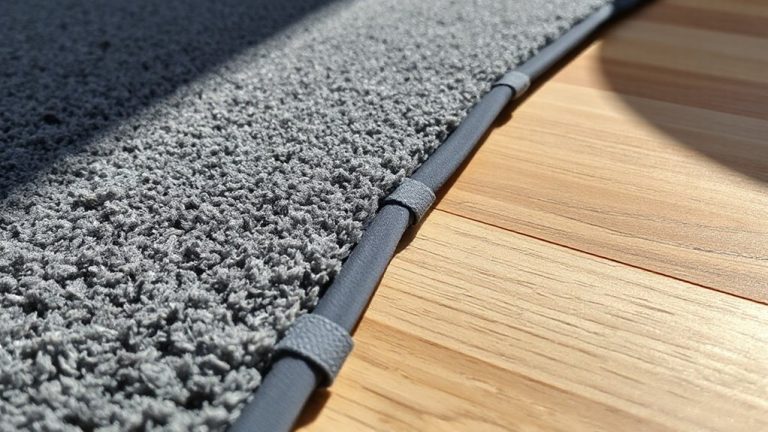
You can hide tripod and lighting cables in plain sight using camouflage cord covers that match your set’s base tones-like forest, desert, or urban-blending into floors, walls, or baseboards. Choose 2-inch-wide covers with hook-and-loop closures for easy access and a secure fit over standard cable bundles up to 0.75 inches thick. Neoprene offers durability; vinyl bends easier in tight spaces. Snap-on designs with adhesive backing allow repositioning, though seams may show up close. Use clips every 12–18 inches for reliable hold, especially on uneven surfaces where low-tack mounts help prevent damage. While these covers protect against light foot traffic and minor abrasion, they aren’t enough under heavy gear-inspect connections regularly and never skip voltage testing before powering up. Label cables beneath the covers for quick identification without removing them. Test placements during rehearsal under actual lighting to guarantee they stay hidden on camera. There’s more to getting it right-especially when balancing access, safety, and realism across multiple takes.
Notable Insights
- Use camouflage cord covers in neutral tones to blend cables with floors, walls, or baseboards for seamless set integration.
- Choose 2-inch-wide covers with hook-and-loop closures for easy access and secure fit on standard cable bundles.
- Match cover colors to set environments-forest, desert, or urban-to maintain visual continuity and reduce visibility.
- Install covers using adhesive mounts or clips every 12–18 inches after cleaning surfaces and planning the cable route.
- Inspect cables regularly during shoots and supplement camouflage with extra protection in high-traffic or high-movement areas.
Fix Cable Clutter With Camouflage Cord Covers
While managing cables might seem like a minor detail, using camouflage cord covers can make a noticeable difference in how clean and organized your workspace looks. You get immediate benefits from cable color matching-neutral tones blend into baseboards, floors, or walls, reducing visual distractions. These covers also support seamless set dressing integration, helping maintain the illusion of a lived-in environment without tripping over loose wiring. They’re easy to install, with snap-on designs that fit standard cable bundles up to 0.75 inches thick. Most models include adhesive backing that holds well on smooth surfaces but can be repositioned if needed. Still, they aren’t invisible-on close inspection, seams and edges are visible. Also, over-stuffing reduces flexibility and weakens adhesive grip. Choose based on placement and shot distance, not just convenience. Results vary depending on lighting and camera angles. For professionals managing multiple tools on set, maintaining an ergonomic workspace with gear like a Top Standing Desk Pick can further streamline productivity off-camera.
Choose the Right Camouflage Cord Cover for Your Set
Since not all camouflage cord covers work the same under studio conditions, you’ll want to pick one that matches both your set’s look and your shoot’s technical demands. Material selection affects durability and flexibility-neoprene lasts longer but vinyl bends easier. Color matching is just as critical; a wrong tone stands out on camera, ruining the illusion. Choose based on real-world performance, not just appearance.
| Feature | Recommendation |
|---|---|
| Material | Neoprene for durability, vinyl for tight bends |
| Width | 2” for standard cable bundles |
| Color | Match set’s base tones: forest, desert, urban |
| Closure | Hook-and-loop for quick access |
You’ll need covers that survive repeated use but still blend in. Test samples under lighting conditions similar to your shoot. While neoprene resists wear best, it’s stiffer-so use vinyl where routing is tight. Always prioritize color matching over material if forced to choose. A reliable option is selecting one of the top-rated cord covers based on independent performance tests.
Install Camouflage Cord Covers on Any Surface
You’ll get the cleanest look by securing camouflage cord covers directly to the surface they’re meant to blend with, using clips or adhesive mounts that match the cover’s width-usually 2”. Strong surface adhesion is critical, so clean the area thoroughly and press firmly when applying adhesive-backed mounts. For uneven or delicate surfaces, opt for low-tack adhesive to avoid damage. Cable routing stays neat when you plan the path first, minimizing sharp bends that could pinch wires. Use clips every 12–18 inches to maintain tension and conceal gaps. While most covers install quickly, test adhesion under set conditions-humidity or surface texture can reduce hold over time. Replacement clips and mounts are widely available, typically sold in packs of 25. Warranty varies from 6 months to a year, depending on brand. Though setup is straightforward, poor surface prep leads to shifting covers, so don’t rush it.
Keep Cables Safe and Hidden During Shoots
Once your camouflage cord covers are securely in place, the next step is protecting those cables during active shoots. You’ll want to make certain cable insulation remains intact to prevent shorts and maintain safety on set. Routinely check for wear, especially where cables bend or connect to power sources. Before powering up, always perform voltage testing to confirm there are no leaks or faults-this isn’t optional, it’s a baseline safety practice. Camouflage covers shield wires from light foot traffic and minor abrasion, but they don’t make cables indestructible. Avoid running them under heavy equipment or in high-movement zones without additional protection. While these covers blend lines into surroundings, they won’t fix poor cable management. Use tape or low-profile clamps only when necessary, and inspect connections between takes. A well-hidden cable is only effective if it’s also safe and functional throughout the shoot. For long-term setups, consider using clean desk cable routing techniques to maintain organization and reduce tripping hazards.
Pro Tips to Manage Cables Without Breaking Continuity
While maintaining a seamless shot is essential, managing cables effectively means planning your routes before cameras rolls-because even the best camouflage covers can’t hide tripped shots or last-minute repositioning. Start with cable labeling so your team knows which cord powers what, reducing guesswork during adjustments. Use color-coded tags or printed labels that stay legible under studio lights. Tension management is just as critical: secure cables with adhesive mounts or low-profile clamps to prevent sudden pulls, but leave slack where needed for subtle actor movements. Avoid over-tightening, which can damage insulation or shift gear. Camo cord covers help, but they’re not invisible-test placements in rehearsal under actual lighting. These steps keep continuity intact without sacrificing safety. While not flashy, disciplined routing, labeling, and tension control save time on set and reduce retakes. There’s no perfect solution, but these habits cut risks markedly.
On a final note
You should use camouflage cord covers to hide tripod and lighting cables on film sets-they work well on floors, walls, and baseboards. These flexible vinyl sleeves grip securely and blend into backgrounds, reducing visual clutter without tape or Velcro. Most hold cables up to 0.75 inches thick and stay put under foot traffic. But check seams between segments-they can snag boots. Test placement before rolling. Warranty usually covers splits, not crushing. They’re durable, but not invisible at close range.