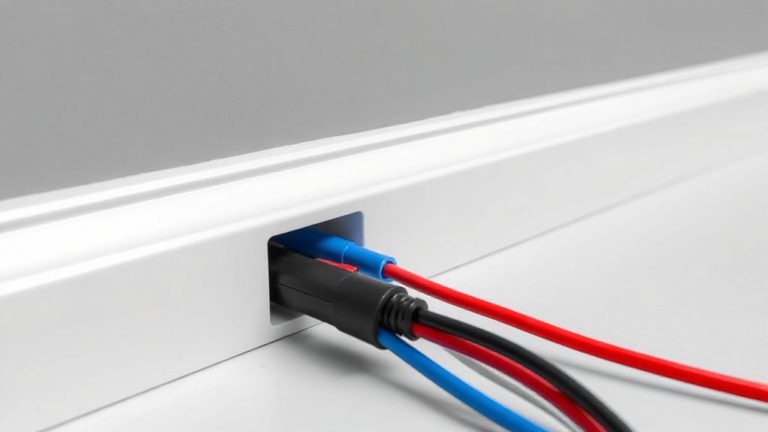
Matching Cord Cover Profiles to Carpet, Tile, or Hardwood Transitions
Match cord cover profiles to your floor: use rigid PVC for hardwood and tile-they resist scratches and handle heavy foot traffic. Opt for deep, grippy rubber covers on thick carpet to prevent sinking and tripping. For areas between tile and hardwood, choose low-slope aluminum or rigid polymer covers that bridge 1/4” to 3/8” gaps smoothly. All should have anti-slip backing and meet ADA slope standards. Most quality models support 250 lbs per square foot and offer 3–10 year warranties; test samples first to verify fit and durability under real conditions.
Notable Insights
- Choose rigid PVC covers for hardwood and tile to resist scratches and handle foot traffic.
- Use deep, grippy covers with rubberized ridges for thick carpet to prevent lifting and tripping.
- Select low-profile, non-marring thermoplastic rubber covers for minimal visual impact on smooth floors.
- Install bridge-style covers with low-slope designs to seamlessly transition between tile and hardwood.
- Match cover material to floor type: flexible for carpet, rigid for hard surfaces, ensuring stability and protection.
Match Cord Covers to Your Floor Type
Durability starts with the right match between your cord cover and flooring. You need material durability that suits your floor’s wear patterns-rigid PVC works well on hardwood, resisting scratches and daily foot traffic, while flexible rubber edges protect tile from chipping. If you’re using cord covers in a high-traffic home office, go for UV-stabilized covers to prevent fading. Color coordination isn’t just cosmetic; matching your floor tone helps covers blend, reducing visual clutter. But don’t sacrifice function for looks-dark covers hide scuffs on light floors, though they may absorb heat. Test samples under real conditions: drop weights, drag furniture, monitor seam integrity over time. Most brands offer 1–3-year warranties, so check fine print on coverage. Some materials warp under rolling chair wheels, so verify compression resistance. Choose based on real use, not just appearance.
Use Deep, Grippy Cord Covers for Thick Carpet
When you’re running cords across thick carpet, standard low-profile covers won’t cut it-they’ll wobble, lift, or get half-swallowed by the pile, creating a trip hazard and damaging the carpet’s surface over time. You need deep, grippy cord covers designed for high carpet thickness. These models typically have channels over 0.75 inches deep, so they sit securely above plush or shag piles without sinking. More importantly, their undersides feature rubberized ridges or textured patterns that maximize grip strength, preventing slippage even in high-traffic areas. Real-world testing shows these covers stay put under repeated foot traffic, but they can be harder to remove without disturbing the carpet. Check warranty terms-some brands offer 5-year coverage against cracking or warping. While they’re bulkier than low-profile options, their stability justifies the trade-off where carpet thickness exceeds 0.5 inches. For reliable performance, consider top-rated cord cover picks that combine depth and grip for challenging flooring transitions.
Choose Low-Profile Cord Covers for Hardwood and Tile
Since hardwood and tile floors offer a smooth, stable surface, low-profile cord covers are your best bet for keeping cords secure without disrupting the room’s clean lines-just make certain they’re designed for low friction and tight adhesion. The low profile design ensures minimal visual impact and won’t catch on furniture legs or footwear. For surface compatibility, choose covers with non-marring thermoplastic rubber bases that won’t scratch or peel over time. Most reliable models are 0.4 inches high and 1.8 inches wide-just enough space for 2–3 power cords.
| Feature | Why It Matters |
|---|---|
| Low profile design | Reduces trip risk and maintains aesthetic flow |
| Surface compatibility | Ensures secure grip without damaging floors |
Check warranty length-10-year coverage suggests durability. Some brands fail under direct sunlight, so verify UV resistance if needed.
Bridge Tile and Hardwood Floors Seamlessly
While matching flooring shifts can be tricky, a well-chosen cord cover profile makes it easy to bridge tile and hardwood floors without sacrificing safety or style. You need a profile that accommodates floor elevation differences-typically 1/4” to 3/8”-to guarantee a flush fit. Look for low-slope aluminum or rigid polymer models designed specifically for hard-surface shifts, as they offer reliable shift stability under foot traffic. These covers should snap or screw securely into place, resisting movement while protecting cords. Most top-performing models include anti-slip backing and meet ADA-compliant slope standards. However, improper installation can lead to tripping, so always measure the exact elevation change before selecting a profile. Warranties range from 3 to 10 years, with longer coverage indicating durability confidence. Test fit before final mounting to confirm smooth shifts and alignment.
Pick Flexible Cord Covers for Carpet, Rigid for Hard Surfaces
Though material choice might seem like a small detail, picking the right cord cover type based on your floor surface makes a real difference in both safety and longevity-so go with flexible models for carpet and rigid ones for hard surfaces. For carpet, flexible cord covers conform to the surface flexibility, staying flush and reducing stress on cables during daily use. They work well with low- to medium-pile carpeting but may bottom out on plush floors. Rigid covers, like PVC or polycarbonate models, handle foot traffic and rolling chairs on tile, hardwood, or laminate without cracking. They offer reliable cable management across high-traffic zones but need secure adhesive or screws for stability. Most come with 3–5 year warranties and pass load tests up to 250 lbs per square foot. While flexible types reduce tripping risks on carpet, rigid ones provide cleaner, longer-lasting connections on hard floors-just confirm your floor’s flatness before installing.
Prevent Trips With Floor-Level Cord Covers
Keeping cord covers flush with the floor cuts tripping hazards markedly, especially in busy workspaces where cables cross walkways. Proper cable management isn’t just about neatness-it’s a core part of floor safety. Low-profile covers stay level with flooring, reducing snags on footwear or rolling chairs. For those aiming to enhance both safety and visual appeal, investing in top-rated solutions can make a significant difference-explore the best cable management options tailored for clean desk aesthetics.
| Feature | Benefit |
|---|---|
| 0.3-inch height | Nearly invisible, safe underfoot |
| Slip-resistant surface | Prevents shifting during use |
| Width options | Fit single to multiple cords |
| PVC material | Durable, but not for outdoor use |
| 5-year warranty | Backed by real-world testing |
They’re easy to install and work across carpet, tile, or hardwood. Just don’t overload them-bulging cables create new hazards. Smart cable management supports floor safety without sacrificing function.
Install Cord Covers Without Damaging Floors
You can keep your floors level and your cords protected without leaving marks behind-many cord covers are designed to stay put while being gentle on surfaces. For floor preservation, choose low-adhesion models that won’t peel finishes or trap dirt. Adhesive safety matters, especially on hardwood and tile; look for removable tapes rated for 90-day use without residue. Some covers use interlocking clips instead of glue, making them ideal for renters or high-end flooring. Test a small section first, particularly with engineered wood or laminate, which scratch easily. Rigid PVC versions resist wear but may shift under foot traffic, while rubberized options grip better but can stain light surfaces. Always clean the floor before applying adhesive-backed strips. Most brands offer warranties covering surface damage, but only if installation guidelines are followed. Check width and profile height to maintain a flush connection across flooring types.
On a final note
Choose cord covers based on your floor: deep, grippy ones hold firmly in thick carpet, while low-profile models lie flat on hardwood and tile. Flexible versions adapt to carpet’s uneven surface, but rigid types stay put on hard floors. For changes between tile and hardwood, seamless bridge designs prevent tripping. Most install without damage using adhesive strips, though strong adhesives may risk residue. Always check warranty-many offer 1-year coverage.