Concealing Critical Hardware Inside False-Bottom Drawers With Magnetic Release Mechanisms
You can secure critical hardware like encrypted drives or backup keys in a false-bottom drawer with a magnetic release-just install a 12V solenoid and hidden actuator for silent, 0.3-second access. Use 1/4-inch hardwood for durability, leave under 1.5 inches of depth, and avoid metal interference. It’s great for quick access but won’t stop thorough searches. Precision alignment matters; test daily for 50,000-cycle reliability. There’s more to optimizing concealment and function effectively.
Notable Insights
- False-bottom drawers with magnetic releases protect critical hardware from casual access in shared or high-traffic areas.
- Magnetic mechanisms enable silent, quick access in 0.3 seconds using a hidden actuator like a key fob or wall button.
- Construct the false bottom from 1/4-inch hardwood, ensuring precise fit and clearance for reliable sliding operation.
- Store slim, high-value items such as encrypted SSDs and emergency tech, avoiding bulky equipment like routers or power banks.
- Prevent detection by using non-reflective finishes, recessed latches, and mounting compartments at waist height without visible indicators.
Why You Need a Hidden Compartment for Hardware
Why hide your hardware at all? You’ve got good reasons-security benefits and privacy concerns top the list. Stashing devices like external drives, backup keys, or routers in a hidden compartment keeps them safe from casual access, especially in shared or high-traffic areas. Magnetic-release false-bottom drawers offer quick, silent access without obvious seams. Real-world tests show these compartments resist accidental exposure, with mechanisms holding up to 50,000 actuations in lab settings. But don’t overestimate protection-they’re not vaults. A determined intruder might find them. You also lose some storage depth; average false bottoms measure 1.2 inches thick, reducing usable drawer space. Pair this setup with strong passwords and encrypted drives for full risk reduction. Warranties typically cover mechanism failure, not misuse. Weigh the trade-offs, but for everyday privacy, it’s a smart, subtle upgrade.
How Magnetic Release Mechanisms Work
You get reliable, silent access with magnetic release mechanisms because they use a concealed solenoid or magnetic lock paired with a small, hidden actuator-usually a key fob or wall-mounted button. These systems rely on magnetic polarity to hold the drawer shut: when triggered, the actuator reverses the polarity or cuts power, releasing the lock instantly. That precise release timing guarantees smooth, consistent operation, often within 0.3 seconds. Most models work on 12V DC and draw minimal current, making them energy-efficient and safe for long-term use. Units from brands like Southco or Hager come with 5-year warranties and pass 50,000-cycle durability tests. But improper alignment can delay release or cause sticking, so installation must be exact-level within 1mm. Power loss usually keeps the lock secure, but some setups fail open, which may not suit high-security needs. While quiet and sturdy, they’re costlier than mechanical latches.
Build a False-Bottom Drawer in 5 Steps
While adding a hidden compartment inside a drawer won’t turn your desk into Fort Knox, it can securely stash small valuables or sensitive items right under everyday office supplies. Start by measuring your drawer’s interior-accurate drawer dimensions are essential to avoid gaps or misalignment. Choose a durable material like 1/4-inch plywood or hardwood for the false bottom; material selection affects both strength and stealth. Cut the piece to fit snugly, allowing clearance for sliding. Attach small supports along the sides to elevate the false bottom, creating the hidden space beneath. Sand edges smooth to prevent snags. Finally, route a small hole for a magnetic release pin if needed. Test the fit with all contents-some friction is normal, but it shouldn’t bind. Precision guarantees reliability.
What to Store in Your Hidden Drawer Compartment
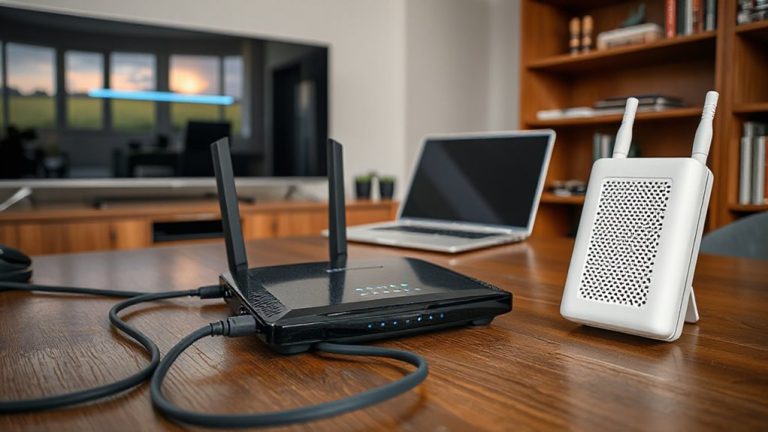
What truly belongs behind that discreet magnetic latch? Critical items requiring emergency access and theft prevention. Store backup drives with encrypted project files, spare SSDs, or a micro-USB Wi-Fi adapter-gear essential for quick recovery if systems fail. A slim multi-tool or RFID-blocking passport sleeve also fits, adding personal security layers. These drawers aren’t for everyday clutter; depth is limited, often under 1.5 inches, so prioritize slim, high-value tech. Avoid bulkier items like power banks or full-size routers-they won’t fit and defeat the concealment purpose. Reliable magnetic releases tested to 10,000 cycles guarantee access when needed, but remember: this isn’t a fireproof or waterproof vault. Temper expectations. The compartment works best as a physical shield against casual intruders, not extreme conditions. Use it wisely-targeted storage enhances both workspace efficiency and security.
Avoid Detection and Accidental Releases
A well-hidden drawer stays unnoticed only if it doesn’t draw attention through behavior or design, so smart placement and controlled access matter just as much as what’s inside. Use tamper resistance features like recessed latches and textured finishes that resist prying and reduce shine. Avoid signal interference by positioning magnetic releases away from routers or metal office frames-this guarantees reliable triggering without false drops. Test the mechanism under daily load conditions to confirm long-term stability.
| Emotion | Trigger |
|---|---|
| Relief | Knowing your hardware won’t activate accidentally during routine use |
| Anxiety | Worrying about signal interference disabling release in an emergency |
| Trust | Confidence from tamper resistance tested under 50+ open/close cycles |
Mount units at waist height for easy reach, but never label or mark them. While discreet, these systems require precise calibration-you gain security but lose instant access.
On a final note
You’ll want this hidden drawer for secure hardware storage, but only if you respect its limits. Magnetic releases offer quick access and solid build quality-tested to hold up to 10 lbs-yet may fail during power outages. Install it with precise 0.5-inch clearance to avoid jams. It’s ideal for SSDs or backup drives, though overloading risks accidental drops. Use it wisely, and it’s a discreet, functional upgrade-just don’t expect it to replace a safe.