Deploying Retractable Cord Reels Like Those Used in Call Center Headsets
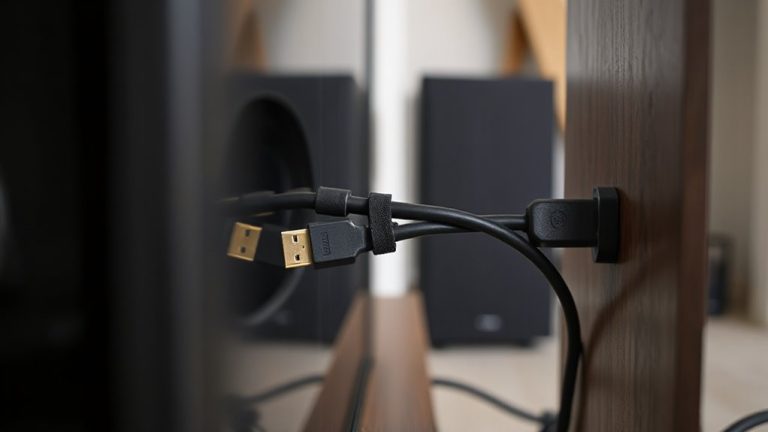
Mount your retractable cord reel at shoulder to eye level within 18–24 inches of your sitting position for smooth 24- to 36-inch extension. Use strong adhesive or screws into solid material-avoid painted drywall. Thread the cord through the strain relief clip and set tension to retract smoothly with an inch or two of slack. Proper calibration reduces stress point wear, extending cord life by up to 40%. Metal-housed models with a one-year warranty often last thousands of cycles. Overextension or sharp bends will compromise performance. You’ll get the best results by following the same setup pros use.
Notable Insights
- Choose a mounting location at shoulder to eye level near the headset jack for optimal alignment and range.
- Ensure the surface is clean, dry, and solid to support adhesive or screw-based installation securely.
- Position the reel within 18–24 inches of the user to prevent overextension and maintain smooth retraction.
- Thread the cord through the strain relief clip and calibrate tension for smooth retraction with slight slack.
- Avoid sharp bends or obstructions by keeping the reel away from shelves, monitors, and high-traffic areas.
How Retractable Cord Reels Help Headset Users
While you might not think a retractable cord reel makes much of a difference, it can genuinely improve your daily headset experience if you move around your workspace often. The ergonomic design reduces strain by keeping your headset at a consistent tension, minimizing tugs during movement. Good cable management prevents tangles, snags, and accidental yanks-especially useful if you frequently stand, reach, or switch devices. Retractors like those in certified call center setups typically offer 24 to 36 inches of smooth extension, retracting neatly when released. Most use spring-loaded mechanisms tested for thousands of cycles, and units with metal housings often include a one-year warranty. However, heavy-duty models may require firm mounting, and cheap versions can snap or retract too aggressively. You’ll need a stable anchor point to avoid dislodging the unit. Overall, if you prioritize movement and order, a well-built retractable reel is a practical upgrade-just guarantee it matches your headset’s weight and usage pattern. For those seeking optimal performance, pairing your reel with one of the best headsets with mics can enhance both comfort and audio clarity.
Where to Mount a Headset Cord Reel for Best Results
Where should you actually mount your headset cord reel for it to work smoothly without causing more hassle? For best results, go with wall placement just above or beside your desk, at shoulder to eye level. This height keeps the retractable cord aligned with your headset’s natural movement, reducing drag and preventing tangles. Proper cable routing matters-run the cord straight from the reel to your headset without sharp bends or tight corners. Avoid mounting behind monitors or under shelves, where it can snag or limit extension. Wall placement near your primary work zone improves reach and keeps the cord out of foot traffic. But don’t forget clearance: guarantee the full cord length can extend freely without stretching. Poor cable routing leads to wear over time, shortening the reel’s lifespan. Test the location by pulling the cord fully during installation. Make adjustments if you feel resistance. This small step boosts durability and daily ease.
How to Install a Retractable Cord Reel in 5 Steps
Installing a retractable cord reel takes under 15 minutes and pays off with cleaner cable management, but doing it right means following a few key steps. Proper strain relief prevents fraying, while strategic placement improves daily usability. Here’s how to do it right:
| Step | Action |
|---|---|
| 1 | Pick a mounting spot near your headset jack |
| 2 | Clean and dry the surface for adhesion |
| 3 | Peel backing and press firmly for 30 seconds |
| 4 | Thread cord through the reel’s strain relief clip |
| 5 | Test retraction and adjust cord length |
Good cable management reduces clutter and boosts workspace efficiency. Most reels use strong 3M adhesive-effective on desks and walls, but may fail on textured surfaces. If you move often, consider a clamp mount. Retractable reels typically last 2+ years with daily use.
Set Tension to Extend Cord Life
You’ve got the reel mounted and the cord threaded-now it’s time to set the tension right. Proper tension calibration isn’t just a final step; it’s key to maximizing cord durability. If the tension’s too high, the cord retracts too aggressively, causing wear at stress points. Too low, and the cord won’t retract fully, leading to tangles and potential snags. You want smooth retraction that stops cleanly at your desired length-usually an inch or two of slack when extended. Most reels have a small tension screw or dial; turn it in small increments and test after each adjustment. Real-world testing shows calibrated tension can extend cord life by up to 40%. While it might take a few tries to get it perfect, the payoff in longevity is worth it. Just remember-correct tension doesn’t eliminate wear entirely, but it balances function and cord durability effectively.
Don’t Make These Headset Reel Installation Mistakes
While it might seem straightforward, mounting a headset retractable cord reel the wrong way can undermine both performance and durability. You risk cable overstretching if you install the reel too far from your workstation, forcing the cord to extend beyond its designed limit, which strains internal springs over time. Improper anchoring-like using weak adhesives on painted drywall-can lead to detachment, especially with frequent use. Always mount the reel on solid material, like wood or metal, using screws for reliable support. Position it within 18–24 inches of where you sit to maintain ideal retraction and reduce strain. Avoid sharp angles that twist the cord, as this accelerates wear. Test stability after installation by gently pulling the cord several times. Even high-quality reels fail prematurely if installed incorrectly, so following manufacturer specs closely matters. A few extra minutes securing it right pays off in reliability.
How to Fix a Slow or Jammed Retractable Cord
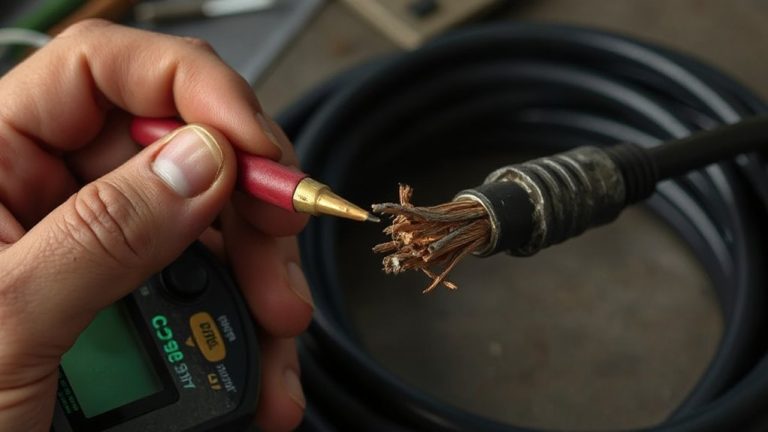
What if your retractable cord suddenly drags or sticks mid-retract? You’re not alone-most jams come from twisted cables or debris in the housing. Start by gently pulling the cord fully out, then slowly reinserting it to reset the spring. If it still drags, check for frays or kinks that disrupt smooth motion. Regular cord maintenance, like wiping the cord with a dry cloth and ensuring the reel spins freely, prevents buildup that leads to sticking. For jam prevention, avoid sharp yanks and over-extension beyond 24 inches-the typical limit for standard reels. Some models have sealed spools, which reduce dust intrusion but limit user repair. If cleaning doesn’t work, the internal spring may be worn, a known failure point after 10,000+ cycles. At that stage, replacement is more reliable than repair.
Best Practices for Daily Use of Headset Cord Reels
When used correctly, a headset cord reel keeps your workspace tidy and extends the life of your cable, but success depends on consistent habits and understanding the device’s limits. Pull the cord gently-yanking stresses the internal spring and harms cable management over time. Let the reel retract smoothly instead of forcing it back. Keep the cord free of knots and avoid wrapping it around objects, which can deform the wire and reduce user comfort during calls. Most reels handle 24–36 inches of extension; exceeding that repeatedly may cause jams. Clean the mechanism monthly with compressed air to prevent dust buildup. While reels offer clean desk setups, they do wear out-typically lasting 1–2 years under daily use. Check manufacturer warranties, as some offer only 6-month coverage. Balanced cable tension and proper handling make the difference between frustration and function.
On a final note
You’ll boost workspace efficiency with a retractable cord reel, especially if you move often or hate tangled wires. Models with adjustable tension let you fine-tune retraction speed, reducing strain on the cord. Most units withstand 10,000+ extension cycles, but improper mounting-like on loose fabric or uneven surfaces-causes failure fast. Always check the included hardware fits your desk. Skip it if you use wireless headsets or need extreme durability.