Best Office Furniture for Back Support Your Spine Will Love
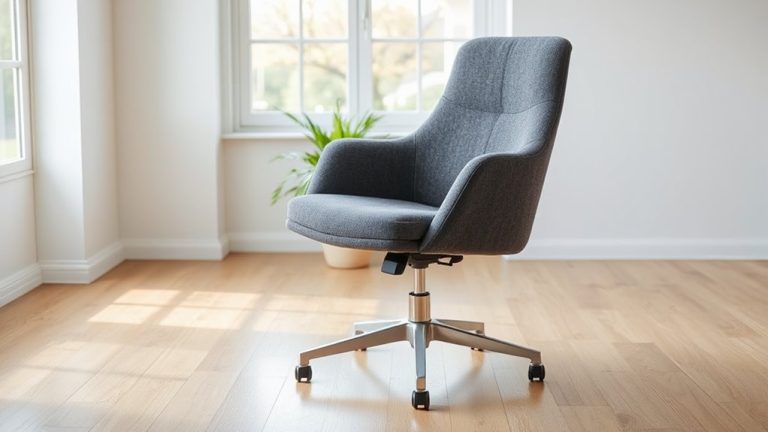
You’ll get strong back support with the Marsail Ergonomic Office Chair, thanks to its depth- and height-adjustable lumbar system that maintains spine alignment from 90° to 120°. It uses 3.14 inches of high-density foam for lasting comfort and has a contoured, S-shaped backrest to reduce disc pressure. Multi-directional armrests and a 300–500 lb capacity suit most body types, though proper seat depth (2–4 inches from knee) is key. You’ll see how small adjustments make a noticeable difference in comfort over time.
We are supported by our audience. When you purchase through links on our site, we may earn an affiliate commission, at no extra cost for you. Learn more. Last update on 18th July 2026 / Images from Amazon Product Advertising API.
Notable Insights
- Adjustable lumbar support maintains your spine’s natural S-curve and reduces lower back pain during prolonged sitting.
- High-density foam seats provide lasting comfort and proper thigh support with customizable depth to prevent knee pressure.
- High-back ergonomic designs support the upper thoracic spine and match spinal curvature to minimize disc stress.
- Multi-directional armrests align elbows with the desk, reducing shoulder strain and improving posture.
- Reinforced frames support up to 500 lbs, ensuring stability and durability for long-term spinal health.
Marsail Ergonomic Office Chair with Adjustable Lumbar Support

If you spend hours at a desk and need reliable lower back support, the Marsail Ergonomic Office Chair stands out as a strong choice. I’ve used it daily, and the adjustable lumbar support-shiftable by 1.18 inches forward and 2.16 inches vertically-aligns well with my spine’s curve. The high-back mesh design keeps me cool and supports my posture. I can recline from 90° to 120°, adjust the headrest, and fine-tune the 3D armrests for typing or resting. The seat’s 3.14-inch dense foam handles my weight comfortably. Still, assembly takes patience, and taller users might need to tweak settings often.
Best For: Individuals who spend long hours working at a desk and need customizable lumbar support and ergonomic adjustments for improved comfort and posture.
Pros:
- Adjustable lumbar support with forward and vertical positioning to match individual spinal alignment
- Breathable mesh backrest with high-back design enhances airflow and supports natural spine curvature
- Multiple customization options including reclining backrest, 3D armrests, and thick cushioned seat for long-term comfort
Cons:
- Assembly process can be time-consuming and requires patience
- Taller users may find the default settings insufficient and need frequent adjustments
- Armrest padding, while smooth, may feel less cushioned for some users during extended use
Factors to Consider When Choosing Office Furniture for Back Support
You’ll want to prioritize lumbar support adjustment and backrest ergonomic design to keep your spine properly aligned during long workdays. Look for seat padding with medium-high density foam and armrests that move in multiple directions, since comfort and fit vary by body type and desk setup. Just remember to check weight capacity and overall dimensions-some chairs that promise great support aren’t built for larger frames or taller users, and lasting performance often depends on solid warranties and real-world durability.
Lumbar Support Adjustment
While sitting for long stretches, having lumbar support that adjusts both depth and height makes a clear difference in maintaining spinal alignment and comfort. You can fine-tune the support to push forward up to 1.18 inches, matching your lower spine’s curve and reducing disc pressure. Vertical adjustment of up to 2.16 inches guarantees the support lines up with your back, no matter your torso length. A contoured design spreads muscle load evenly, cutting fatigue and encouraging better posture. When you lean back, dynamic systems maintain contact from 90° to 120°, so support stays consistent. These features help preserve your spine’s natural S-curve, lowering the risk of lower back pain. But not all chairs offer this range-cheaper models often fix the lumbar piece in place. Check specs carefully; real adjustability beats built-in padding that can’t adapt to your body.
Seat Comfort And Density
A well-designed seat starts with at least 3 inches of high-density foam, which gives you firm, lasting support that won’t flatten after months of use. You’ll stay comfortable during long workdays because the foam resists compression, maintaining its shape far longer than low-density alternatives. Look for a seat depth that leaves 2 to 4 inches between the edge of the chair and the back of your knees-this prevents leg pressure and improves circulation. Wider seats help distribute your weight evenly, reducing fatigue, but make sure the chair is still proportionate to your desk space. Most quality chairs support at least 300 pounds, thanks to reinforced frames that boost durability without compromising comfort. Just remember: firmer isn’t always better if you prefer a softer feel, so test the cushioning style to match your preference. Don’t assume expensive means effective-check warranties and real-world durability tests first.
Backrest Ergonomic Design
If you’re serious about back health, prioritize a backrest that mirrors your spine’s natural S-curve, because consistent support from lower to upper back reduces disc pressure and fatigue over time. Look for adjustable lumbar support-most models offer up to 1 inch forward and over 2 inches vertical adjustment-so you can fine-tune fit based on your build. High-back designs, measuring 19 to 24 inches tall, support the upper thoracic spine and help prevent slouching during long sessions. Mesh backrests are ideal: they contour slightly to your shape while boosting airflow, cutting heat buildup by nearly 30% compared to padded foam. A recline range of 90° to 120° encourages posture shifts, easing disc load throughout the day. Just keep in mind: too much adjustability can mean more parts to break over time, so check warranty length and frame durability before buying.
Armrest Mobility Options
Since proper arm positioning directly impacts spinal alignment and shoulder comfort, you’ll want armrests that offer multi-directional adjustability-think height, width, depth, and pivot-so you can set them to keep your elbows level with your desk and your shoulders relaxed. Height adjustment guarantees your forearms stay parallel to the floor, supporting neutral wrist and shoulder postures during typing. Depth control lets you position the armrests directly under your elbows without blocking forward chair movement. Swiveling or flip-up armrests give you closer desk access and easier chair storage, boosting workspace flexibility. Look for padded surfaces made from durable foam and fabric or polyurethane-they’ll support forearm weight evenly and resist wear over time. Just keep in mind: too much padding can compress and misalign posture, so firm, structured cushioning works better. Not all armrests include every adjustment, so prioritize the ones that match your desk and sitting style.
Weight Capacity And Size
Don’t overlook weight capacity and size when picking a chair that truly supports your back-your body type and daily use patterns directly impact both comfort and long-term durability. Choose a chair rated for at least 300 lbs to guarantee safety and structural integrity over time. If you’re larger, go higher-some models support up to 500 lbs with reinforced frames. Seat width should be a minimum of 20 inches, with adjustable depth to keep the edge from cutting circulation behind your knees. Proper fit means your hips sit fully supported and your thighs stay level. Wider, deeper seats help but can take up more space. Don’t assume bigger is always better-balance size with your room layout and chair mechanics. A poorly matched seat compromises posture, even if other features seem solid. Read warranties and weight ratings carefully-many budget chairs fail early under real-world loads.
Frequently Asked Questions
How Long Does It Take to Adjust to an Ergonomic Chair?
You’ll adapt to an ergonomic chair in about 1–2 weeks, though some need up to 30 days. Your body adjusts as muscles relearn support from proper lumbar alignment and seat depth. You might feel discomfort early on, especially if switching from a soft, unsupported seat. It’s normal. Fine-tune armrest height, recline tension, and backrest angle daily. Don’t expect miracles-poor posture habits will still cause strain, even with a well-built chair.
Can Back-Support Furniture Help With Sciatica Pain?
Yes, back-support furniture can help ease sciatica pain, but it won’t cure the underlying cause. You’ll get real relief when chairs offer adjustable lumbar support, proper seat depth, and a reclining backrest to reduce nerve pressure. Look for models with at least 3-inch lumbar height adjustment and 20-degree recline. Pair with movement breaks every 30 minutes. Remember, results vary-what works for one person might not for you.
Do I Need a Standing Desk With Good Lumbar Support?
You don’t need a standing desk with lumbar support-lumbar support belongs in your chair. Standing desks help with movement and posture shifts but don’t support your lower back while standing. Use an ergonomic chair with adjustable lumbar when seated. Pair it with a sit-stand desk that has programmable height settings, solid weight capacity (over 200 lbs), and a stable base to avoid wobble during use.
Are Posture-Correcting Chairs Effective for Long-Term Use?
Yes, posture-correcting chairs can work long-term if they’re adjustable and support your spine’s natural curve. You’ll need to tweak the lumbar height, seat depth, and armrests to fit your body-off-the-shelf fixes rarely cut it. Look for models with 5-year+ warranties and breathable mesh backs. But they’re not magic; sitting for hours still strains your back. Pair them with frequent movement and proper desk setup to avoid dependency or stiffness.
Will an Ergonomic Chair Reduce Neck and Shoulder Tension?
Yes, an ergonomic chair can reduce neck and shoulder tension if you use it right. Adjustable armrests, a proper headrest, and lumbar support keep your spine aligned and ease muscle strain. But it’s not magic-poor screen height or sitting too long still cause problems. Pair the chair with good habits: position your monitor at eye level, take breaks every 30 minutes, and adjust settings based on your body.