How to Use Circadian Lighting to Improve Mood and Reduce Seasonal Affective Symptoms
Use circadian lighting to improve your mood by mimicking natural daylight-start mornings with bright, blue-rich light (5000–6500K) at 300–600 lux to reset your rhythm and boost alertness, then shift to warm, dim light (below 3000K) in the evening to support melatonin. Pair this with a dawn simulator or tunable LEDs like Philips Hue, but check for consistent color temperature and minimal blue leakage. Most office bulbs fall short, so verify specs carefully-your routine matters as much as your gear. You’ll see better results when timing and intensity align with real-world needs.
Notable Insights
- Expose yourself to bright, blue-rich light (300–600 lux) within an hour of waking to synchronize circadian rhythm and boost alertness.
- Use 10,000 lux light therapy for 20–30 minutes in the morning to mimic natural sunlight and reduce seasonal affective symptoms.
- Choose high-CRI, tunable white light bulbs (2700K–6500K) to support melatonin regulation and improve visual comfort throughout the day.
- Gradually shift lighting from cool to warm tones (below 3000K) in the evening to promote melatonin production and support sleep.
- Automate lighting schedules with dimmable, low-blue LEDs to maintain consistent circadian cues and reduce mood disruptions.
Why Poor Light Exposure Makes Winter Blues Worse
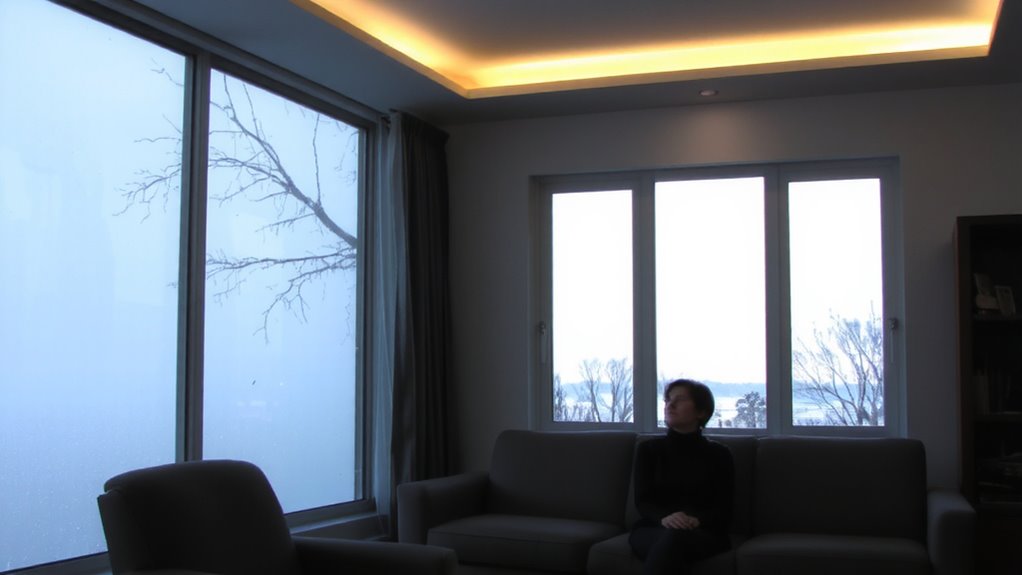
You’re likely feeling more sluggish or down during winter because shorter days and weaker sunlight disrupt your circadian rhythm, the internal clock that regulates sleep, mood, and energy. Light deprivation throws this system off, reducing serotonin and melatonin regulation, which deepens emotional fatigue and dulls focus. Without sufficient bright-daylight exposure-ideally 10,000 lux for 30 minutes in morning-your body doesn’t get the signal to stay alert and balanced. This is especially true if you spend most of your day indoors, away from natural windows or full-spectrum light. While portable light therapy lamps can help, many lack intensity or emit harsh blue light that strains eyes. Look for devices with medical testing, adjustable brightness, and flicker-free performance, but understand they’re not FDA-approved cures. Results vary-some report improved energy within days; others see minimal change. Consistency matters more than gear.
Use Circadian Lighting to Reset Your Body Clock
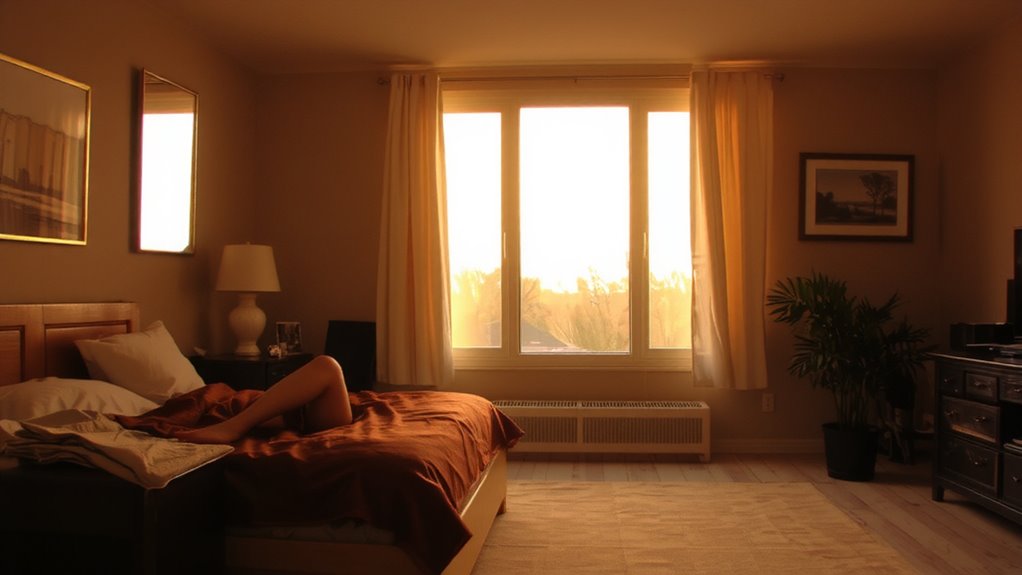
How can you align your mood and energy with the seasons when natural light falls short? You can use circadian lighting to reset your body clock by mimicking the sun’s daily patterns. Exposure to bright, blue-rich light in the morning boosts alertness and strengthens your biological rhythm, while warmer, dimmer light in the evening signals it’s time to wind down. Consistent use of light therapy-especially within an hour of waking-can improve sleep and reduce seasonal affective symptoms for many people. Devices like dawn simulators or tunable LED panels work well, but effectiveness depends on timing, intensity (typically 300–600 lux at desk level), and daily routine. Results vary; some users notice changes in 1–2 weeks, while others see little benefit. Stick to reputable models with solid warranties and verified brightness specs. Don’t expect miracles, but used wisely, these tools support healthier rhythms when sunlight isn’t enough. For effective treatment, consider using one of the best light therapy lamps designed for home use.
Pick Light Bulbs That Match Sunlight’s Color Temperature
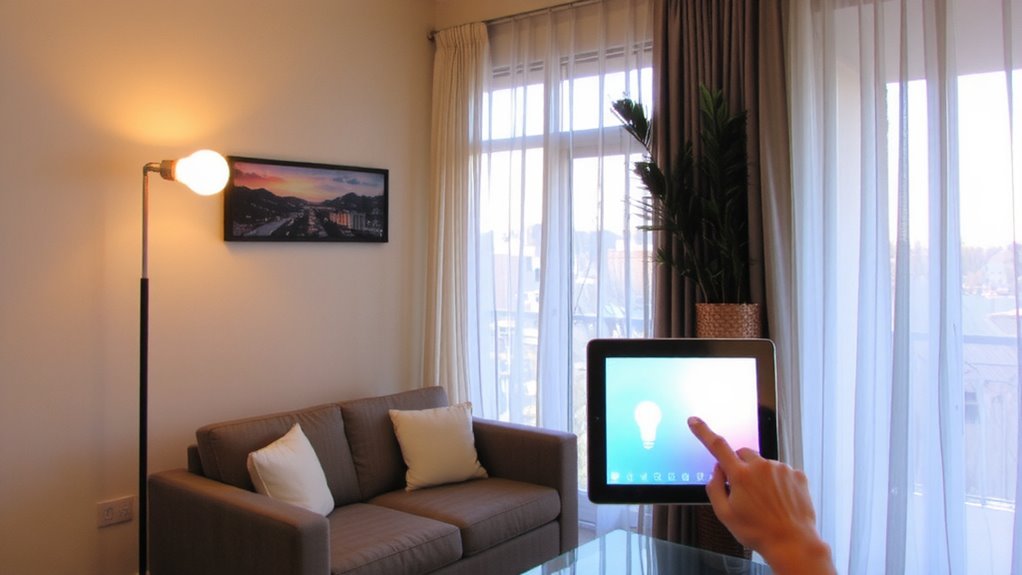
Lighting that tracks the sun’s natural color temperature cycle supports better mood and focus, building on the timing strategies from morning light exposure. You’ll want bulbs that shift from cool (5000–6500K) at midday to warm (2700K) in the evening. Look for high color accuracy (CRI 90+) so objects appear true to life, reducing eye strain during long tasks. Better spectral quality means the light closely mimics natural sunlight, which helps regulate melatonin and alertness. Not all “circadian” bulbs deliver-some exaggerate claims without independent testing. Choose models with published spectral graphs and decent warranties (at least 3 years). Smart bulbs offer flexibility but can lag in brightness or require hubs. Fixed-color LEDs are simpler and more reliable. Results depend on consistent use and proper placement-not just the bulb itself. Real-world performance varies by room size and fixture type. The Philips Hue White and Color Ambiance bulbs integrate seamlessly with smart home systems and allow precise color temperature tuning throughout the day.
Boost Energy With Bright Morning Circadian Light
A bright morning light routine is one of the most effective ways to reset your circadian rhythm and boost daytime energy, especially during darker months or if you’re prone to seasonal affective disorder. Exposure to high-intensity light soon after waking can sharply improve morning energy and focus. For best results, aim for 10,000 lux at eye level for 20–30 minutes. Look for lamps with adjustable brightness and stable, matte finishes to avoid glare. Many best desk lamps are specifically designed to reduce eye strain while providing the necessary light intensity for circadian support.
| Time of Use | Light Intensity | Purpose |
|---|---|---|
| 6–8 AM | 8,000–10,000 lux | Alertness |
| 8–10 AM | 5,000–8,000 lux | Focus |
| 10 AM–12 PM | 3,000–5,000 lux | Sustained energy |
| Overcast day | 1,000–2,000 lux | Mild boost |
| Indoors | <500 lux | Insufficient |
Position your light 18–24 inches from your face. Results vary-some users report improvement in 3–5 days.
Wind Down With Warm, Low-Blue Light at Night
You’ve powered through the morning with bright, high-lux lighting to kickstart alertness and focus-now it’s just as important to dial things back when evening rolls in. As darkness falls, shift to warm, low-blue lighting to support melatonin production and ease your body into rest. Look for bulbs or fixtures that emit an amber glow below 3000K color temperature, ideally between 1800K and 2200K for ideal evening calm. These wavelengths minimize circadian disruption more effectively than standard warm-white LEDs. Use dimmable lamps in living or bedroom spaces, placing them lower in the room to reduce glare and promote relaxation. Avoid smart bulbs with inconsistent spectral output-some claim “sunset mode” but still leak blue light. While effective, these changes require routine adherence; even brief exposure to cool, bright light at night can delay sleep onset. Consistency matters most.
Automate Your Circadian Lighting for Consistency
Often, the easiest way to maintain consistent circadian lighting is by automating your setup-because even small lapses, like flipping on a cool-white overhead light after dinner, can disrupt melatonin and delay sleep. You can rely on smart scheduling to adjust color temperature and brightness throughout the day, mimicking natural sunlight without daily effort. System integration with platforms like Apple Home, Google Home, or Thread guarantees your lights respond accurately to time and occupancy. Look for fixtures with tunable white LEDs (2700K to 6500K) and dimming down to 10% for full control. While setup takes some initial work, automation reduces decision fatigue. Just be certain your bulbs or panels support reliable firmware updates and have at least a two-year warranty. Some systems may require a hub, adding cost and complexity, so weigh convenience against your actual usage needs.
Pair Circadian Lighting With Proven SAD Strategies
While circadian lighting can help regulate mood and energy, it works best when combined with established SAD treatments rather than replacing them. Pair your lighting system with daily light therapy using a medically rated 10,000-lux lamp for 20–30 minutes each morning. This dual approach supports stronger emotional regulation and more reliable symptom relief. Studies show combining environmental light cues with targeted light therapy yields better outcomes than either method alone.
| Strategy | Benefit | Consideration |
|---|---|---|
| Circadian lighting | Steady daytime alertness | Requires smart controls |
| Light therapy box | Fast symptom relief | Needs daily discipline |
| Combined use | Improved emotional regulation | Best with morning routine |
Consistency matters-automate lights and schedule therapy sessions to build a sustainable routine, especially during darker months.
On a final note
You should try circadian lighting to ease seasonal mood dips-it’s proven to help regulate sleep and energy. Use 4000–5000K bulbs in the morning, then switch to 2700K at night to match natural light shifts. Look for dimmable, tunable LED fixtures with a CRI over 90 for true color. Set timers or smart bulbs for consistency. But it’s not a standalone fix-pair with outdoor light exposure and proven SAD treatments. Results vary; some see gains in two weeks, others less.