Leveraging Natural Sunlight Through Open Curtains to Reset Internal Clock for Work-From-Home Success
Open your curtains right after waking to reset your internal clock with natural light-this simple habit sharpens focus for remote work by suppressing melatonin and aligning your circadian rhythm. East- or south-facing windows work best, but even cloudy morning light beats indoor lighting. Pair this with consistent wake times and limited evening screen use for real results. Full-spectrum bulbs (5000K, 400+ lumens) help if you’re stuck indoors, though they don’t fully match sunlight. Stick with it daily, and you’ll likely notice better sleep and clearer thinking within a few weeks-there’s more to fine-tuning your workspace than just light placement.
Notable Insights
- Open curtains immediately after waking to signal your brain to stop melatonin production and boost alertness.
- Aim for 10–15 minutes of morning sunlight within an hour of waking to stabilize your circadian rhythm.
- Position your desk near east- or south-facing windows to maximize exposure to natural light throughout the day.
- Even on cloudy days, outdoor light levels exceed indoor lighting and help maintain focus and circadian alignment.
- Pair morning sunlight exposure with evening screen limits to enhance sleep quality and daytime work performance.
How Morning Sunlight Boosts Home Office Focus
While it might seem simple, getting outside for 10 to 15 minutes of morning sunlight can make a noticeable difference in your focus during remote work-especially if you struggle with afternoon sluggishness or trouble starting the day. Morning light helps stabilize your circadian rhythm, reducing the risk of circadian rhythm disruption caused by irregular sleep or excessive blue light exposure from screens late at night. You don’t need special gear-just open curtains or step outside, ideally within an hour of waking. Consistent timing strengthens your body’s internal cues for wakefulness, leading to sharper concentration by mid-morning. Though it’s not a fix for poor sleep hygiene, pairing this habit with screen limits at night enhances results. There’s no cost or setup, but success depends on daily consistency. Missing days can weaken the effect, so treat it like a routine check-in, not a quick fix.
How Sunlight Resets Your Internal Clock
When you catch natural light soon after waking, you’re directly influencing the suprachiasmatic nucleus-the brain’s master clock-that regulates your circadian rhythm. This early exposure drives circadian alignment, helping your body distinguish day from night. Sunlight triggers melatonin suppression, lowering the sleep hormone’s levels so you feel more alert. Consistent timing strengthens your rhythm, improving sleep quality and daytime focus.
| Benefit | Real-World Effect |
|---|---|
| Morning light exposure | Boosts alertness within 15–30 minutes |
| Daily consistency | Improves circadian alignment over 3–5 days |
| Melatonin suppression | Reduces grogginess, supports wake-up routine |
Results depend on light intensity and timing-overcast days or delayed exposure weaken the effect. You don’t need special gear, just unobstructed window access. While smart lights claim similar benefits, natural sunlight remains more effective and reliable for circadian regulation.
Open Your Curtains Right After Waking
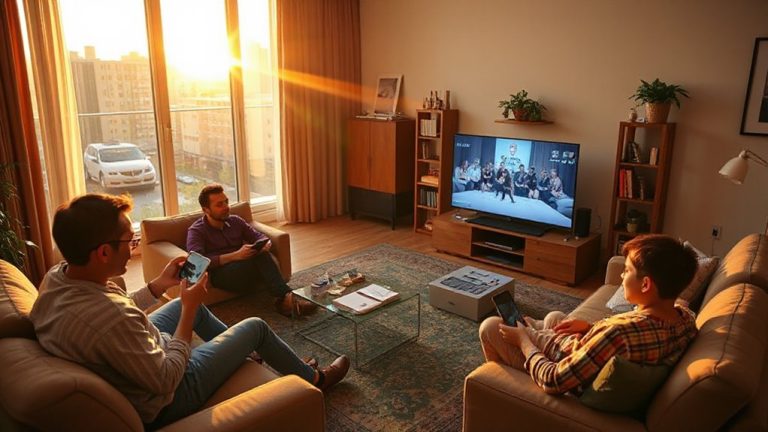
Opening your curtains right after waking is one of the simplest yet most effective habits to strengthen your circadian rhythm, especially if you’re working from home. Natural light exposure within minutes of waking helps signal your brain to stop melatonin production, boosting alertness. Your window placement matters-east-facing windows provide the strongest morning light, directly supporting this shift. Even on cloudy days, outdoor light is markedly brighter than indoor lighting. Choose curtain textures that allow diffused light to enter while preserving privacy, like sheer linens or loosely woven fabrics. Heavy drapes or blackout linings may block too much light unless pulled fully open. You don’t need special equipment-just consistent access to daylight. Results are immediate, with improved energy and focus within days. However, if your windows face north or are shaded, you might need supplemental strategies later.
Work With Natural Light Cycles
How does your workday truly align with the sun’s rhythm? Prioritizing circadian alignment means syncing your energy with natural light exposure. Morning brightness boosts alertness, while afternoon light keeps your focus steady-no artificial fix needed. But it only works if your workspace supports it.
| Time of Day | Light Exposure Benefit |
|---|---|
| 8–10 AM | Enhances circadian alignment, improves mood |
| 10 AM–2 PM | Sustains alertness, supports cognitive function |
| After 2 PM | Maintain steady exposure; avoid dimming too soon |
You don’t need smart bulbs or specialty gear-just unobstructed daylight access. Even on cloudy days, outdoor light levels beat most indoor setups. Still, if you’re far from windows, results dip. Position your desk near the east or south side for maximum effect. It’s free, effective-but only if your room layout allows it.
Fix Poor Sunlight in Your Workspace
Why settle for a dim, energy-draining workspace when sunlight could be your most powerful productivity tool? You can markedly improve light exposure by evaluating your window placement-south-facing windows deliver consistent daylight, while north-facing ones offer softer, diffused light. If repositioning your desk isn’t feasible, optimize your lighting design with full-spectrum bulbs (5000K color temperature) that mimic natural daylight. These are proven in studies to support alertness, but they won’t replace real sun exposure. Use 400+ lumens per fixture, placed at eye level or slightly above to reduce glare. Avoid cheap LED panels with flicker rates above 10%; tested models like the BenQ WiT Mindduty have built-in glare shields and 3-year warranties. Remember, even the best artificial lighting complements, but doesn’t substitute, effective window placement.
Pair Sunlight With a Morning Routine
While you can boost alertness with artificial light, pairing real sunlight exposure with a consistent morning routine delivers stronger, more lasting benefits for your circadian rhythm and work-from-home focus. Start by opening your curtains immediately after waking-within 10 minutes-to signal your internal clock. Follow this with a simple coffee ritual near a sunlit window; the warmth and light reinforce wakefulness without needing high-end gear. After your first cup, take a five-minute stretch break outdoors or by the window to deepen circadian alignment. Consistency matters more than duration-just 10–15 minutes daily works. Skip complicated setups; this isn’t about perfect conditions but reliable habits. Avoid blue-light bulbs claiming to mimic sunlight-they lack the intensity and spectral range needed. Real sunlight, paired with movement and routine, outperforms most artificial solutions in resetting your body’s clock.
Better Sleep, Mood, and Focus: Long Term
When done consistently, morning sunlight exposure doesn’t just help you wake up-it gradually reshapes your circadian rhythm, leading to measurably better sleep, sharper focus, and improved mood over weeks and months. Regular light exposure within an hour of waking reinforces a stable circadian rhythm, helping you fall asleep faster and wake feeling more refreshed. This natural synchronization reduces reliance on caffeine and artificial lighting, supporting sustained mental clarity during work hours. Results aren’t instant; studies show noticeable improvements in sleep quality and daytime alertness after 2–3 weeks of daily outdoor or window-side exposure. For best results, aim for 15–30 minutes of direct or diffused sunlight, even on cloudy days. While smart bulbs or light therapy lamps can help, they’re not a full substitute for natural light. Curtains stay open-you’re not buying gear, just committing to consistency.
On a final note
You’ll likely feel sharper and more alert by opening your curtains right after waking, letting morning sunlight reset your internal clock. Natural light boosts focus and mood, especially when synced with your daily routine. But results depend on your window’s direction and glare-east-facing rooms work best. Pair light exposure with a consistent wake-up time. No special gear’s needed, just reliable sunlight and discipline.