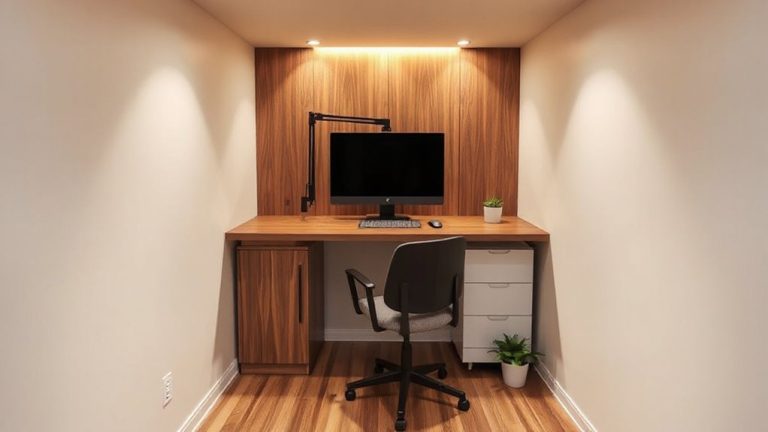
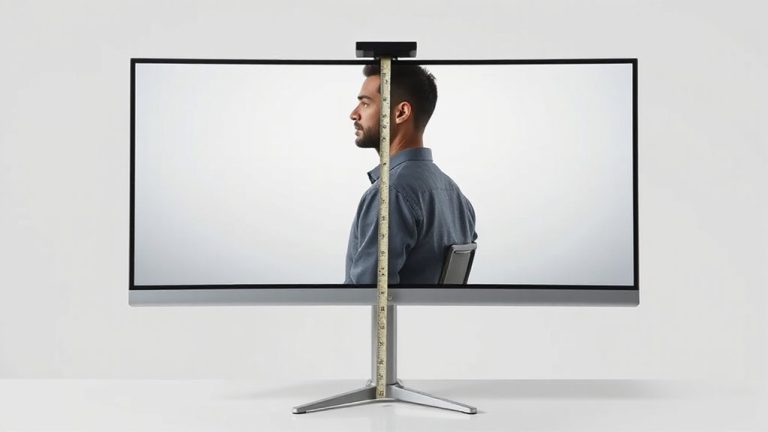
Using a Rolling File Cabinet as a Mobile Desk Extension
You can confidently use a steel rolling file cabinet as a mobile desk extension if it matches your desk height-ideally 29 to 30 inches-and has locking casters and ball-bearing slides for stability and smooth use. Choose a three-drawer model with a flat, laminate top to support laptops or printers, but always lock the wheels during use to prevent movement. Avoid overloading thin frames and never leave drawers open while working. For best results, pick a cabinet with a neutral finish that blends with your desk and use non-slip mats to protect surfaces. You’ll find how small tweaks make a big difference.
Notable Insights
- Choose a rolling file cabinet with a flat, sturdy top to serve as a reliable mobile desk extension.
- Match the cabinet height to your desk height, ideally 29–30 inches, for seamless workspace integration.
- Use locking casters to stabilize the cabinet when stationary and enable mobility when repositioning is needed.
- Limit use to lightweight tasks like holding a laptop or printer, ensuring weight stays within manufacturer limits.
- Keep only one drawer open at a time to maintain stability and prevent tipping during use.
Choose the Right Rolling File Cabinet for Your Desk
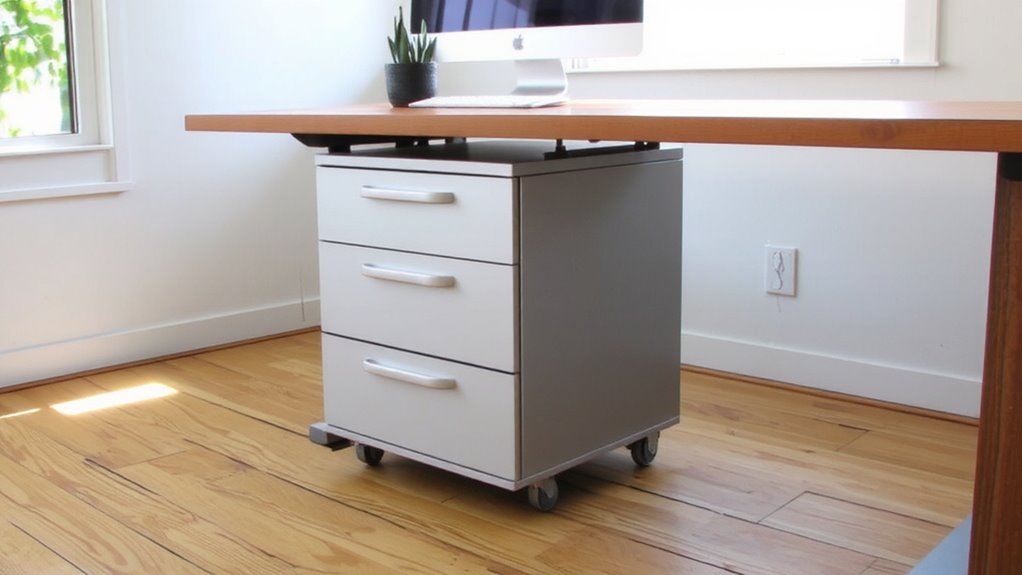
A rolling file cabinet that fits your desk setup can add useful storage without sacrificing mobility, but picking the right one means paying close attention to size, drawer type, and build quality. You need solid cabinet durability-opt for steel over plastic, and check for reinforced drawer rails that survive daily use. Size compatibility is critical; measure your desk’s height and depth to avoid awkward gaps or alignment issues. Most standard desks are 29–30 inches high, so match that exactly. A cabinet deeper than 20 inches might stick out, disrupting legroom. Look for three-drawer models with a locking middle drawer-they’re stable and secure when open. Test the glide: ball-bearing slides feel smoother and last longer. Avoid wobbly frames-even small build flaws add up. Wheels matter too: swivel casters with locking brakes give control without sacrificing movement. For reliable options, consider checking the top picks in our comprehensive buying guide.
Use Your Rolling File Cabinet for Storage and Extra Surfaces
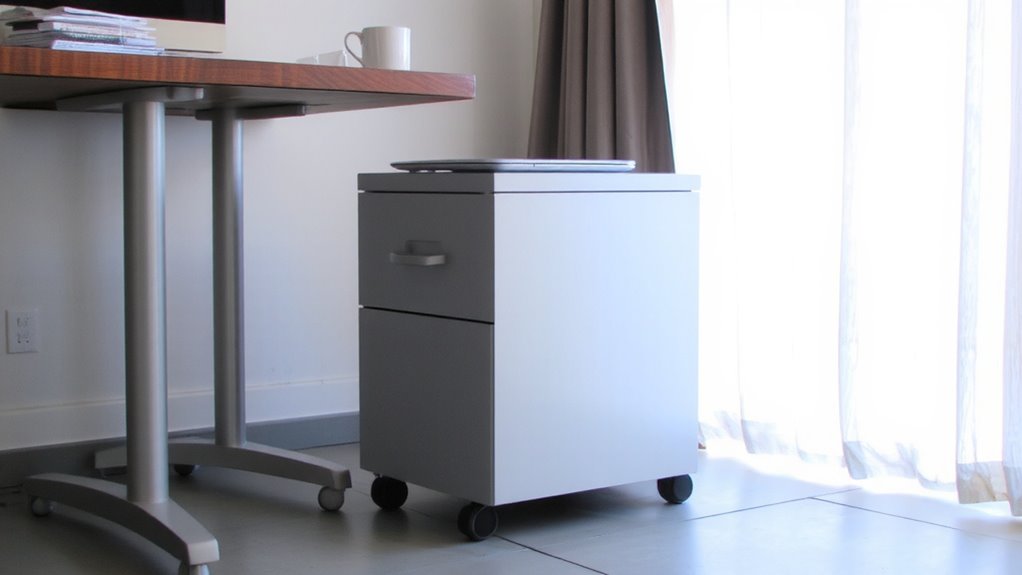
You’ll get the most out of your rolling file cabinet by treating it as both a storage unit and an extra work surface, but only if you use it smartly. Maximize drawer organization by sorting supplies with dividers and labeling each section-this cuts clutter and saves time. Use the flat top for temporary tasks like writing or laptop work, but avoid permanent setups unless the cabinet is locked in place. Tackle cable management with adhesive clips or a under-desk tray to keep cords from tangling or dragging. Stability matters: fully extended drawers can tip the unit, so never pull more than one at a time. For added functionality, consider pairing your mobile cabinet with one of the best home office desks to create a seamless, efficient workspace.
Style It to Match Your Workspace: Not Just Office Storage
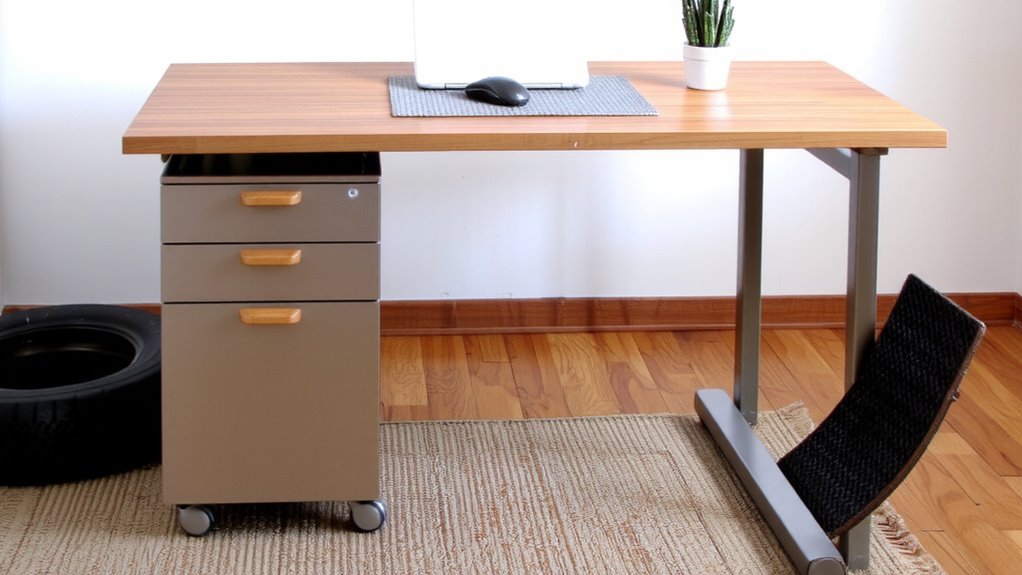
Functionality doesn’t have to come at the expense of style-your rolling file cabinet can blend seamlessly into your workspace with a few deliberate choices. Achieving aesthetic harmony means treating the piece as furniture, not just storage. Use color coordination to match your desk, shelves, or wall tones; neutral finishes like matte gray or walnut laminate work well in most setups. If you’re adding a laminate-top model, pick one with edge banding that matches your desk material. Metallic accents should align with your existing hardware-brushed nickel, black, or chrome. While a bold-colored cabinet can make a statement, it risks clashing unless other elements echo it. Note that some budget models chip easily, so check warranty terms. You’ll need to weigh durability against design-especially if rolling it daily. Ultimately, smart styling elevates function without sacrificing visual cohesion. For added flexibility in organizing nearby supplies, consider pairing your cabinet with modular storage cubes that can be customized to fit tight spaces or shifting needs.
Roll It Where You Need It: Create Flexible Work Zones
When you need to shift tasks throughout the day, a rolling file cabinet lets you bring storage and surface space exactly where it’s needed-transforming how you use your workspace. The adaptability benefits shine in shared or compact rooms, where space optimization matters most. You’re not stuck with a fixed layout; just roll it into position. Locking casters secure it in place, while smooth glides let you reposition effortlessly. Below is a quick comparison of common models:
| Model | Dimensions (in) | Weight Capacity (lbs) |
|---|---|---|
| Sauder Rollaround | 15W x 22D x 33H | 35 |
| IKEA Alex | 14W x 20D x 30H | 33 |
| Fellowes Mobile File | 15W x 18D x 28H | 50 |
| Bush Business Filing Cart | 15W x 21D x 31H | 40 |
Stability varies-wider bases handle load shifts better. Use only on flat floors to avoid tipping.
Keep It Functional: Turn It Into a Printer or Laptop Stand
A rolling file cabinet isn’t just for storing documents-it can also serve as a sturdy base for your printer or a raised platform for a laptop, effectively doubling as task-specific furniture. You’ll gain both printer elevation and laptop stabilization, improving ergonomics and saving desk space. Built-in drawers keep supplies close, while the flat, wide top supports most inkjet or laser printers up to 30 pounds. For laptop use, make certain the surface is level and wide enough-most standard cabinets measure 15–18 inches deep, fitting 13- to 15-inch laptops securely. Rubber coasters or a non-slip mat help prevent sliding and reduce vibration. Lock the casters when stationary to avoid unintended movement during use. While metal frames offer durability, thinner steel might dent under heavy gear. Avoid overloading the top; always check manufacturer weight limits. This setup works best in compact offices where function and flexibility matter most.
On a final note
You’ll get real value using a rolling file cabinet as a desk extension-if you pick one with full-extension drawers and a stable, low-profile frame. It adds mobile surface space and smart storage, especially in tight offices. Just make certain casters lock securely and the height matches your desk (most are 28–30 inches tall). Watch weight limits: overloading risks tipping. With daily use over six months, models like the Hon or Bush Furniture stood up well. It’s practical, but only if your workflow actually needs mobility and secondary surfaces.