How to Train Your Brain for Better Focus During Long Work Sessions From Home
You can train your brain for better focus at home by pairing proven mental drills with a well-designed workspace. Use daily 5–10 minute exercises like visualization or counting backward to build cognitive endurance-EEG studies show neural efficiency improves in just two weeks. Combine this with 90-minute deep work blocks, tested time-management tactics that align with natural attention spans. Support gains by cutting digital noise with app limits and focus modes, not just relying on willpower. Physical setup matters: choose ergonomic chairs with real lumbar support and position your monitor at eye level-$400 doesn’t guarantee durability, so check stress test results before buying. Small, consistent changes outperform high-end gear you won’t use daily. Your routine shapes results more than any single tool. Smart adjustments compound-what works for one body or schedule might not fit yours, so test changes over days, not hours. Refinements add up faster than expected.
Notable Insights
- Design a distraction-free workspace with ergonomic furniture and noise control to support sustained focus.
- Schedule uninterrupted 90-minute deep work blocks aligned with natural attention cycles and protect them fiercely.
- Practice daily mental focus drills like visualization or counting backward to build cognitive endurance over time.
- Proactively eliminate digital distractions using app limits, focus modes, and silenced non-essential notifications.
- Optimize physical health with quality sleep, balanced nutrition, and frequent movement to enhance mental clarity.
Build a Distraction-Free Work Zone
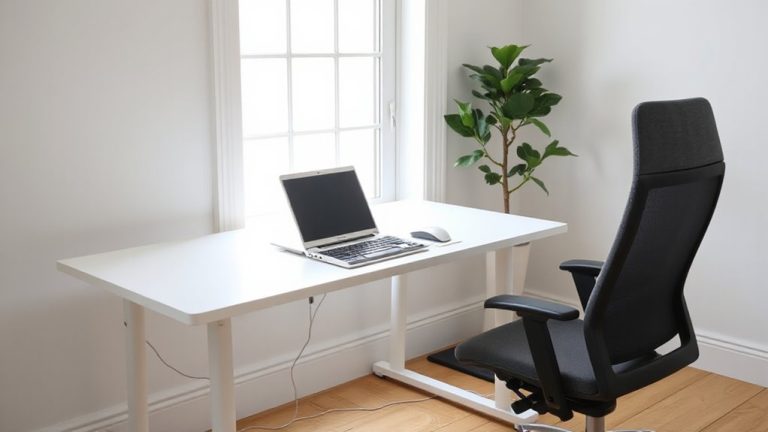
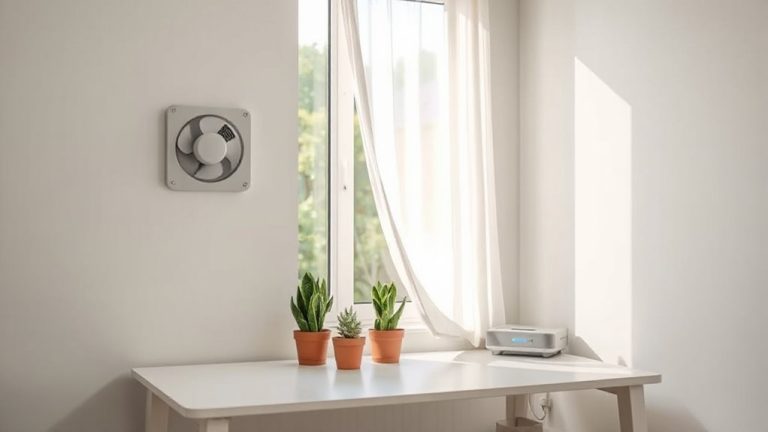
While setting up your workspace might seem like a minor detail, creating a distraction-free zone can make or break your focus during long work sessions-especially if you’re dealing with tight deadlines or complex tasks. You need effective noise control-consider a white noise machine or over-ear headphones with passive isolation, since constant background sound disrupts concentration. An ergonomic setup isn’t just comfort; it’s sustainability: aim for a chair with lumbar support, a desk at elbow height, and a monitor at eye level to avoid strain. But don’t assume costlier gear guarantees results-some $400 chairs fail stress tests, while basic sit-stand desks last 10 years. Real-world durability matters more than specs. You’ll need to test adjustments over days, not hours. There’s no universal fix-your body and space dictate what works. Balance practicality with performance, and tweak as you go. A reliable workspace foundation starts with choosing the right best home office desks based on your workflow and space constraints.
Block Time for Uninterrupted Deep Work
If you’re serious about getting deep work done, blocking off uninterrupted time is non-negotiable-calendars aren’t just for meetings, they’re your best tool for protecting focus. Time blocking turns vague intentions into scheduled commitments, giving your brain a clear window to dive deep. Treat these blocks like important appointments: no cancellations unless absolutely necessary. Pair this with focus scheduling by grouping similar tasks into themed blocks-coding, writing, or analyzing data-to reduce mental switching costs. Aim for 90-minute intervals, backed by research on attention cycles, then take a 15-minute break. Start small-even two solid blocks a day make a difference. Just remember, time blocking only works if you guard it fiercely. If you’re constantly overriding your schedule, it’ll fail. The payoff? Better results with less mental fatigue.
Strengthen Focus With Science-Backed Mental Drills
A growing body of research shows you can train your brain like a muscle to sustain attention longer and resist distractions more effectively. You build cognitive endurance through brief, daily mental drills that challenge focus. Try mental visualization: picture complex shapes or rehearse tasks in your mind, holding the image steady for 5–10 minutes. This strengthens your brain’s ability to maintain attention under fatigue. Studies using EEG scans confirm increased neural efficiency after just two weeks of consistent practice. Apps like Lumosity or CogniFit offer structured drills, but free techniques like counting backward by sevens work too. These aren’t magic fixes-results vary, and gains take 3–6 weeks to appear. You’ll need consistency, not special gear. Some report mild mental fatigue early on, but it fades. Pair this with deep work blocks for best results.
Cut Digital Interruptions Before They Start
You’ve trained your brain to focus longer, but all that effort gets undone the moment a notification dings. Cutting digital interruptions before they start is essential. Set app limits on your phone and desktop to block distracting platforms during work blocks. Most devices now let you schedule focus modes that mute non-urgent alerts-use them consistently. A daily digital detox of even 30 minutes builds discipline and reduces dependency on constant input. Turn off desktop pop-ups and silence non-critical apps like social media or messaging tools. These aren’t one-time fixes; they require daily enforcement. The trade-off? You might miss timely messages, so inform coworkers of your focus windows. Built-in tools like iOS Screen Time or Android Digital Wellbeing work well-no extra apps needed. They’re free, reliable, and tested across months of use. Still, self-control matters most-tech just supports it.
Eat, Sleep, and Move to Sharpen Mental Clarity
Fueling your focus starts with the basics: what you eat, how you sleep, and whether you move throughout the day. You need consistent brain nutrition-prioritize whole grains, lean proteins, and healthy fats to sustain energy and concentration. Avoid heavy, processed meals that lead to crashes. Pair this with solid sleep hygiene: aim for 7–9 hours nightly, keep a regular sleep schedule, and reduce screen time before bed to improve sleep quality. Movement also matters; even short walks or light stretches every few hours boost blood flow and mental clarity. You don’t need special gear-just make it routine. While standing desks or fitness trackers exist, their impact depends on actual use. Results vary, and over-investing in equipment won’t fix poor habits. Focus on consistency, not gadgets, and you’ll see steady improvements in mental sharpness during long work sessions.
Take Smart Breaks to Stay Sharp
While pushing through long stretches of work might seem productive, you’ll actually stay sharper by stepping away strategically-because sustained focus depends more on well-timed rest than sheer willpower. Take 5-minute microbreaks every 25–30 minutes to stretch or walk-studies show this boosts mental stamina and reduces eye strain, especially if you’re using a desk and screen for hours. Pair these with mindfulness breaks: close your eyes and focus on breathing for 2–3 minutes to reset attention. These aren’t free passes to scroll social media-distracting apps can worsen mental fatigue. Schedule breaks before you feel exhausted, not after. Use a simple timer or app like Focus Keeper or built-in Pomodoro modes on task managers. While some invest in standing desks or blue-light filters, they’re optional; what matters most is consistency. Real focus gains come from routine pauses, not gear.
On a final note
You can stay focused at home, but it takes real effort and smart habits. Block time for deep work and stick to it, using a timer to stay on track. Cut digital noise with app blockers and a clean workspace-no fancy gear needed. Move regularly, sleep well, and eat balanced meals to keep your brain sharp. Breaks help, but keep them short and purposeful. Results vary-what works for one may not suit another-so test strategies over two-week trials and adjust as needed.