Testing Shield Integrity in STP Cables Running Along Electrical Lines
You should test STP cable shields with a Fluke DSX-5000 or multimeter before installing near power lines-induced voltage and EMI can wreck data signals if the shield has gaps or high resistance. Proper continuity means near-zero ohms across the drain wire and foil. Ground only one end to avoid loops, especially on long runs. Failures often come from kinks or corrosion, so re-terminate cleanly and retest. Check resistance down to 0.1 ohms for real confidence-what happens next could save you months of troubleshooting.
Notable Insights
- Test shield continuity with a Fluke DSX-5000 to detect breaks in foil or drain wire near power lines.
- Ensure end-to-end shield resistance is near zero ohms using a multimeter or certified cable tester.
- Follow TIA/EIA-568 standards to maintain shielding performance and avoid electromagnetic interference (EMI) issues.
- Prevent ground loops by grounding shields at one end only in long cable runs near electrical sources.
- Repair shield damage from kinks or corrosion by re-terminating with shielded connectors and retesting for continuity.
Why STP Shield Testing Matters Near Power Lines
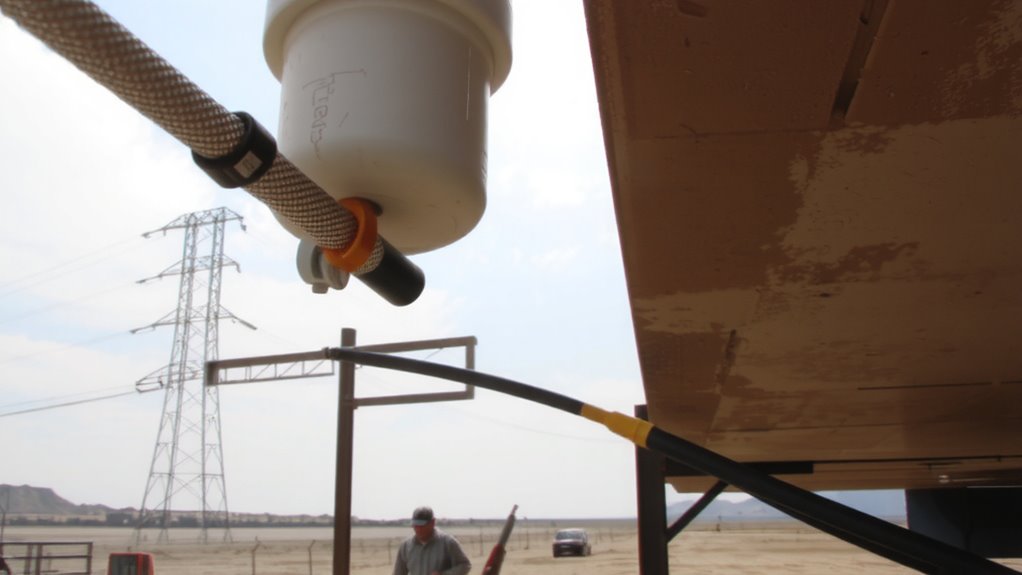
While you might think shield testing is just routine maintenance, it’s especially critical when STP cables run near power lines because induced voltage can quietly compromise your network performance. You’re risking signal degradation and noise interference without regular checks-problems that creep in before you notice slow speeds or dropped connections. Proper shield testing guarantees the foil and drain wire are fully functional, blocking electromagnetic influence from nearby AC circuits. Even small gaps in shielding can let interference through, distorting data transmission. You’ll want a certified tester, like a Fluke DSX-5000, to verify shield continuity and impedance balance. Keep in mind, while STP reduces noise, it’s only effective if installed and tested correctly-poor terminations or ungrounded shields offer false security. Always follow TIA/EIA-568 standards, and retest after any facility changes. Don’t assume it works-verify.
How EMI Ruins Untested Data Cables
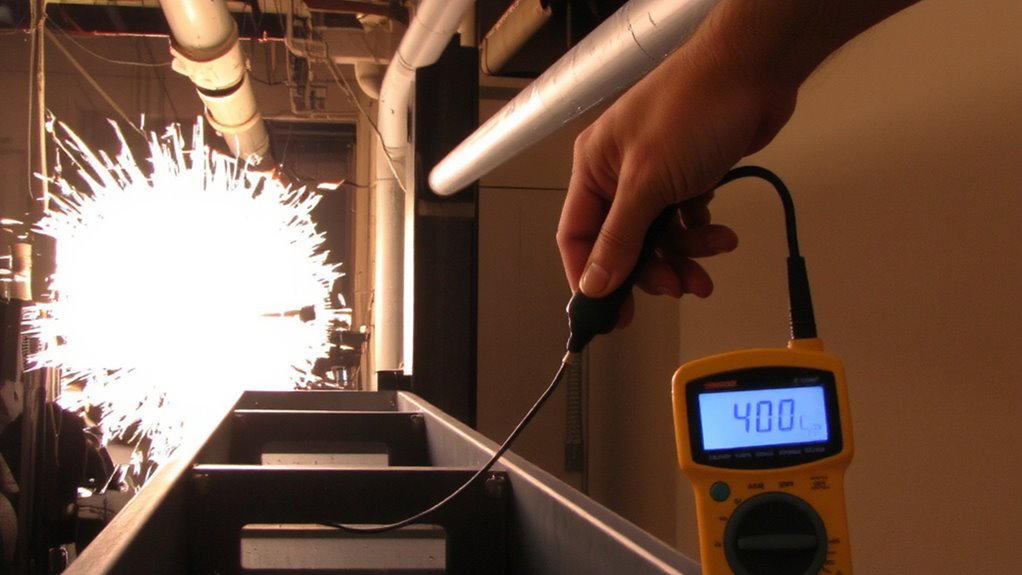
What happens when untested data cables face electromagnetic interference? EMI sneaks in, causing serious signal interference that corrupts data and slows network performance. You might not notice it at first, but over time, cable degradation sets in-especially when STP cables run near electrical lines without proper shielding. Without testing, weak points in the shield go undetected, letting noise disrupt transmission. This means dropped packets, retransmissions, and lag that hurts real-time applications. While STP cables are built to block interference, untested ones can’t guarantee that protection. You’re fundamentally gambling with reliability. Sure, installing them is faster and cheaper upfront, but the long-term cost of troubleshooting intermittent issues often outweighs initial savings. Always verify shield integrity-skip it, and you risk network instability, reduced lifespan, and costly downtime due to preventable cable degradation.
Tools for Testing STP Shield Continuity
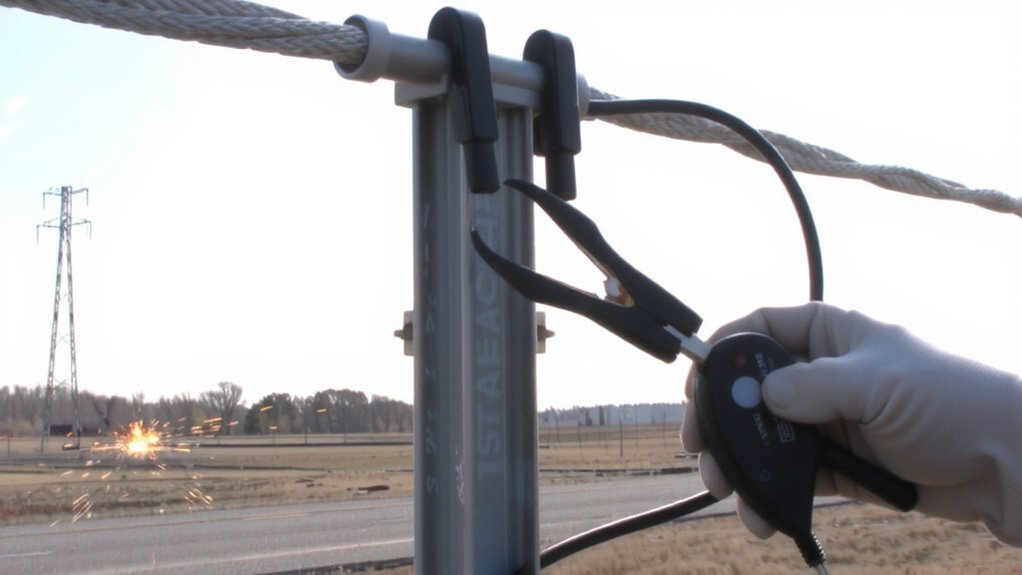
A reliable shield continuity test starts with the right tool, and for STP cables, that means using a multimeter with continuity mode or a dedicated cable certifier like the Fluke DSX-5000. You’ll want a tool that can detect breaks in shield materials like foil, braid, or both, especially when cables run near electrical lines. Connector types matter-whether you’re using shielded RJ45 or GG45, your tester must make solid contact with the shield. Multimeters work for basic checks but can miss subtle gaps. Cable certifiers give you pass/fail results with precise resistance measurements, often down to 0.1 ohms, and store test records. They’re pricier but save time on large jobs. Just remember: no tool compensates for poor termination. Always inspect connectors carefully-improper termination breaks continuity regardless of shield quality.
Test STP Shield Grounding and Continuity
How do you know your STP cable’s shield is actually protecting your network? You test its grounding and continuity with a multimeter or cable certifier. A solid connection from end-to-end guarantees the shield can divert interference. But grounding both ends carelessly risks ground loops, especially near electrical lines-those can induce more noise than they block. That’s why shield isolation at one end is often recommended in long runs, breaking potential loops while maintaining protection. Check resistance across the shield: values near zero ohms confirm continuity, but any spike suggests breaks or corrosion. Always verify the shield isn’t bonded to neutral or ground unintentionally elsewhere. Poor grounding renders even high-quality STP ineffective. Test each segment methodically, especially where cables share trays with power lines. The shield only works if it’s continuous and properly grounded-no assumptions.
Fix Common STP Shield Failures
When shield failures crop up in your STP cabling, fixing them starts with pinpointing the root cause-because simply replacing a cable won’t help if grounding practices are flawed. You’ll often find shield corrosion at connection points, especially in humid or industrial environments; clean those grounds and use corrosion-resistant connectors to prevent recurrence. Cable kinking is another common issue-bends tighter than four times the cable diameter can deform the shield and impair performance. Inspect runs for sharp bends, especially near panels or conduits, and replace any kinked sections. Re-terminate with proper tools to guarantee shield continuity. Always retest with a multimeter or TDR after repairs. While fixes are usually effective, poor installation habits will doom even premium cables. Invest time in correct routing and grounding-it’s cheaper than repeated troubleshooting.
On a final note
You should test STP cable shields when running near power lines-it prevents data corruption from EMI. A basic continuity test with a multimeter confirms the shield is intact, while proper grounding at one end reduces noise. Poor workmanship or damaged foil can compromise protection, so inspect cables before installation. Even well-shielded cables aren’t immune to severe interference, so maintain separation from high-voltage runs when possible.