How to Use Noise Dosimeters to Monitor Cumulative Sound Exposure in Work Hours
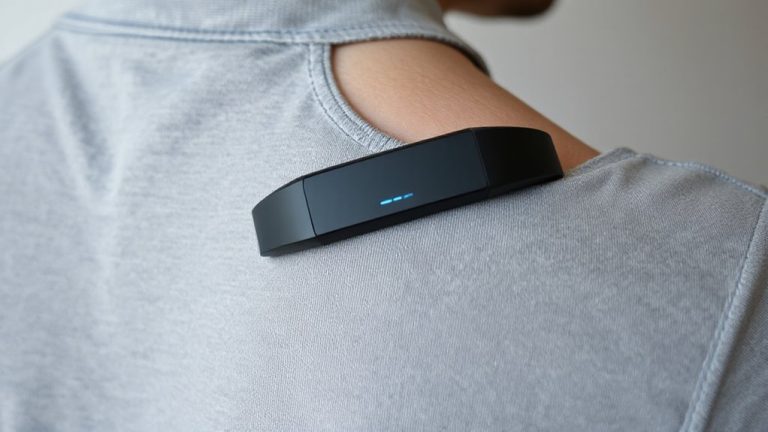
Wear a calibrated noise dosimeter on your shoulder near the ear to accurately track your cumulative exposure during shifts. It logs real-time sound levels, especially useful in noisy, variable environments where spot checks miss spikes. Make certain the mic stays upright and unobstructed, and verify calibration before use. Data helps meet OSHA’s 85 dBA action level and informs hearing protection needs-results also guide smarter safety decisions across your worksite.
Notable Insights
- Wear the dosimeter on the shoulder near the ear to accurately capture personal noise exposure during work hours.
- Ensure the microphone remains upright and unobstructed to prevent distorted sound level readings.
- Perform pre- and post-use calibration checks to maintain measurement accuracy within ±1 dB.
- Record full-shift noise data continuously to calculate time-weighted average exposure for regulatory compliance.
- Download logged data using compatible software to generate reports and identify exposure trends or hotspots.
Why Noise Dosimeters Matter for Worker Safety
You’re responsible for keeping your team safe, and when it comes to noise exposure, a noise dosimeter isn’t just helpful-it’s essential. These devices support hearing conservation by accurately measuring cumulative noise levels throughout a shift. Without them, you risk underestimating exposure, especially in environments with fluctuating sound. Prolonged high noise causes sound fatigue, reducing focus and increasing error rates. A reliable dosimeter logs time-weighted averages, helping you stay within OSHA and NIOSH limits. Units with calibrated microphones and real-time displays guarantee consistent data across shifts. Most come with a 1–2 year warranty and withstand industrial conditions. However, they require regular calibration and proper placement near the ear to work correctly. They’re not for home offices or low-noise settings-overuse adds unnecessary cost. Used wisely, dosimeters protect workers and provide defensible records during inspections.
How Noise Dosimeters Track Real-World Exposure
A noise dosimeter captures real-world exposure by continuously logging sound levels over time, and that’s what makes it stand out from basic sound meters. It tracks your actual exposure patterns throughout the workday, whether you’re near machinery, moving between zones, or in intermittent noise. This data supports detailed sound mapping across your site, revealing hotspots and trends. Unlike spot checks, dosimeters account for variability, giving a true picture of cumulative risk.
| Feature | Benefit | Consideration |
|---|---|---|
| Time-weighted logging | Reveals exposure patterns | Requires proper calibration |
| Wearable design | Enables mobile sound mapping | Placement affects accuracy |
| Data timestamping | Supports compliance reporting | Needs secure storage |
You’ll get reliable insights only if you follow protocols. Dosimeters aren’t perfect-but used right, they’re unmatched for real-world accuracy.
Choosing the Right Noise Dosimeter for Your Site
What makes one noise dosimeter better suited to your worksite than another? It comes down to reliability and fit for your environment. You need a device with solid calibration accuracy-look for models that meet ANSI or IEC standards and hold certification to guarantee consistent, trustworthy data over time. A unit that drifts even slightly can misrepresent exposure and risk compliance. Battery life matters just as much; choose a dosimeter that lasts a full shift plus extra, especially if your site runs long hours or lacks charging access. Models offering 12+ hours are ideal. While higher-end units deliver better precision and durability, they come at a cost. Don’t overlook ease of data retrieval and software compatibility. Even the most accurate device fails you if exporting reports is cumbersome. Test a few units in real conditions before committing.
Where and How to Wear a Noise Dosimeter
Your worksite’s noise profile depends on proper dosimeter placement, so wear the device on your shoulder-ideally the right one-within inches of your ear, where it captures sound the way your body experiences it. Correct microphone placement is critical: keep the mic upright, unobstructed, and away from clothing that might muffle sound. Don’t let hats, helmets, or jackets block the sensor, or readings will skew. Before use, confirm your device calibration with a sound level reference-most units support field calibration checks to guarantee accuracy within ±1 dB. Clip the dosimeter securely to your collar, harness, or belt, but remember: only shoulder placement gives valid exposure data. Avoid pockets or tool pouches-they distort microphone placement and compromise results. While convenient, placing it on a nearby surface isn’t acceptable for personal exposure records. Proper wear guarantees reliable, defensible data. Always follow OSHA or NIOSH guidelines to maintain compliance and protect hearing health.
What Your Dosimeter Readings Mean for Hearing
Noise exposure levels aren’t just numbers-they’re direct indicators of how much risk your hearing faces on the job. If your dosimeter shows you’re regularly above 85 dBA, you’re likely pushing your hearing thresholds closer to permanent damage. Repeated exposure at high levels, even for short periods, can lead to auditory fatigue-where your ears feel muffled or sounds seem distant after a shift. That’s not just discomfort; it’s a warning sign. While temporary now, continued strain may turn into long-term loss. Higher readings over time mean your ears aren’t recovering fully between shifts. This gradual change is hard to notice day to day, but audiometric testing can catch it early. Dosimeter data helps track that trend before symptoms get severe. It won’t diagnose issues alone, but when combined with regular hearing checkups, it gives a clear picture of your auditory health and real risk.
What to Do When Noise Exposure Is Too High
Once you see dosimeter readings consistently hitting or exceeding 85 dBA, it’s time to take action-sticking with the same routine risks long-term hearing damage. Start by implementing engineering controls, like adding noise barriers or upgrading machinery with quieter models-these fix the source but may require upfront investment. If that’s not feasible, use administrative controls, such as rotating staff to limit individual exposure or scheduling noisy tasks during low-occupancy hours. These are flexible but depend heavily on consistent supervision. Always recheck with dosimeter measurements after changes to confirm effectiveness. Combining both controls often offers the best protection, though each workplace will have unique logistics and budget limits. There’s no one-size-fits-all solution, but acting early prevents irreversible harm.
How to Meet OSHA Noise Exposure Requirements
While staying within legal limits might seem like a paperwork exercise, hitting OSHA’s noise exposure requirements actually hinges on consistent measurement and smart follow-through. You must monitor workers’ cumulative exposure using noise dosimeters calibrated to recognize shifts in hearing thresholds. Stay within OSHA’s permissible exposure limits-85 dB over an 8-hour TWA-and trigger action at the action level of 85 dB. If levels exceed, implement controls or hearing protection.
| Exposure Level (dBA) | Action Required |
|---|---|
| 85 | Hearing conservation program |
| 90 | Engineering controls mandatory |
| 140 | Immediate ear protection required |
Regular calibration and worker training help maintain accuracy. Don’t rely solely on device readings-pair them with audiometric testing to track long-term changes. Even with reliable gear, field conditions can skew results, so verify data across shifts.
On a final note
You should use a noise dosimeter to guarantee accurate, OSHA-compliant noise exposure tracking during full shifts. These devices measure cumulative noise in dBA and provide time-weighted averages, helping identify hazardous conditions. Choose models with ±1.5 dB accuracy, proper calibration, and data logging. Wear it on the shoulder, away from obstructions. High readings mean you need better hearing protection or engineering controls-reliance on gear alone won’t fix chronic exposure.