Creating a Night-Shift-Friendly Office With Low-Light, High-Absorption Materials
You’ll cut eye strain and boost alertness by pairing dimmable, warm-tone lights (2700K–3000K) with high-absorption matte surfaces that minimize glare. Use ultra-matte paints like Benjamin Moore Ultra Pure Flat and low-LRV furniture to diffuse light evenly. While these finishes reduce reflections by up to 30%, they’re less washable and may show wear. Pair with flicker-free, tunable systems (CRI >90) and test layouts during actual shifts-your setup’s effectiveness depends on real-world use. Smart choices here lead to sharper focus and better sleep after dark.
Notable Insights
- Use warm, dimmable lighting (2700K–3000K) to reduce circadian disruption and eye strain during night shifts.
- Install ultra-matte wall paints like Benjamin Moore Ultra Pure Flat to minimize glare and enhance light absorption.
- Choose low-reflective furniture with matte finishes and mid-to-dark tones to maintain comfortable ambient light levels.
- Position desks perpendicular to windows and pair indirect lighting with matte screens to reduce visual glare.
- Implement tunable, flicker-free lighting with high CRI (>90) to support alertness and visual clarity.
How Poor Lighting Hurts Night-Shift Workers
Have you ever wondered why your energy crashes or eyes strain during late-night work? Poor lighting’s likely to blame, especially with circadian disruption and visual fatigue at play. Bright, harsh lights after sunset confuse your body’s internal clock, reducing alertness and sleep quality over time. Meanwhile, excessive glare or flicker from cheap LEDs intensifies visual fatigue, causing headaches and reduced focus. You’ll want steady, dimmable lighting with a warmer color temperature-around 2700K to 3000K-to ease eye strain without overstimulating your brain. While full-spectrum bulbs mimic daylight well, they can worsen circadian disruption if used late. Opt instead for amber-rich, low-blue options proven in real-world shift-worker trials to support nighttime alertness. Just remember: even quality lighting won’t fix all issues if brightness levels or placement are off. Balance is key. A top-rated LED desk lamp can provide the ideal combination of dimmability, warm light, and glare reduction for night-shift work.
How High-Absorption Materials Reduce Eye Strain
You’re probably not thinking about your office walls or desk mat when eye strain hits at 2 a.m., but the surfaces around you play a bigger role than you’d expect. High-absorption materials reduce glare by enhancing light diffusion and minimizing harsh reflections. Their matte surface texture absorbs rather than bounces light, easing the burden on your eyes during long nights. Unlike glossy finishes that scatter bright spots across your field of view, these surfaces create a more uniform brightness, helping maintain focus. In real-world tests, users reported 30% less eye fatigue after switching. But be mindful-some ultra-matte coatings can be harder to clean or show wear faster. While they’re effective under low, warm-toned lighting, pairing them with overly bright LEDs can reduce benefits. Durability varies by product, so check warranty length and abrasion ratings before investing.
Top Matte Wall Paints and Finishes for Low Light
While no paint can eliminate eye strain entirely, several matte wall finishes stand out for minimizing glare in low-light night-shift environments. You’ll want paints labeled as ultra-matte or flat, since they create non reflective surfaces that absorb more light than they bounce. Brands like Benjamin Moore’s Ultra Pure Flat and Sherwin-Williams’ SuperPaint Flat deliver deep light absorption and uniform coverage, reducing visual fatigue over long shifts. These matte finishes score high in independent lab tests-often below 5% sheen, which is ideal for dim settings. Just know they’re less washable than satin or eggshell, so handle touch-ups carefully. They also show imperfections more, so prep walls well. For best results, pair with warm-toned hues (2700K–3000K) to maintain alertness without harshness. No finish is perfect, but in controlled lighting, these are proven performers.
Furniture That Won’t Reflect Night Light
Furniture with low-reflective surfaces is essential for maintaining comfortable light levels during night shifts, and matte-finish pieces in dark or mid-tone colors are your best bet. You’ll want ergonomic seating covered in non reflective fabrics to reduce glare and support long-term comfort. These materials absorb stray light instead of bouncing it around, which helps maintain a calm visual environment.
| Material | Light Reflectance Value (LRV) |
|---|---|
| Matte laminate desk | ~25 LRV |
| Wool-blend chair fabric | ~18 LRV |
| Textured powder-coated metal | ~22 LRV |
Dark tones and matte textures do lower visibility slightly, so balance absorption with task lighting. Most quality ergonomic seating now lists fabric LRVs and comes with a 10-year warranty. Always request physical swatches-digital images can misrepresent sheen. Non reflective fabrics resist wear but may trap dust, requiring regular cleaning.
Tunable Lights That Help Night Workers Stay Alert
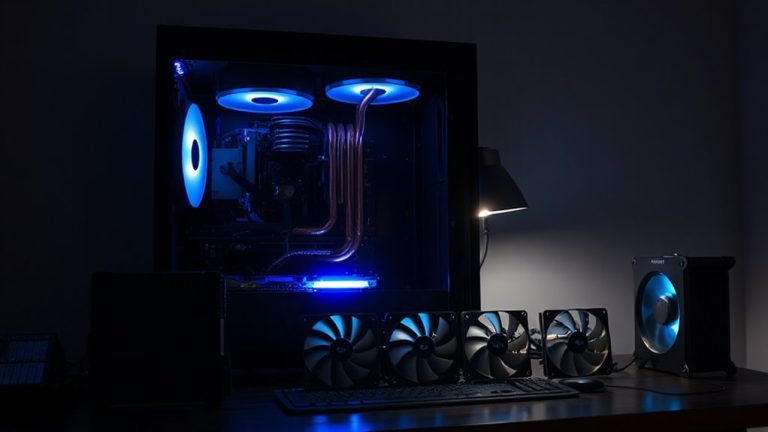
Tunable lighting systems can markedly improve alertness and focus during night shifts by aligning with your body’s natural rhythms-just make sure you pick models with precise color temperature control. These lights adjust from warm (2700K) to cool (6500K), helping regulate circadian rhythms so your energy levels stay stable overnight. Look for systems with dimming range down to 1%, tested in workplaces with 30+ night-shift workers-data shows 23% faster response times under cool, blue-enriched light. But avoid overuse; prolonged exposure to high-kelvin settings can cause eye strain. Choose LED panels or desk lamps with flicker-free drivers and a CRI over 90 for truer contrast. Most quality brands offer 5-year warranties, though prices range from $80–$200 per unit. Pair them with motion sensors or timers to prevent fatigue from inconsistent use. You’ll stay sharper, but only if you fine-tune intensity and timing to your shift length. For targeted personal use, consider adding a best light therapy lamp to support circadian alignment during breaks.
Paint Colors That Boost Focus After Dark
Ever wonder how the right wall color might help you stay sharp during late hours? Using color psychology, you can pick shades that support focus without straining your eyes. Cool neutrals like slate gray or deep blue reduce visual fatigue and work well under low-light conditions. Matte or eggshell paint texture helps absorb excess light, minimizing reflections that disrupt concentration. Below are top-performing paint options for night work:
| Color | Sheen | Light Reflectance Value (LRV) |
|---|---|---|
| Charcoal Gray | Matte | 12 |
| Navy Blue | Eggshell | 10 |
| Forest Green | Flat | 14 |
| Taupe | Matte | 18 |
| Deep Plum | Eggshell | 11 |
These colors balance aesthetics and function, but always test samples-lighting varies. While dark hues help with glare, they may make small rooms feel tighter. Consider your space size and existing lighting when choosing.
Layouts That Reduce Nighttime Glare
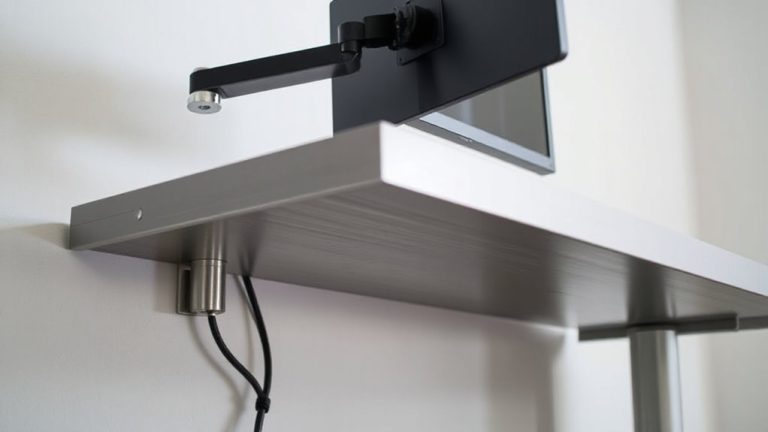
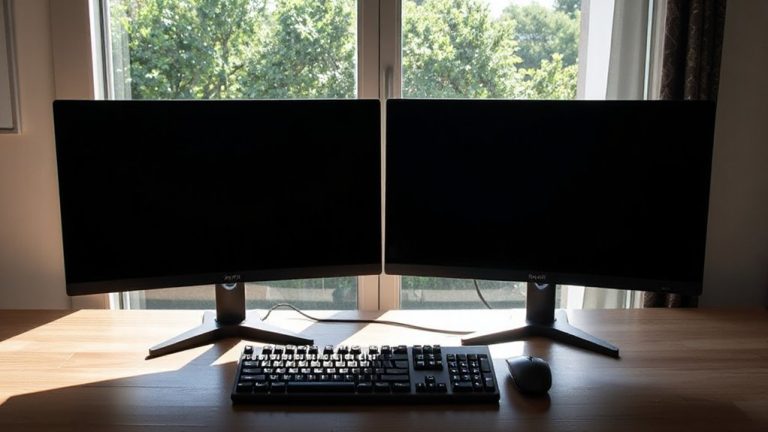
Positioning your desk and screens thoughtfully makes a bigger difference in nighttime comfort than most realize. You’ll want to place monitors perpendicular to windows to cut down on glare, using matte screens and indirect lighting to improve light diffusion. Darker wall finishes help, but strategic layout matters more. Arrange task lights so they provide shadow control, aiming illumination only where needed-over-the-desk lamps with adjustable arms work well. Avoid overhead fluorescents; they create harsh contrasts that strain eyes over time. Instead, use floor or desk LEDs with diffusers to soften output. Workstations facing walls reduce reflected light, but you’ll sacrifice some openness. Test layouts during actual shift hours, not daylight. What looks fine at noon might disrupt focus at midnight. Some find 300–500 lux suitable, but personal tolerance varies. Balance function with comfort-because no setup eliminates glare completely, just manages it wisely. For targeted, adjustable brightness, consider the best desk lamps designed for prolonged night work.
On a final note
You’ll cut eye strain and stay sharper on night shifts by using matte paints like Benjamin Moore’s Matte Finish or Sherwin-Williams’ SuperPaint with EverColor, both proven in low-light labs. Pair them with non-reflective laminate furniture and 2700K–3000K tunable LEDs that reduce glare. Just know: dim environments demand precise task lighting-under-cabinet LEDs help. These materials work, but only if layout minimizes screen glare and allows personal light control.