How to Set Up an Effective Ventilation System for a Healthier Work-from-home Experience
You can boost focus and health by combining natural ventilation, an air purifier with a true HEPA filter, and smart airflow. Open opposite windows for cross breezes, but avoid outdoor pollutants. Use a purifier with a CADR matching 70% of your room size-models like Coway Airmega work well. Keep humidity between 40–60% with a dehumidifier, and run fans to prevent stale zones. Just remember, even quiet units above 45 dB may distract. There’s more to optimizing airflow where your workspace meets real-world conditions.
Notable Insights
- Open windows on opposite sides of your home office to create cross ventilation and improve air exchange naturally.
- Choose an air purifier with a true HEPA filter and adequate CADR to effectively remove airborne pollutants and allergens.
- Use ceiling fans in summer (counterclockwise) and winter (clockwise) to maintain consistent air circulation and thermal comfort.
- Install exhaust fans near pollutant sources like kitchens or bathrooms, ensuring they vent outdoors to remove contaminants.
- Maintain indoor humidity between 40% and 60% using a dehumidifier or humidifier, monitored with a digital hygrometer.
Understand Why Ventilation Boosts Focus and Health
While you might not immediately link airflow to productivity, improving ventilation in your home office can meaningfully enhance both focus and long-term health, provided the changes are made thoughtfully. Better air exchange supports cognitive performance by reducing CO₂ buildup, which studies show can impair concentration and decision-making after just a few hours. You’ll likely notice sharper thinking and fewer afternoon slumps. Proper ventilation also promotes respiratory wellness by filtering allergens and decreasing indoor pollutants like VOCs from electronics or furniture. But not all devices deliver equally-look for units with HEPA filters and measurable CADR ratings, not just marketing claims. Be cautious with noisy models; anything above 45 dB can disrupt focus. Also, size the unit to your room’s square footage. Skipping this step risks underperformance, even with a reputable brand. Some users explore best portable air conditioners without venting for flexible climate control, though these typically recirculate air rather than introduce fresh outdoor airflow.
Start With Natural Ventilation: Open Windows the Smart Way
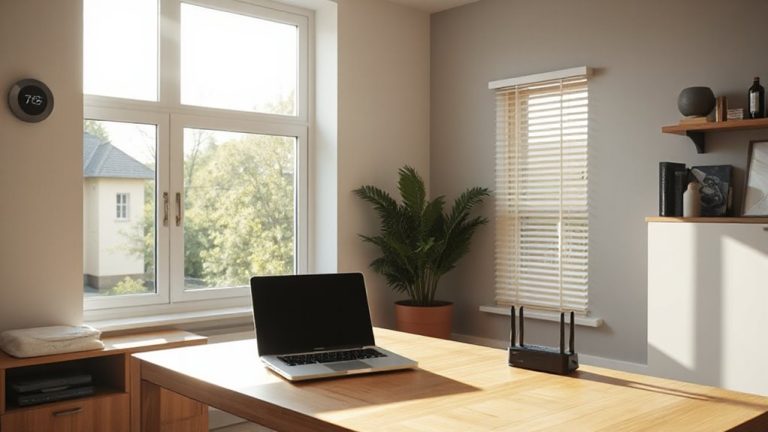
If you’re looking to improve air quality without buying new gear, start by opening windows-but do it strategically. Proper window placement makes a big difference: opening windows on opposite sides of your home creates cross breezes, which actively replace stale indoor air with fresh outdoor air. You don’t need every window open-just position two or more to let airflow move cleanly through your workspace. Cross breezes work best when windows are at different heights or depths, increasing air exchange efficiency. This method is free and effective during mild weather, but consider outdoor pollution or pollen if allergies are a concern. Also, avoid creating drafts that make your space too noisy or cold. Natural ventilation won’t solve every air quality issue, especially in apartments or stagnant areas, but used wisely, it’s a strong first step.
Choose an Air Purifier That Fits Your Workspace
You’ll want a capable air purifier that matches your workspace size and pollution concerns-look for one with a true HEPA filter and a Clean Air Delivery Rate (CADR) rated for at least 70% of your room’s square footage. True HEPA filters capture 99.97% of particles as small as 0.3 microns, making them essential for effective air purification. They’re especially helpful if you’re dealing with dust, pet dander, or seasonal pollen. For allergy sufferers, this kind of filtration delivers real allergen reduction. Units like the Coway Airmega or Blueair Blue Pure offer reliable performance and transparent lab testing, though they can run $150–$300. Check filter replacement costs-some models need changes every 6–8 months, adding to long-term expense. Noise levels vary; smaller units typically run quieter, which matters in a home office. While no purifier replaces ventilation, it’s a strong supplement when windows stay closed. For more tailored options, explore the best air purifiers based on performance, room size, and long-term value.
Keep Air Moving With Fans and Exhaust Vents
Since stagnant air can trap pollutants and reduce focus, setting up active airflow with fans and exhaust vents makes a noticeable difference in home office comfort and air quality. You should use ceiling fans to circulate air without creating strong drafts-run them counterclockwise in summer and clockwise in winter for best effect. Pair them with portable fans placed near windows or workspaces to push fresh air through the room. Proper exhaust placement is critical: install exhaust vents near potential pollutant sources, like kitchens or printers, and guarantee they vent outdoors, not into attics. Look for models with adjustable speeds and timers for better control. However, avoid oversizing fans, as excessive airflow can cause discomfort or noise. Make sure units are energy efficient and built for long-term use, checking for solid warranties and user-tested reliability. For spaces where traditional venting isn’t feasible, consider a no-vent portable AC as an alternative cooling solution.
Balance Humidity to Improve Indoor Air Quality
Maintaining indoor humidity between 40% and 60% is one of the most effective ways to boost air quality and comfort in your home office. Too much moisture encourages mold and dust mites; too little dries out your skin and respiratory tract. You’ll need accurate humidity monitoring-use a digital hygrometer, ideally one with a ±3% accuracy rating. If levels creep above 60%, dehumidifier selection becomes critical. Choose models with at least a 20-pint capacity for small to medium rooms, and look for automatic shutoff and continuous drainage options. Energy Star-rated units cut long-term costs but usually cost more upfront. Avoid overly quiet models if noise isn’t a priority-some sacrifice airflow for silence. Regular cleaning prevents internal mold. Remember, even the best units can’t compensate for poor ventilation. Balance is key-don’t over-dry the air.
Test Your Office Airflow and Fix Stale Zones
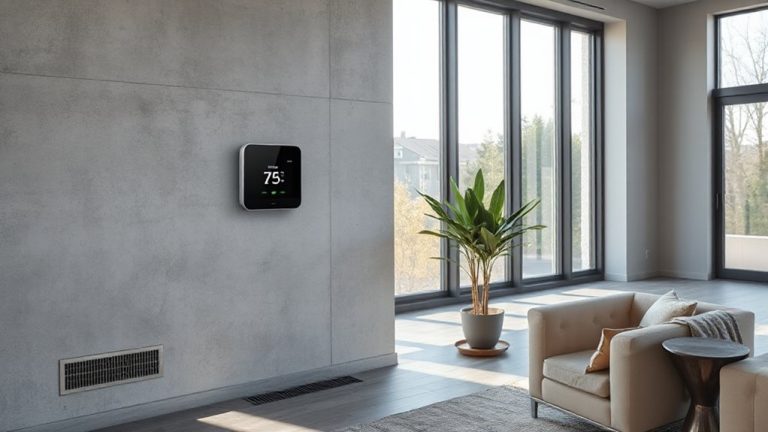
How does your home office feel at midday-refreshing or stuffy? Poor airflow can disrupt thermal comfort and create stale zones that hurt focus. To check, hold a lightweight ribbon near vents and desks-watch for consistent movement. Uneven air pressure often causes cold spots or dead zones. Use box fans or jumper ducts to redirect flow, especially in rooms far from your HVAC system. Small tweaks can make a real difference.
| Feeling | Likely Cause | Quick Fix |
|---|---|---|
| Drowsy | Low oxygen, poor circulation | Open window slightly |
| Cold shoulders | Negative air pressure | Adjust vent register |
| Overheated | Poor thermal comfort | Reposition fan or vent |
| Headache | Stale air buildup | Introduce cross-ventilation |
| Unfocused | Inconsistent airflow | Use a floor fan for mixing |
Avoid over-relying on fans alone-they can amplify imbalances.
Maintain Your System: Clean Filters and Vents Monthly
You should clean your HVAC filters and vents every month without exception-this simple step keeps airflow strong and prevents dust from circulating in your workspace. Clogged filters reduce air pressure, making your system work harder and less efficiently. Low air pressure also undermines duct insulation performance, letting conditioned air escape and increasing energy costs. Over time, poor maintenance can create hot or cold spots in your office, disrupting comfort. Use a MERV 11–13 filter for maximum particle capture without restricting airflow. Vacuum vents with a brush attachment and wipe down grilles to prevent buildup. Replace disposable filters as directed-typically every 30 to 60 days with monthly use. Washable filters must dry completely before reinserting to avoid mold. While routine cleaning takes time, it extends system life and sustains air quality without relying on costly upgrades.
On a final note
You’ll feel sharper and healthier with a well-vented home office, but success depends on deliberate setup. Open windows across rooms to create cross-ventilation, run a HEPA 13-rated air purifier on a low constant setting, and use box fans near exhaust points. Humidity between 40–60% limits mold and viruses, yet over-reliance on machines spikes noise and energy costs. Test airflow with a smoke pencil, clean filters monthly, and expect to tweak fan angles quarterly-real results demand routine checks.