Optimizing Power Supply Stability With Load Management Techniques for Continuous Operation of Critical Equipment in a Distributed Workplace
You need stable power across your distributed offices to protect sensitive gear like routers and NAS drives, and a UPS with automatic voltage regulation (AVR) is essential-it corrects 80% of voltage fluctuations without using battery power, as seen in APC Smart-UPS models backed by a 3-year warranty. Use smart PDUs with load balancing to prevent circuit overloads, and enable dynamic load shedding to keep critical systems running during spikes by temporarily cutting power to nonessential devices like printers. Real-time monitoring via networked meters gives you ±2% accurate data, alerts, and SNMP support, but setup takes technical skill. Standardize equipment across sites for consistent failover during outages, and test quarterly to verify compliance. The best results come from pairing high-quality hardware with disciplined configuration, and there’s a deeper blueprint for getting it all to work in sync.
Notable Insights
- Use UPS systems with AVR to stabilize voltage and protect critical equipment from power fluctuations.
- Implement smart load balancing to prevent circuit overloads and reduce the risk of unexpected shutdowns.
- Apply dynamic load shedding to cut power to nonessential devices during spikes, prioritizing critical systems.
- Deploy real-time power monitoring for early detection of issues and proactive maintenance across distributed sites.
- Standardize PDUs and power controllers for consistent load management and reliable failover during grid stress.
Why Power Stability Matters in Distributed Offices
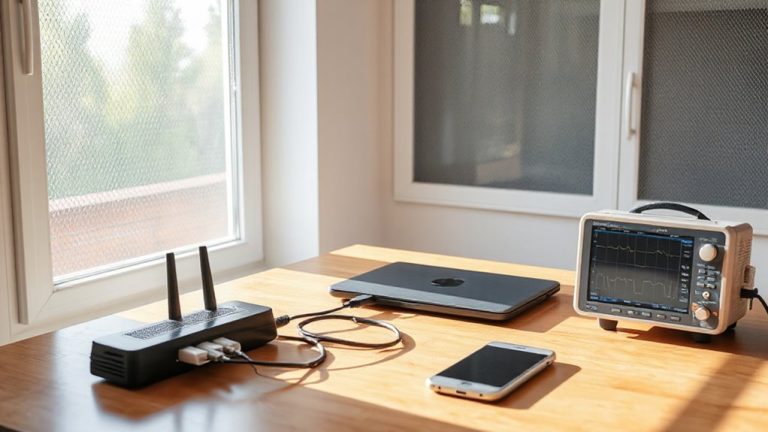
While you might think a simple power strip is enough, stable power in your home office isn’t just about avoiding a reboot-it’s critical for protecting sensitive equipment like routers, NAS drives, and work laptops from gradual damage caused by voltage spikes and brownouts. Poor power quality, especially frequent voltage fluctuations, can degrade internal components over time, leading to early failures. You need a UPS with automatic voltage regulation (AVR) to maintain consistent output, even when input varies. Units like the APC Smart-UPS provide real-world protection backed by 3-year equipment warranties. But don’t assume all models are equal-some budget options only offer basic surge protection, not true voltage regulation. Test reports show AVR can correct 80% of common fluctuations without switching to battery. While these systems cost more upfront, they’re a necessary safeguard for mission-critical gear where downtime or data loss isn’t an option. For reliable performance, consider top-rated UPS systems that combine AVR, surge protection, and sufficient runtime for safe shutdowns.
Use Smart Load Balancing to Prevent Equipment Failure
If you’re running multiple high-draw devices like desktops, monitors, and networking gear from a single circuit, smart load balancing isn’t just a convenience-it’s a practical safeguard against overheating and unexpected shutdowns. By using adaptive algorithms, these systems continuously monitor power usage and shift loads across circuits to prevent overloads before they cause damage. Predictive modeling helps anticipate peak demand times, adjusting distribution proactively rather than reactively. You’ll see fewer tripped breakers and reduced wear on components. However, effectiveness depends on your existing electrical layout-older buildings with limited circuits may need upgrades. Not all smart power strips or PDUs offer the same responsiveness, so check for real-world testing data and at least a two-year warranty. It’s not magic, but when properly implemented, it’s a reliable layer of protection for mission-critical setups.
Keep Critical Systems Running With Dynamic Load Shedding
Smart load balancing keeps your circuits from overloading, but when demand spikes beyond what redistribution can handle, dynamic load shedding steps in to protect critical gear. During peak demand, nonessential devices-like printers or secondary monitors-automatically power down, freeing up watts for servers, routers, or medical equipment. You stay online because the system prioritizes what’s essential. Most setups let you customize which devices get shed and which stay live, using programmable outlets or smart PDUs. Some even include an emergency override, so you can temporarily retain power to a high-draw device if absolutely needed. But be aware: improper configuration risks cutting power to gear you thought was critical. Test your thresholds under real load conditions. Units with UL certification and at least a 3-year warranty reduce long-term risk. While not perfect, dynamic shedding prevents blackouts when every volt counts.
Monitor Power Use in Real Time
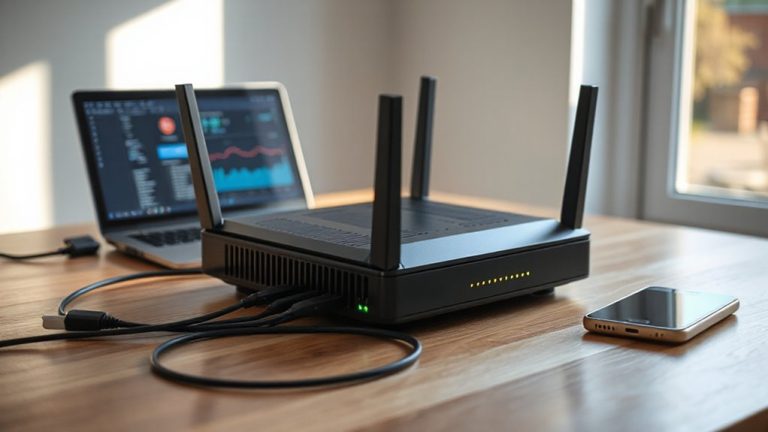
How do you know when your power is nearing the edge? Real-time power monitoring gives you the answer before systems fail. By tracking energy use continuously, you spot spikes and trends that could jeopardize critical operations. Energy tracking tools-like smart power strips and networked meters-deliver live data so you can respond proactively. These devices often include app alerts, wattage logs, and integration with UPS systems to maintain uptime. Most offer accuracy within ±2% and support SNMP or Modbus protocols for reliable industrial use. While setup requires some technical skill, the visibility they provide is unmatched. Don’t rely on guesswork when circuits are loaded. But remember: monitoring doesn’t reduce demand by itself-it only reveals it. Use these insights wisely to avoid overloads and prepare for load adjustments without disrupting essential tasks.
Apply Load Management Across Distributed Sites
While real-time monitoring exposes power usage patterns, it’s active load management that keeps your distributed sites running without costly interruptions-so you’ll want to prioritize smart redistribution over sheer capacity. You can curb peak demand by shifting non-essential loads to off-peak hours, using programmable power controllers at each location. This boosts energy efficiency across the network without requiring costly infrastructure upgrades. Implement load shedding for secondary systems so critical equipment stays online during grid stress. However, sync adjustments carefully-over-aggressive throttling might disrupt remote workers. Use standardized PDUs and networked meters to maintain visibility and response speed. Test failover scenarios quarterly to validate performance under real load stress. While results improve reliability, success depends on consistent device configuration and team compliance.
On a final note
You should implement load management now-it keeps your critical office gear running during outages. Smart balancing and real-time monitoring prevent overload, while dynamic shedding protects servers and comms systems. Most quality UPS units support this and have 3-year warranties. But remember, setup complexity increases across distributed sites, and sensor accuracy varies by model. Test configurations under peak loads to confirm stability-don’t assume. Results are reliable, but only with proper calibration.