The Impact of Clutter on Mental Health in a Home Office Environment
Clutter in your home office raises stress and hurts focus by overloading your brain with visual noise, increasing cortisol and mental fatigue. A messy desk pulls your attention away, making tasks take longer and feel harder. While cable sleeves and labeled trays help, they only work if you keep up daily habits. True improvement comes from reducing what’s on your desk to just essentials-like your monitor, keyboard, and one notebook-and sticking to a 5-minute nightly reset; the long-term payoff depends on consistency, not just the tools you buy.
Notable Insights
- Clutter in a home office elevates stress and anxiety by increasing cortisol through constant visual stimuli.
- Visual distractions from disorganized spaces reduce concentration, leading to task fragmentation and cognitive overload.
- Mental fatigue accumulates as the brain expends energy filtering chaotic background clutter during work.
- Emotional exhaustion arises when clutter symbolizes unfinished tasks, undermining motivation and sense of control.
- Sustainable decluttering habits, like daily 5-minute sorting and labeled organization, improve mental clarity and focus.
How Clutter Fuels Stress and Anxiety at Work
While you might think a messy desk just looks bad, clutter in your home office can actively increase stress and anxiety, especially during work hours. That disarray acts as constant environmental triggers, subtly raising cortisol levels and making relaxation harder. Visual noise from scattered papers, cables, and unused gadgets contributes to cognitive overload, overwhelming your brain’s ability to process information efficiently. You may not notice it immediately, but over time, this mental strain wears down emotional resilience. Real-world studies show people in cluttered spaces report higher anxiety and lower focus. While organizing with trays, cable clips, or storage bins can help, no product is a complete fix-habits matter more. Even top-rated desk organizers, like the IKEA SKUBB boxes or Muji storage trays, only work if you maintain them. There’s no warranty against mess, and no gadget replaces routine cleanup. The real win comes from consistency, not gear. A curated selection of tools, such as those found in the best desk organizers, can provide a helpful starting point for establishing order.
How a Messy Desk Kills Concentration
A cluttered desk doesn’t just look chaotic-it actively sabotages your focus. Visual distractions pull your attention away, making it harder to stay on track. When your workspace is packed with papers, old coffee cups, and unused gadgets, your brain constantly processes those stimuli, increasing task fragmentation. That means you’re more likely to jump between emails, reports, and messages without fully completing any one task. Studies show people in tidy environments complete assignments faster and with fewer errors. To reduce interference, keep only daily-use items-keyboard, notebook, pen cup-within reach; tuck the rest in labeled drawers. A 30-minute nightly reset helps. But don’t aim for perfection-minimalism works only if it’s sustainable. Some find plain desktops too sterile; others thrive on a controlled mess. The key is intentionality, not a spotless surface. Upgrading to a top-rated standing desk converter can also enhance workspace organization by promoting better ergonomics and freeing up surface area.
Why Clutter Tires Your Brain
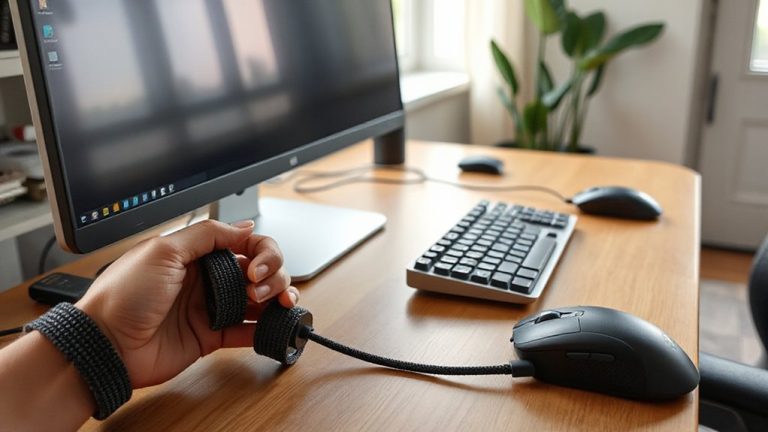
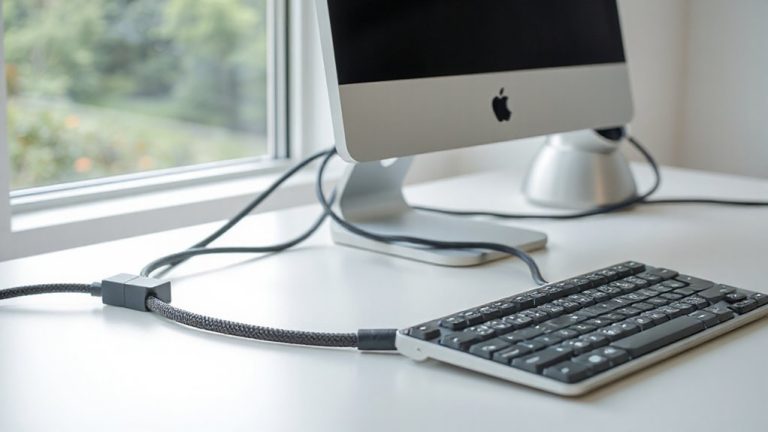
Even if you’re not actively thinking about the stack of old magazines or the tangle of chargers by your desk, your brain still registers them-consuming mental energy just to filter out the noise. That constant background demand contributes to cognitive overload, making it harder to focus, decide, or think clearly. Every extra item in your field of vision adds a small burden, and over time, these pile up into real mental fatigue. It’s not about being lazy or undisciplined-it’s how your brain processes stimuli. Reducing visual clutter can help, but simply swapping one set of tools for another won’t fix the root issue if systems aren’t sustainable. A cable organizer might reduce mess, but only if you commit to maintaining it. There’s no one-size-fits-all product solution-decluttering works best when tailored to how you actually work. Effective solutions include using a top-rated cable management system designed for clean desk setups.
How Clutter Drains Emotional Energy
Emotional residue builds up in spaces where clutter takes root, and your home office is no exception. You’re not just seeing scattered papers or stacked supplies-you’re absorbing subtle cues that chip away at your emotional reserves. Each unfinished task represented by clutter feeds emotional exhaustion, making you feel drained even after minimal work. Over time, this contributes to mental fatigue, reducing your ability to focus or feel motivated. It’s not about perfection; it’s about control. A desk buried under manuals, cords, and old coffee mugs isn’t inefficient just physically-it weighs on your mood. Labelled trays or cable clips might help, but only if used consistently. Real change comes from routine, not gear. Some storage boxes lose shape after six months; measure depth before buying. Decluttering isn’t a one-time fix-it’s maintenance.
Quick Wins to Declutter Your Home Office
Start with what’s within arm’s reach-your desktop surface, the drawer you open most, and that tangled mess of charging cables. Clearing these areas brings immediate desk harmony and a noticeable focus boost. Wipe down the desk, keep only essentials like your monitor, keyboard, and notebook, and use a simple cable organizer sleeve to group cords by function-USB-C, power, audio. Label each for quick ID. A tray can hold daily tools: pens, sticky notes, headphones. Toss dried-out markers and duplicate adapters. These tweaks take under 20 minutes and don’t require buying new gear-though a $12 felt desk pad can reduce surface glare and add comfort. Results vary based on how often you reset the space. You’ll likely feel calmer, but real improvement depends on consistent maintenance, not just one cleanup. Don’t expect transformation-just a clearer starting point.
Build Habits for a Calm Workspace
Why do some people maintain a clear desk for weeks while others drown in paper by Friday? The difference often lies in consistent habits, not willpower. Building a calm workspace starts with mindful organizing-take five minutes daily to sort, file, or discard. This small effort prevents pile-up and reduces mental load. Pair that with intentional design: choose furniture like desks with built-in cable management and drawer units that fit your most-used items. Store supplies in labeled, shallow bins so you see contents at a glance. A standing desk with height memory settings can improve focus, but only if you actually use both modes. Routines matter more than gear. Even the best organizers fail if they don’t match how you work. Start simple, stay consistent, and adjust-no single system works for everyone.
When Clutter Needs Professional Help
Your clutter might not just be a messy desk-it could be a sign that professional help is needed. If you’re struggling to discard items, even broken office gear or duplicate supplies, you might be showing signs of hoarding behavior, which is linked to a mental health disorder like obsessive-compulsive disorder or anxiety. It’s not just about disorganization; it’s emotional attachment, distress, and impaired daily function. Professional organizers certified in hoarding intervention can help, but real progress often requires therapy-especially cognitive behavioral therapy. Medication might also be recommended. Don’t expect quick fixes: treatment takes months and relapses happen. Yet long-term outcomes improve markedly with consistent support. While ergonomic chairs or drawer systems help functionality, they won’t resolve underlying psychological challenges. Recognizing the issue early gives you a better shot at reclaiming both space and well-being.
On a final note
You’ll likely feel sharper and calmer with a tidy home office, as studies link clutter reduction to lower cortisol levels and improved focus. Simple changes-like using labeled bins or a cable organizer-can make a real difference fast. But don’t expect perfection overnight; sustainable order requires daily habits. Some products help, but not all are worth the cost-check warranties and real-user reviews before buying.