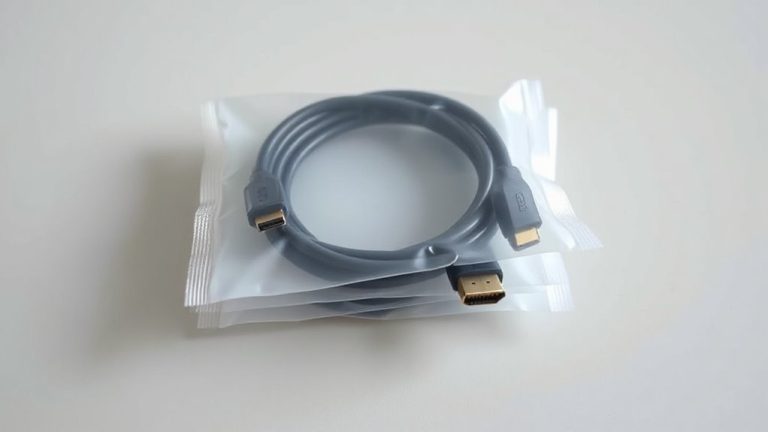
Inspecting Cable Insulation Monthly for Cracks or Melting Signs
Check your power strip and extension cord insulation monthly for cracks, fraying, or melting-especially near desks or heat sources. Use a flashlight to spot hairline damage and a multimeter to catch hidden faults. Damaged insulation won’t be fixed by surge protectors, and electrical tape isn’t a safe fix. Replace compromised cables with UL-listed ones matching the original specs. High-use setups need replacement every 18–24 months. You’ll soon see exactly where and how to inspect each type of wear.
Notable Insights
- Check power strips and extension cords monthly for cracks, fraying, or melting, especially near heat sources or under desks.
- Look for discoloration, stiffness, or exposed wires, which signal insulation damage and potential fire hazards.
- Use a bright flashlight to spot hairline cracks and subtle damage along the entire cable length.
- Test cables with a multimeter or continuity tester to detect internal faults and insulation breakdown.
- Immediately unplug and replace damaged cables-do not use tape-and choose UL-listed replacements with matching specifications.
Stop Fires Before They Start: Check Cable Insulation Monthly
You should definitely check your cable insulation every month-it’s one of the simplest ways to prevent electrical fires, especially in home offices where multiple devices run for hours. These routine safety checks take under five minutes but substantially reduce fire risk. Damaged insulation can overheat, especially in power strips or extension cords handling laptops, monitors, and chargers simultaneously. Regular inspection is a cornerstone of fire prevention and should be part of your monthly home maintenance. Focus on cables near heat sources or under desks where friction and bending occur. While most modern cables use flame-retardant PVC, that doesn’t make them immune to degradation over time. Skipping checks may save time short-term but increases long-term danger. No warranty or surge protector compensates for physical cable flaws. Be thorough, but remember-visual checks won’t catch internal wire damage, so replace any suspect cables immediately.
How to Spot Cracks, Fraying, and Melting in Cables
While not all cable damage is immediately obvious, catching cracks, fraying, or melting early can prevent dangerous faults before they lead to shorts or fire-so knowing what to look for matters. Pay close attention to areas with tight cable routing or frequent bending, since stress accumulates there. Environmental exposure-like UV light, heat, or moisture-also accelerates wear, especially near windows or HVAC units. Look for discoloration, stiff sections, or exposed wires beneath the insulation. Implementing effective cable management solutions can reduce strain and exposure, helping to maintain insulation integrity over time.
| Sign | What It Means |
|---|---|
| Cracks | Insulation weakening over time |
| Fraying | Mechanical stress from movement |
| Melting | Overheating due to load or environment |
These signs often appear where cables bend or twist. Even minor damage in high-exposure zones increases failure risk. Replace affected cables promptly-don’t rely on tape as a fix. Proper routing and reducing environmental exposure extend lifespan.
Use a Flashlight and Tester to Inspect Insulation
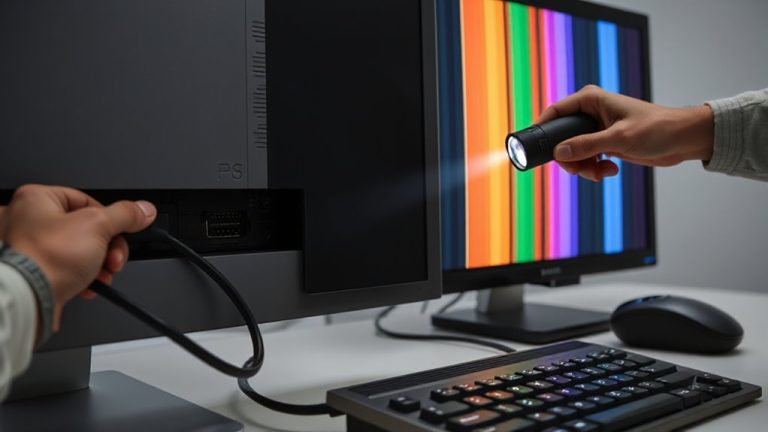
How can you spot insulation damage that’s too subtle for a quick glance? A flashlight inspection is your best bet. Shine a bright, focused beam along the cable’s length-you’ll catch hairline cracks or slight discoloration you’d otherwise miss. Pair that with a continuity tester or multimeter to check for faults. If the tester alerts, even intermittently, it means insulation breakdown or internal wire exposure, both serious hazards. These tools don’t replace professional diagnostics, but they offer reliable early warnings when used monthly. Be thorough-don’t rush. Poor lighting or skipping the tester might let risks slip by. Just remember: a false alert is inconvenient, but missing real damage risks safety. Use both methods together for confidence, not guarantees. Cables under stress need more scrutiny, but even quiet ones fail silently. Stay consistent, and trust what the tools show-not assumptions.
Where Cable Insulation Fails Most Often
Flashlights and testers help catch early signs of trouble, but knowing where to look matters just as much. You’ll most often find cable insulation failing at connection points, where plugs meet outlets or devices-these spots face the highest stress from bending and frequent handling. Voltage overload is a common culprit here, generating heat that degrades rubber and plastic over time. Also, don’t overlook areas with prolonged environmental exposure, like cables near windows, in garages, or under desks with poor airflow. Sunlight, moisture, and temperature swings weaken insulation, leading to cracks or brittleness. Cables routed along sharp edges or under carpets wear down faster due to friction and pressure. Even industrial-grade jackets can fail prematurely if constantly stretched or pinched. Always inspect these high-risk zones monthly-early detection prevents bigger issues. While quality materials resist damage better, no insulation lasts forever under constant strain.
What to Do If You Find Damaged Insulation
If you spot cracked, frayed, or brittle insulation on a cable, stop using it immediately-continued operation risks short circuits, electric shock, or fire. Your emergency response should include unplugging the device and isolating the cable to prevent accidental use. Don’t attempt temporary fixes like electrical tape; they don’t restore safety and can delay proper action. Instead, mark the cable for disposal and replace it with a tested, UL-listed alternative that matches the original specs. Track damaged cables to update your replacement schedule-frequent damage may signal environmental stress or inadequate cable ratings. While high-flex or reinforced jackets last longer, no insulation lasts forever. A proactive replacement schedule reduces downtime and cuts long-term risk. Replace cables every 18–24 months in high-use setups, or sooner if wear appears. Regular inspection paired with planned upgrades keeps your setup safe without over-spending.
On a final note
You should check cable insulation monthly-it’s simple but stops fires. Use a flashlight to spot cracks, fraying, or melting, especially near plugs and bends. Test with a multimeter for exposed wires. Most damage happens at stress points, like behind desks or under desks where cables bend. If you find damage, replace the cable or use a UL-listed repair sleeve. Don’t tape over cracks-it’s risky. Good cables last 3–5 years with care, but cheap ones fail sooner.