A Step-By-Step Guide to Building a Personalized Morning Routine for Remote Workers With ADHD
Start tonight by prepping your workspace-lay out your laptop, notebook, and pen, and organize cables with clips for a clean setup. Place a Sonic Bomb Alarm across the room; its 100dB sound and bed shaker get most people up in under 30 seconds, though it may be overkill if you’re a light sleeper. Use a Philips Wake-Up Light for a gentler rise with a 2-minute adjustment to natural light patterns, which helps regulate circadian rhythm. Add a Time Timer for visual countdowns, supporting task initiation in 5 minutes or less. Begin your day with 10 minutes of movement-dancing, stretching, or a walk-to boost dopamine and norepinephrine without needing equipment. Anchor your launch with two minutes of mindful breathing, then tackle a pre-labeled task batch like “Client Emails” to avoid decision fatigue. Stick to paper lists if they work-research shows they’re just as effective as apps when used consistently. Test small changes weekly, like swapping scrolling for voice notes, and track them for at least three days to see real effects. Not every tool fits all, so pick what reduces effort, not just novelty. You’ll find clarity grows when routine aligns with how your brain actually works. There’s a smarter way to build momentum-one that works with, not against, your ADHD.
Notable Insights
- Prepare your workspace the night before by organizing tools, cables, and tasks to reduce morning decisions.
- Place a loud, vibrating alarm across the room to force movement and combat ADHD-related wake-up challenges.
- Start your day with 10 minutes of intentional movement to boost focus and increase dopamine levels.
- Follow a consistent launch sequence with mindful breathing and a clearly labeled first task batch.
- Refine your routine weekly by testing small changes and tracking what reduces effort and improves flow.
Start the Night Before to Reduce ADHD Morning Chaos
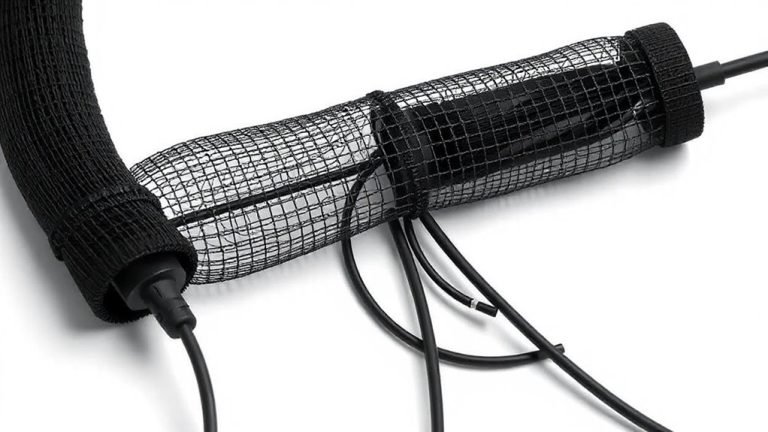
While you might be tempted to crash on the couch after work, taking 10 to 15 minutes each night to reset your space and prep workspace can make mornings far more manageable when ADHD makes shifts tough. This short evening wind down helps interrupt mental clutter and creates a clearer entry point tomorrow. Lay out your laptop, notebook, and pen exactly where you’ll need them-no hunting later. If you use a standing desk, leave it adjusted to your preferred height. Keep cables organized with clips or trays so setup takes seconds. Turn off non-essential notifications on devices to reduce morning distractions. However, don’t over-optimize; overly rigid systems often fail when energy is low. The goal isn’t perfection-it’s reducing decision fatigue. A simple, repeatable routine beats complex gear or expensive organizers. Test adjustments over three days to see what sticks. For optimal organization, consider using a cable management solution tailored to your desk setup.
Wake Up Without the ADHD Morning Struggle
Ever wonder why hitting snooze turns into a 45-minute battle? For remote workers with ADHD, weak alarm strategies can derail your whole day. Instead of relying on your phone, try placing a loud, vibrating alarm clock across the room. This forces movement and reduces the lure of endless snoozing. Combine it with clear visual cues-like a bright dry-erase board listing your first three tasks-to anchor your focus. While high-end wake-up lights sound promising, most perform similarly to standard bright lamps under $30. Below are five tested tools:
| Tool | Key Feature | Average Use Time |
|---|---|---|
| Sonic Bomb Alarm | 100dB + bed shaker | 30 sec to rise |
| Philips Wake-Up Light | Gradual light increase | 2 min adjustment |
| Time Timer | Visual countdown | 5 min task start |
| Smart Plug + Lamp | Automation | 1 min hands-off |
| Daily Planner Board | Magnetic tasks | 3 min review |
Results vary-test for two weeks.
Move Your Body to Reset ADHD Focus
To jump-start focus when ADHD makes stillness feel like a trap, getting your body moving early is one of the most effective, science-backed strategies-just 10 minutes of intentional movement can boost dopamine and norepinephrine levels, improving alertness and task persistence. You don’t need a full workout; short bursts count. Think of them as movement snacks: a quick dance, stretch, or walk around the block. These micro-sessions double as exercise breaks that reset your attention without draining energy. Unlike lengthy routines requiring special gear or space, movement snacks work in tight apartments or shared homes. No equipment means no setup, so they’re easier to stick with. Still, consistency matters more than intensity-doing something daily beats an occasional 30-minute session. Over time, these habits improve mental clarity, but progress is gradual. Skip the pressure to perform; focus on motion, not metrics.
Begin Work Without ADHD Decision Paralysis
The trick to starting work with ADHD isn’t sheer willpower-it’s designing a launch sequence that bypasses decision fatigue before it derails you. Begin with two minutes of mindful breathing to stabilize attention-focus on your breath’s rhythm, not clearing your mind. This small pause reduces mental noise so you can shift smoothly into work mode. Right after, use task batching: group similar small tasks (like email or invoicing) into one 25-minute block using a timer. Batching cuts switching costs and keeps momentum. Set up the night before by labeling your first batch clearly-“Client Emails,” not “Work stuff.” Avoid overcomplicating tools; a paper list works as well as an app. There’s no premium gear needed-just consistency. Results vary, and some days will still feel sluggish. But with repetition, the routine becomes automatic, reducing the daily need to decide where to start.
Refine Your ADHD Morning Routine Weekly
While consistency matters, your morning routine shouldn’t stay frozen in place-reviewing it weekly lets you adapt to what’s actually working. Do a quick weekly review every Sunday: note what felt smooth and what caused friction. Maybe your coffee time helped focus, but scrolling social media zapped momentum. Use those insights for a routine tweak-swap or shift one thing at a time. If a five-minute journal didn’t stick, try a voice note instead. Track changes for at least three days before judging. Avoid overhauling everything at once; small, tested adjustments build lasting results. Remember, tools like timers or task boards can help, but they’re only useful if they reduce effort, not add steps. Be honest about what’s practical in your space and energy level. A routine tweak that saves even two minutes counts as progress-consistency with flexibility beats perfection every time.
On a final note
You’ll likely feel more focused and calm by following this ADHD-friendly routine, especially when you prep the night before and move early. It works because structured shifts reduce decision fatigue. Still, results depend on consistency, not gear-skip expensive desks or apps unless they solve a clear problem. Track your progress weekly, adjust one variable at a time, and expect some trial and error. It’s not magic, just better habits.