Building a Resilience Toolkit for High-Pressure Remote Work Environments
You need clear boundaries, a consistent routine, and a focused digital workspace to stay resilient in high-pressure remote work-because without them, burnout creeps in fast. Set firm start and end times, use calendar blocks, and turn off notifications after 6 PM. Build a simple morning habit like breathing and journaling-no perfect tools required. Keep your screen clutter-free with only essential apps open, and take a 3–5 minute break every hour to stretch or reset with box breathing. Stay connected through regular check-ins, but limit meetings to avoid fatigue. Weekly reviews help you spot what’s working and what’s draining you-small adjustments make a big difference over time.
Notable Insights
- Set clear work hours and enforce digital detox after 6 PM to sustain mental recovery and prevent burnout.
- Start each day with mindful breathing and gratitude journaling to stabilize focus and emotional regulation.
- Design a distraction-free digital workspace by silencing nonessential notifications and using app timers.
- Recharge cognitively with 3–5 minute micro-breaks every 45–60 minutes using box breathing and light stretches.
- Build resilience through weekly reflections and consistent virtual check-ins to maintain connection and alignment.
Set Boundaries to Protect Your Remote Workday
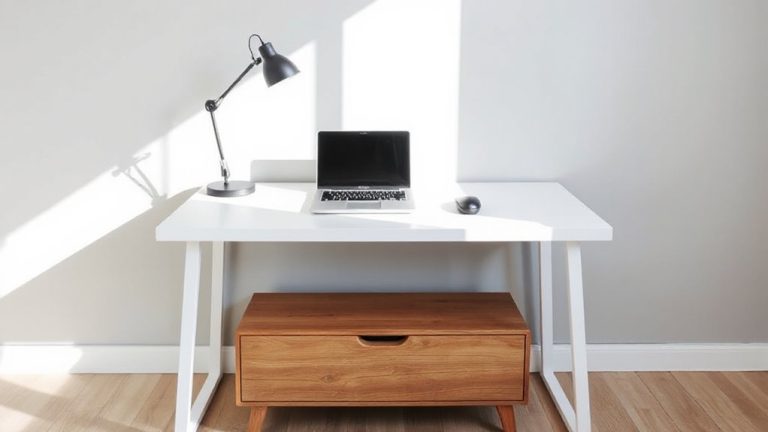
While working from home might give you the freedom to start your day in sweatpants, it’s essential to set clear boundaries if you want to stay productive and avoid burnout. Protecting your work life balance means defining when work starts and stops-no more answering emails at midnight. A daily digital detox, like turning off notifications after 6 PM, helps your brain shift out of work mode. Use calendar blocks to separate tasks and personal time, and stick to them like a deadline. You don’t need expensive office gear; a dedicated workspace-even a corner with a supportive chair-can signal the boundary. But be honest: flexibility can blur lines too easily. The trade-off is discipline for freedom. Test boundaries for two weeks and adjust. Results vary, but most see sharper focus and less fatigue when limits are clear and consistent. A well-organized setup with an ergonomic home office desk can further reinforce this separation between work and personal life.
Build a Morning Routine That Sticks
If you’ve ever rolled out of bed and straight into back-to-back Zoom calls, you’re not alone-but skipping a morning routine can cost you focus, energy, and long-term consistency. Building a simple, repeatable routine strengthens resilience, especially in high-pressure remote roles. Start with five minutes of mindful breathing: sit upright, eyes open or closed, and focus on steady inhales and exhales-this calms your nervous system and sharpens mental clarity. Follow it with gratitude journaling; writing down three specific things you’re grateful for boosts mood and reduces stress over time. These practices work best when done in the same place daily, like a kitchen table or quiet corner. Avoid overcomplicating it-don’t wait for the “perfect” journal or cushion. Consistency matters more than comfort. It won’t fix everything overnight, but over weeks, you’ll likely notice better focus and emotional balance.
Create a Focused Digital Workspace
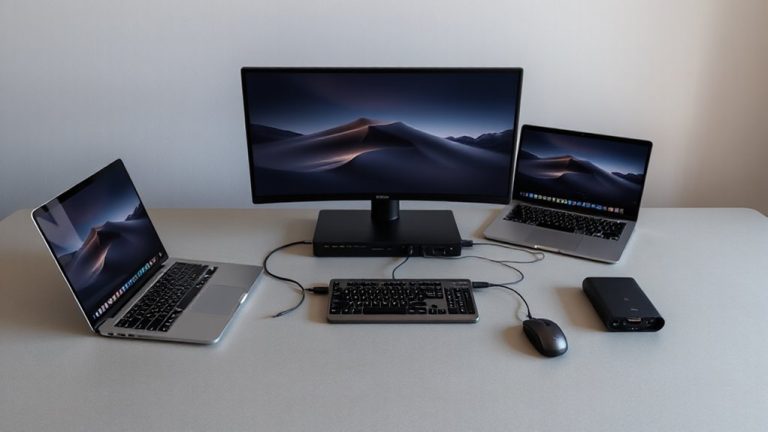
You’ve set the tone for your day with a solid morning routine-now protect that momentum by shaping a digital workspace that supports focus, not fatigue. Embrace digital minimalism: close unused tabs, silence nonessential notifications, and keep only task-critical apps visible. This reduces cognitive load and sharpens your attention. Use focused navigation by scheduling blocks for email, messages, and deep work-tools like website blockers or app timers reinforce these boundaries. A clutter-free screen isn’t just clean-it’s functional, lowering distraction risk during high-stakes tasks. While dual monitors can boost productivity, they also tempt multitasking; test setups for at least a week before deciding. Wired peripherals often provide more consistent performance than wireless, but check cable management to avoid physical clutter. Avoid overinvesting in premium gear too soon; effectiveness matters more than specs. Start simple, refine with real-world use, and adjust based on energy, not trends. A well-organized desk setup, such as one of the best desks for dual monitors, can enhance both comfort and efficiency when working remotely.
Take Strategic Micro-Breaks to Recharge
When you’re deep in focus, it’s easy to push through hours without moving-until fatigue creeps in and productivity drops. Taking strategic micro-breaks helps you recharge without disrupting flow. Every 45–60 minutes, step away for 3–5 minutes to reset. Use breath exercises-like box breathing (inhale 4 sec, hold 4 sec, exhale 4 sec)-to calm your nervous system and sharpen focus. Pair that with simple stretch routines: neck rolls, shoulder shrugs, seated spinal twists-to ease tension and improve circulation. These aren’t long or disruptive, but they’re proven to reduce mental fatigue and physical strain, especially when sitting at a desk. You don’t need special gear; just consistent timing and movement. Just be careful not to extend breaks too long-stick to the clock. Overdoing it can fragment your workday. Used wisely, micro-breaks boost stamina, clarity, and long-term resilience in demanding remote roles. For seated comfort during work intervals, consider a desk hammock to support posture and reduce lower back strain.
Stay Connected to Reduce Isolation
How do remote workers maintain morale and focus without the buzz of an office? You stay connected-intentionally. Regular team check ins keep you aligned and seen, reducing the drift that isolation brings. These aren’t just status updates; they’re moments to sync on goals, voice concerns, and reaffirm your role in the team’s mission. Pair them with casual virtual coffee chats, and you build rapport beyond tasks. Think of it as emotional infrastructure: brief, low-pressure interactions that reinforce belonging. But don’t over-schedule-too many calls cause fatigue, not connection. Aim for consistency, not volume. Use simple tools like Zoom or Teams; no need for premium plugins or noise-canceling headsets to start. The real investment is time, not gear. When done right, these practices buffer loneliness without adding burnout-just keep them human, not performative.
Recognize Burnout Before It Hits
Burnout doesn’t arrive all at once-it creeps in through missed breaks, late-night replies, and the slow drain of constant connectivity. You can avoid it with emotional awareness and honest assessment of your workload balance. Watch for early signals before exhaustion sets in. The table below outlines key signs and adjustments:
| Signal | Risk if Ignored | Quick Adjustment |
|---|---|---|
| Irritability | Strained teamwork | Pause and breathe before responding |
| Fatigue | Lower focus, more errors | Reset sleep schedule, limit screens |
| Disengagement | Missed deadlines | Re-prioritize tasks with emotional awareness |
| Overcommitting | Poor workload balance | Say no, delegate, or renegotiate timelines |
Spotting these patterns helps you act early-no special gear or office upgrades required. Real prevention comes from habits, not hardware. Some tools might support your efforts, but none replace honest self-checks. Stay sharp by listening to your body and adjusting proactively.
Review Your Week to Sustain Resilience
Why wait for stress to build before checking in on your progress? Set aside time each week for a honest weekly reflection-no fancy apps or office gear needed. Progress tracking doesn’t mean measuring every minute; it means noting what moved you forward and what drained you. Did you hit key tasks? Stay within working hours? Protect your focus? Use a simple notebook or digital document to log patterns. This habit builds self-awareness and sustains resilience over time. But don’t obsess over perfection-consistency matters more than detail. Weekly reflection works best when it’s routine, not rigid. Skip the gimmicks: standing desks or noise-canceling headphones might help some, but they won’t fix poor boundaries. Real resilience comes from honest review, not equipment upgrades. Stick with it, and you’ll see clearer priorities and fewer surprises.
On a final note
You’ve got this, but only if you act now-small, consistent steps build real resilience. Stick to clear boundaries and routines, not gimmicky gear. A good desk chair helps, but posture matters more than padding. Test tools like noise-canceling headphones for focus, but know they won’t fix burnout. Track weekly progress honestly; even 10 minutes of reflection reveals gaps. Remote work works when you plan-not because of products, but because of practice, patience, and regular, real check-ins.