Setting up a Cable Management System With Reusable Braided Sleeves
Skip zip ties and use reusable braided sleeves-they’re durable, reduce waste, and prevent wire damage. Choose nylon for flexibility or PET for long-term runs, sizing sleeves to fit your bundle plus expansion. Install with even tension, leaving room for heat and service loops. They’re great for home and office setups but aren’t waterproof or load-bearing. Most last years with proper care, backed by a 1-year warranty. See how small choices add up in lasting performance.
Notable Insights
- Skip zip ties and use reusable braided sleeves to avoid waste, prevent wire damage, and allow easy cable access.
- Choose the right sleeve size and material-nylon for flexibility, PET for durability-based on your cable bundle diameter.
- Prepare cables by organizing them first, then thread through the sleeve by pulling the drawstring or splitting the weave.
- Maintain even tension and avoid overstuffing to ensure coverage, prevent snags, and allow room for heat dissipation.
- Extend use beyond cables by labeling with tags, color-coding, or repurposing for home décor and office organization.
Skip Cable Ties: Why Braided Sleeves Work Better
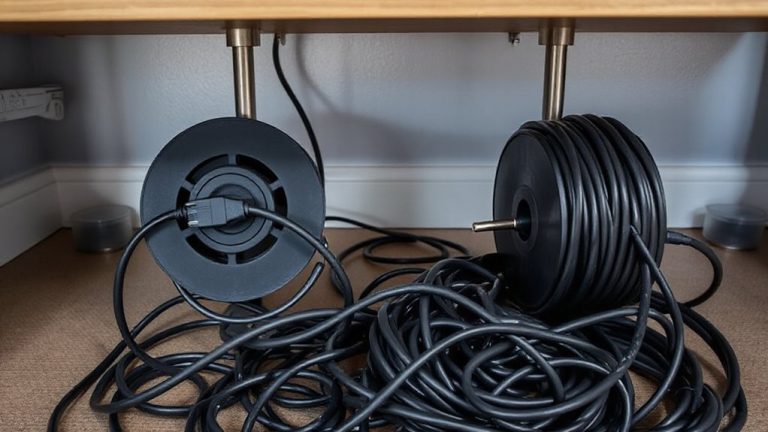
While zip ties might seem like a quick fix for taming messy cables, they’re often a poor long-term choice-once tightened, they can’t be adjusted, and cutting them off creates waste and risks damaging wires. Braided sleeves offer a smarter alternative, with better durability comparison and far greater aesthetic appeal. You can easily slide them open to add or remove cables, making future upgrades simple. Unlike plastic ties that crack under UV exposure or temperature swings, quality nylon braided sleeves resist wear, flex, and abrasion over time. They also look cleaner, blending well in both home and professional setups. Just be honest about your needs-sleeves aren’t ideal for high-tension routes or outdoor runs where rigid protection is required. And while they cost more upfront than a pack of zip ties, their reusability offsets expense. Proper installation matters: leave slack for service loops and avoid overstuffing. For those who still need traditional fastening solutions, the best cable ties offer strong, reliable performance in demanding environments.
Choose the Right Braided Sleeve Size and Material
You’ll get the best results with braided sleeves when you match the right size and material to your setup. Getting the fit wrong can lead to bulging or excess slack, while poor materials reduce sleeve durability and limit material flexibility. Choose based on your cable bundle diameter and environment.
| Material | Flexibility & Durability Notes |
|---|---|
| Nylon | High material flexibility; moderate sleeve durability |
| PET | Stiffer but excellent sleeve durability |
| Hybrid weave | Balanced flexibility and long-term durability |
Nylon works well for frequent adjustments, while PET suits permanent runs. Hybrid options offer a middle ground. Always measure your bundle first-sleeves expand to 1.5x their size. A snug fit prevents fraying but shouldn’t pinch. Consider workspace wear: under-desk setups need tougher materials. Test a short length first. Not all sleeves handle tight bends or sunlight equally. Proper cable management solutions can significantly improve both functionality and aesthetics of your workspace.
Step-By-Step: Bundle Cables With Braided Sleeves
Once you’ve picked the right braided sleeve size and material, installing it properly guarantees clean cable runs that last. Start with cable grouping-align power, data, and peripheral cables neatly, avoiding sharp bends that strain insulation. For sleeve threading, open the braid by pulling the inner drawstring or splitting the weave slightly, then feed your grouped cables through from one end. Keep tension even as you pull the sleeve over the bundle-this prevents snagging and assures full coverage. Most sleeves stretch to fit, but overcrowding can limit flexibility and heat dissipation, so leave a little slack. Reusable sleeves let you add or remove cables later, but frequent adjustments may loosen the braid over time. They’re not waterproof or fireproof, so keep them away from heat sources and damp areas. Proper installation means lasting neatness without sacrificing function. A key part of achieving a clutter-free workspace is selecting the best cable management solutions based on your desk setup and usage needs.
Creative Uses for Braided Sleeves at Home and Office
Think beyond the tech drawer-braided sleeves aren’t just for tidying monitor cables anymore. You can use them for DIY home decor, like wrapping fairy lights for a sleek wall accent or bundling curtain cords neatly behind your window treatments. In the office, they’re solid office organization hacks-group cords behind your desk or label cords by function with colored tags threaded through the weave. Made from durable PET or nylon, most sleeves stretch to fit but won’t sag over time, and they handle temps from -40°F to 212°F. They’re washable, reusable, and typically come with a 1-year warranty. Just don’t rely on them for heavy structural support-they’re flexible, not load-bearing. With proper placement, they boost both function and look.
Maintain a Tangle-Free Cable System
A tidy workspace starts with a reliable system, and reusable braided sleeves deliver when it comes to keeping cables tangle-free. Proper sleeve routing prevents snags and strain, especially where cables bend near desks or walls. Pair this with clear cable labeling so you always know which cord powers what-no more guessing during reboots or moves. To stay organized, group similar devices and maintain consistent routing paths.
| Cable Type | Sleeve Diameter | Labeling Tip |
|---|---|---|
| HDMI | 10mm | Tag by display name |
| USB peripherals | 8mm | Note device function |
| Power cables | 13mm | Mark by outlet zone |
| Ethernet | 10mm | Label source/destination |
| Charging cords | 8mm | Indicate owner/device |
Reusability cuts waste, but tight bends can weaken connections over time-route smoothly. Labels last longer when laminated or printed on vinyl.
Fix Common Braided Sleeve Installation Problems
You’ve got your cables grouped, labeled, and routed through reusable braided sleeves to keep your setup clean and tangle-free-now it’s time to tackle the hiccups that can come with installation. Sleeve fraying usually happens when you pull cables too aggressively, especially at sharp bends; slow down and feed cables gently to avoid damage. Installation misalignment occurs when the sleeve doesn’t lie flat along the routing path, often due to incorrect zip tie placement or uneven tension. Fix it by loosening and re-securing every 6–8 inches for consistent alignment. These sleeves aren’t indestructible-expect minor wear over time, even with careful use. While they handle frequent reconfiguration better than velcro or adhesive wraps, repeated resizing can stress the weave. Choose high-density polyester sleeves with a tight braid for better durability. Test fit before finalizing routing to catch alignment issues early.
On a final note
You’ll get cleaner cable runs with reusable braided sleeves, especially in high-traffic home office setups where frequent access matters. Their expandable nylon weave fits bundles up to 1 inch thick and withstands daily tugging better than zip ties. Just confirm exact cable lengths first-overestimating causes slack, while tight weaves strain ports. Most reputable brands offer 2-year warranties, but UV exposure can degrade outdoor models in under six months.