How to Design a Mental Health-Friendly Home Office Layout
Set up a dedicated workspace to support focus and mental well-being. Use an ergonomic chair with lumbar support and adjust your desk so it’s elbow-height to prevent strain. Position it near a window for natural light, angled to avoid screen glare. Add plants or wood finishes for calm. Stick to a consistent schedule, then step away-physically and digitally-when done. Your space should help you work well, not wear you down, and small tweaks can make a noticeable difference over time.
Notable Insights
- Position your desk near a window to maximize natural light while avoiding screen glare for balanced illumination.
- Choose ergonomic furniture with lumbar support and set desk height at elbow level to reduce physical strain.
- Incorporate natural elements like wood finishes and indoor plants to create a calming, cortisol-reducing environment.
- Use soft blue or sage green wall colors with eggshell sheen to promote focus and reduce anxiety.
- Declutter regularly and practice digital minimalism to minimize mental fatigue and maintain clear focus.
Create a Dedicated Space to Protect Mental Well-Being
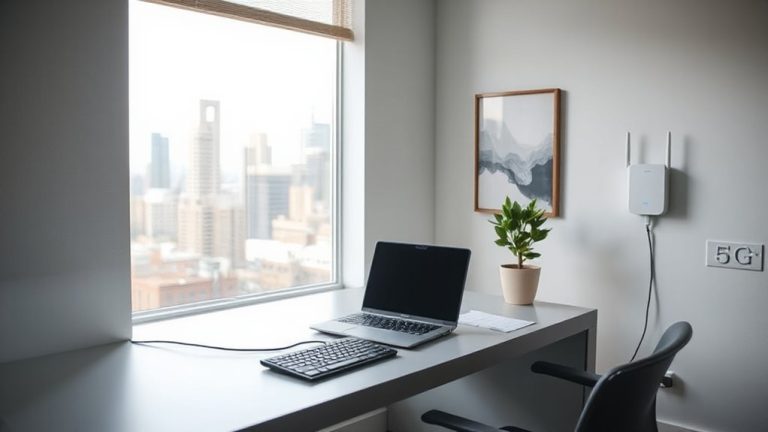
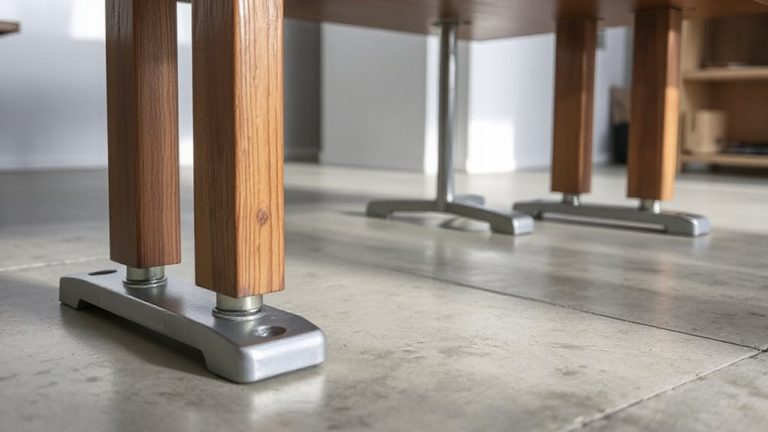
A defined workspace isn’t just convenient-it’s a cornerstone of mental well-being when working from home. You’ll think clearer and stay focused when your brain associates one zone solely with work. Start with ergonomic furniture: a chair that supports your lumbar spine and a desk at elbow height reduces strain over time-look for adjustable armrests and a five-year warranty for durability. Pair this with natural elements like wood finishes or indoor plants; they’ve been shown in studies to lower cortisol levels. But don’t assume more is better-overcrowding the space harms both function and calm. A potted snake plant or small jade plant adds greenery without demanding constant care. Even a view of trees through a window helps. Just make sure lighting stays balanced-direct sun can create glare. This setup works only if you keep it strictly for work. For optimal comfort and productivity, consider a top home office desk that combines adjustability with ample surface area.
Define Clear Work-Life Boundaries in Your Home
When you finish work, you should actually leave your workspace-don’t just shut the laptop and stay put. Defining clear work-life boundaries protects your mental health. Stick to fixed work hours and step away when they end. A daily digital detox helps you unwind and recharge.
| Activity | Time | Location |
|---|---|---|
| Start work | 9:00 AM | Desk only |
| Lunch break | 1:00 PM | Kitchen or park |
| End work | 5:30 PM | Shut down office |
| Digital detox | 7:00 PM | No screens |
Physically exiting your office signals your brain that the workday is over. Use a simple timer or calendar alert to honor work hours. While open-plan spaces make separation harder, room dividers or designated zones can help. Not every home allows for ideal setups, but consistency matters more than equipment. Avoid working from bed or the couch-it blurs boundaries. With time, these habits support lasting focus and recovery.
Declutter to Reduce Anxiety and Boost Focus
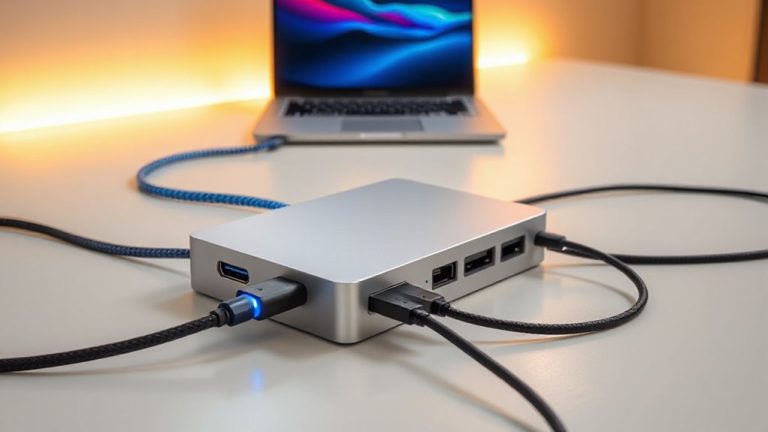
Clutter isn’t just messy-it’s mentally taxing. Every stray paper or tangled cord competes for your attention, increasing anxiety and weakening focus. You’ll work better with mindful organization: group similar items, use labeled containers, and limit desk accessories to only what you use daily. Digital minimalism helps too-close unused browser tabs, unsubscribe from spam, and keep your desktop folder count under ten. A clean space clears your mind, but don’t aim for perfection; overly strict systems often fail in real life. Minimalist setups with cable trays, slim monitors, and drawer organizers can last years with routine upkeep. Just remember, storage solutions should fit your habits, not force new ones. Some products look great but lack durability-check warranty length and customer reviews. Decluttering isn’t about buying more tools. It’s about reducing noise, physically and mentally, so you can start work with less stress and more clarity. Effective cable management starts with choosing the right cable management solutions based on your desk setup and usage needs.
Let in More Light and Fresh Air for Energy
Natural light and airflow aren’t just pleasant-they’re performance boosters. You’ll feel more alert and focused when your workspace gets strong natural lighting, especially morning sunlight, which helps regulate your circadian rhythm. Position your desk near a window to maximize daylight exposure, but avoid direct glare on your screen-angled placement or sheer blinds can help. Opening windows regularly also delivers key ventilation benefits, reducing stuffiness and CO₂ buildup that dulls concentration. If outdoor noise or pollution is an issue, consider a balanced ventilation system with filters. While air purifiers and daylight lamps are useful backups, they don’t fully replicate the mood and energy lift of real sunlight and fresh air. Just remember: more light and airflow help, but extreme temperatures or drafts can offset gains. Balance comfort with consistency for the best results.
Use Calming Colors That Support Focus and Mood
A well-chosen color palette can make a real difference in how calm and focused you feel at your desk, but not all soothing shades deliver the same results. Color psychology shows that certain hues influence mood enhancement and concentration in measurable ways. Soft blues and greens, for example, lower stress, while warm neutrals offer comfort without dulling alertness.
| Color | Effect on Focus & Mood |
|---|---|
| Soft Blue | Calms mind, boosts productivity |
| Sage Green | Balances energy, reduces anxiety |
| Warm Gray | Neutral base, easy on the eyes |
| Lavender | Encourages relaxation, mild alertness |
| Cream | Softens space, avoids starkness |
Paint sheen matters-eggshell reflects light gently, reducing glare. Keep saturation low; overly bright tones can overwhelm. Personal preference still plays a role, so test samples in your actual lighting before committing.
Reduce Noise for a Tranquil Work Environment
Even if your home office has the perfect layout and lighting, constant background noise can still wear you down and fragment your focus. You’ll need active solutions to create a truly tranquil work environment. Installing soundproof walls, like those with mass-loaded vinyl or insulated drywall, can substantially block outside noise-real-world tests show up to a 75% reduction in sound transmission. But they’re costly and require professional installation, so consider them for permanent setups only. A more flexible choice: noise cancelling curtains. These thick, layered drapes absorb sound and reduce echo, especially when paired with sealed windows. They’re easier to install and cost a fraction of structural changes, though they won’t eliminate loud, low-frequency sounds like traffic. Used together, they offer solid improvement-but manage expectations. No solution kills all noise, and results depend on your space and noise type.
Personalize With Uplifting, Meaningful Details
Why settle for a sterile setup when your workspace could actually lift your mood? You’re more likely to feel grounded and motivated when your space includes uplifting, meaningful details. Integrate art therapy principles by choosing colors and shapes that calm or inspire-soft blues or organic forms help reduce stress. A framed print or handmade piece you connect with can do more than decorate; it can shift your emotional state. Surround yourself with photo memories that spark joy, like a shelf showing real printed images from meaningful trips or loved ones. These aren’t just sentimental-they create visual anchors that ease mental fatigue. But don’t overcrowd; clutter counteracts calm. Aim for 2–3 curated items within easy sightlines. Avoid overly busy compositions or dim, pixelated prints. Quality framing and lighting preserve mood benefits long-term. For a clean yet expressive touch, consider Minimalist Desk Decor Favorites to thoughtfully enhance your surface with intention.
On a final note
You’ll work better and feel calmer in a thoughtfully arranged home office. Carve out a dedicated zone, even if it’s small-this boundary sharpens focus and eases stress. Natural light, decluttered surfaces, and noise control make daily tasks feel smoother. Calming colors and personal touches help, but don’t overdo decor or buy gear you haven’t tested. A $300 ergonomic chair might help your back, but only if it fits your body and room layout-measure twice, buy once.