Maintaining Productivity During Major Life Transitions While Working Remotely
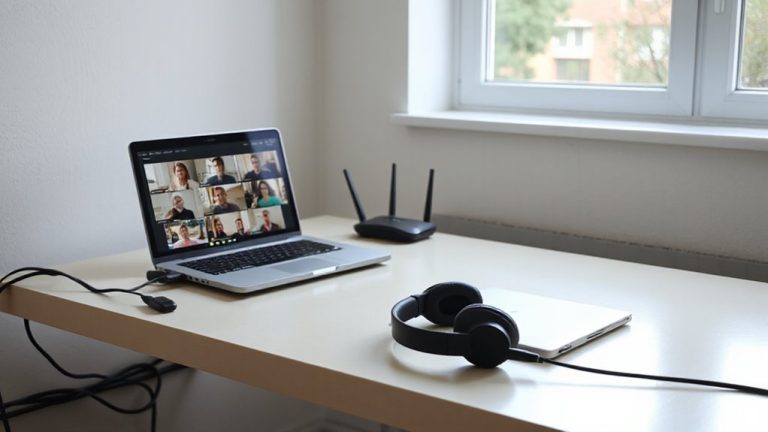
You can stay productive during major life changes, but it means scaling back realistically. Notice early signs like irritability or low energy-they signal you need adjustments. Set clear work hours and use a quiet space with a reliable laptop (16GB RAM minimum) and noise-canceling headphones. Tell your team what’s going on so expectations stay aligned. Shift your schedule around real priorities, like school drop-offs, and focus only on urgent tasks. Tools like Todoist help-if you use them consistently. Flexibility works, but only with honesty about what you can handle right now-and what comes next might surprise you.
Notable Insights
- Recognize early emotional and behavioral shifts through daily check-ins to maintain focus during transition periods.
- Set clear physical and temporal boundaries to separate work from personal life and conserve mental energy.
- Communicate openly with your team about changing availability to preserve trust and coordination.
- Adapt your work schedule around real-life priorities to sustain productivity during upheaval.
- Use reliable tools and simplified task management to reduce cognitive load and prevent burnout.
Notice When Life Is Shifting Beneath You
While life rarely announces major changes in advance, you’re often better off spotting the subtle signs before they disrupt your focus-especially when working remotely. You might notice shifts in mood, motivation, or daily rhythms-a bit more irritation, less energy, or trouble concentrating. These are subtle cues your emotional awareness can catch if you’re paying attention. Ignoring them can quietly erode productivity over time. You don’t need special tools-just regular self-check-ins, like pausing midday to ask how you’re really feeling. Journaling helps, too. It’s not about fixing everything at once, but recognizing patterns early. You’ll trade some mental bandwidth for better control later. The real benefit? Staying grounded before small shifts become crises. But don’t overanalyze-emotional awareness isn’t about perfection. It’s practical, not magical. Use it to adjust, not obsess.
Set Boundaries That Protect Your Energy
Your focus is only as strong as the boundaries protecting it. Effective energy management starts with clear boundary setting-deciding when work begins and ends, and sticking to it. Treat your remote setup like a real office: log off after hours, silence non-essential notifications, and designate a workspace separate from personal areas. Use a physical boundary, like a closed door or room divider, to signal mental separation. Track your energy peaks and schedule demanding tasks within them, but don’t overoptimize-rigid routines can backfire during life shifts. Apps like Focus To-Don or built-in screen time trackers help monitor usage without distraction. Hard boundaries on availability protect your focus, but remain flexible enough to adjust as needs shift. Over-investing in expensive office gear won’t replace consistent habits. Simple, tested tools-a sit-stand desk converter, blue-light filter, or noise-canceling headphones-can support boundaries if used intentionally. A well-chosen best home office desk can enhance both comfort and productivity by supporting proper ergonomics and workflow efficiency.
Talk Honestly With Your Team About Changes
How do you keep your team aligned when life throws a curveball? You lean into honest communication. When personal changes arise-like moving, caregiving, or health issues-your team needs context to stay in sync. Hiding struggles erodes trust, while team transparency builds mutual respect and realistic expectations.
| Factor | Impact |
|---|---|
| Delayed updates | Causes misalignment |
| Clear rationale | Builds empathy |
| Unclear availability | Reduces reliability |
Speaking openly doesn’t mean oversharing; it means giving enough detail so workflows adjust smoothly. You maintain credibility by being direct yet professional. Yes, vulnerability carries risk-some may misinterpret capacity limits as disengagement. But consistent honest communication strengthens collaboration over time. Team transparency isn’t about perfection; it’s about predictability. When you normalize change, your team adapts faster-without sacrificing accountability or respect.
Rework Your Schedule Around Real Life
Why should you treat your work schedule like a one-size-fits-all template when life keeps changing? You shouldn’t. Major life changes-moving, parenting, caregiving-demand that you rework your schedule around real life, not the other way around. Start by defining your personal priorities: maybe it’s school drop-offs, therapy appointments, or quiet focus blocks. Then, build flexible routines that respect those needs without sacrificing productivity. Shift meetings earlier or later if it helps, but communicate changes clearly. Fixed 9-to-5s often fail during upheaval. Instead, aim for consistent output, not rigid hours. Just remember: flexibility isn’t an excuse for constant availability. Set boundaries to avoid burnout. Adjust every few weeks as circumstances evolve. Realistic planning beats perfect timing every time.
Pick Reliable Tools That Reduce Mental Load
Sticking to an adjusted schedule only works if your tools keep up with the demands of change. Your tool selection directly impacts mental clarity, so choose software and hardware that operate reliably under stress. A noise-canceling headset with a 20-hour battery, like the Jabra Evolve2 65, cuts distractions during chaotic days. Apps like Todoist or Notion help track tasks without clutter, but only if you use them consistently. Avoid overloading your stack-more tools often mean more friction. Stick with platforms offering strong uptime records and offline access. A reliable laptop with at least 16GB RAM guarantees smooth multitasking, while a mechanical keyboard with tactile feedback can reduce input errors. Always check return policies and trial periods. A $100 investment means nothing if the tool disrupts your focus. Test thoroughly. Good gear supports your rhythm-it shouldn’t dictate it. For video calls that maintain professionalism despite environmental shifts, consider a high-quality best webcam with solid low-light performance and easy setup.
Focus on the Tasks You Can Actually Handle Now
Right now, your bandwidth matters more than your to-do list. During big life shifts, you’ve got to prioritize present tasks and manage immediate demands-anything else risks burnout. Forget tackling everything; focus only on what’s actionable today. Small wins keep momentum without overwhelming your capacity.
| Task Type | Effort Required | Recommended Action |
|---|---|---|
| Urgent & Easy | Low | Do it now |
| Important & Complex | High | Break into steps |
| Non-urgent | Medium | Defer or drop |
This simple filter helps you stay grounded. Yes, progress feels slower, but it’s sustainable. You’re not underperforming-you’re adjusting wisely. Tools like task batching or time-blocking help, but only if they don’t add pressure. If a method feels taxing, ditch it. Productivity isn’t about doing more-it’s about doing what matters now, with what you’ve got.
Ask for Help Where It Matters Most
When life changes throw your routine off balance, reaching out for support isn’t a sign of weakness-it’s a strategic move to protect your focus and energy. You don’t have to handle everything alone, especially when emotional support from trusted friends or family can ease mental strain. At the same time, professional guidance-like talking to a therapist or career coach-can clarify priorities and prevent small setbacks from snowballing. These resources help you stay grounded without burning out. Still, be selective; not all advice is equally useful. Focus on people who’ve faced similar changes and can offer practical insights. Avoid over-relying on tools or office gear to fix deeper stress-no ergonomic chair or noise-canceling headset replaces real conversation. Balance is key: seek support early, but stay mindful of boundaries and time spent discussing issues versus acting on them.
On a final note
You can stay productive during big life changes, but only if you set clear boundaries and adjust your schedule realistically. Use reliable tools-like noise-canceling headphones or adjustable desks-tested for daily wear and with solid warranties. Yet no gear fixes poor communication: talk openly with your team. Results improve when routines match real life, not idealized versions of it. Trade-offs exist-flexibility often means extra self-discipline.