Managing Chronic Pain Conditions While Working From Home Full-Time
You can manage chronic pain while working from home, but only if you address hidden triggers like stress and clutter that increase muscle tension and mental fatigue. Set up your desk so your monitor’s at eye level, use a chair with solid lumbar support, and take short movement breaks every hour to reduce stiffness. Balance boards and external keyboards help, but consistency matters more than gear. Real progress comes from matching your routine to your body’s daily limits-there’s more to sustainable relief than ergonomics alone.
Notable Insights
- Optimize your workspace with ergonomic furniture to reduce muscle strain and support proper posture.
- Schedule mindful work blocks and rest breaks to manage energy levels and prevent pain flare-ups.
- Reduce visual and physical clutter to minimize mental fatigue and improve mobility at home.
- Integrate short, gentle movements hourly to combat stiffness and support circulation.
- Communicate clearly with employers about functional needs and necessary remote work accommodations.
Name Your Pain Triggers at Home
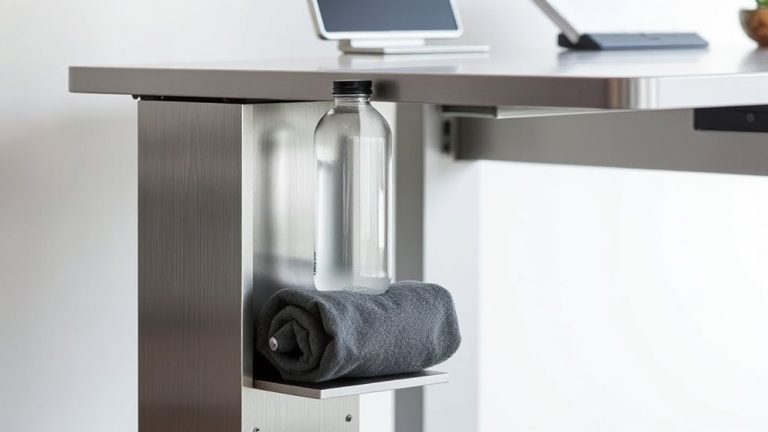
What really sets off your pain while working from home? Emotional stress and household clutter are major triggers you can’t afford to ignore. When anxiety builds, muscle tension follows, worsening chronic pain over time. A cluttered space isn’t just distracting-it fuels mental fatigue and makes movement harder, especially if you need room to stretch or shift positions. You might feel overwhelmed fast, turning small tasks into physical strain. Tackling clutter isn’t about perfection; it’s about clearing pathways and reducing visual noise to help your nervous system relax. But don’t mistake organization for a cure-all-emotional stress needs active management, not just tidying up. Mindfulness, breaks, or therapy help, but results vary. There’s no warranty on emotional relief, and progress takes real-world consistency. Decluttering helps, but it won’t fix deep-seated stress alone. Balance is key. Implementing effective office storage solutions can significantly reduce physical strain by keeping essential items within easy reach and minimizing unnecessary movements throughout the day.
Design a Remote Workspace That Protects Your Body
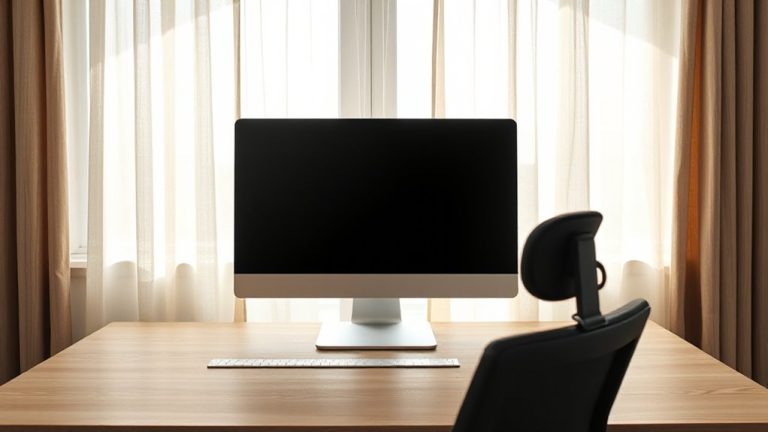
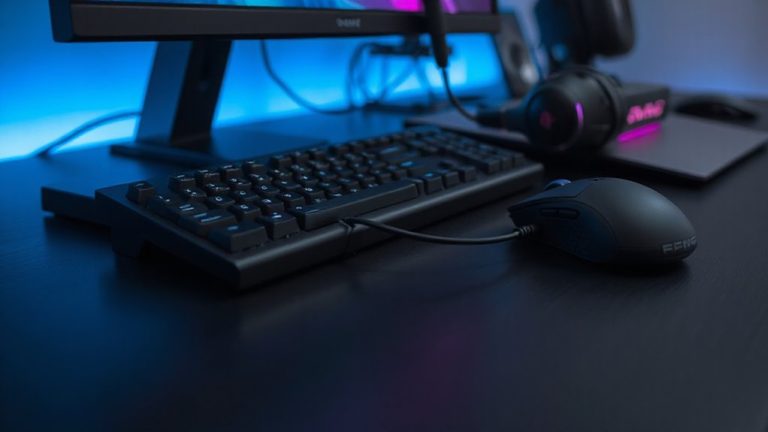
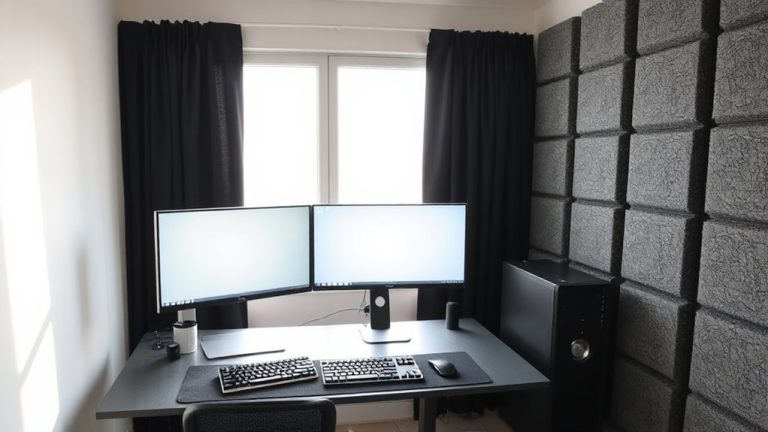
You can reduce daily pain flare-ups by setting up a workspace that supports your body, not fights it-starting with how you arrange your desk, chair, and screen. An ergonomic setup helps maintain posture alignment, reducing strain on your neck, back, and wrists. Position your monitor at eye level, about an arm’s length away, to avoid hunching. Use a chair with lumbar support and adjustable height so your feet rest flat and knees stay at 90 degrees. A desk at elbow height prevents shoulder tension. While sit-stand desks offer flexibility, they aren’t essential-consistent posture alignment matters more. Wrist rests and external keyboards improve typing angles. Most changes cost under $100, but results vary-track your pain for two weeks to test what works. No single setup fixes everyone. For those seeking optimal comfort and adjustability, consider exploring top-rated best home office desks that balance ergonomics and affordability.
Build a Daily Rhythm That Respects Pain Fluctuations
Though pain levels often shift throughout the day, sticking to a flexible routine can help you work effectively without worsening symptoms. You’ll benefit from mindful pacing-breaking tasks into small blocks with built-in rest periods-so you avoid overexertion. This isn’t about pushing through; it’s about working with your body’s signals. Energy banking means saving reserves during low-pain times for when flare-ups hit, helping sustain productivity. Plan demanding work early if mornings are better, or step away midday if stiffness rises. Use timers or app reminders to stay on track without relying on willpower. There’s no perfect schedule, but testing patterns for a week or two helps identify what works. Be ready to adjust-what helps today might not tomorrow. Consistency matters, but flexibility is key to long-term balance.
Move Intentionally to Prevent and Ease Flare-Ups
Staying active with purpose can make a real difference in managing chronic pain while working from home, especially when built on the foundation of a flexible daily rhythm. You don’t need intense workouts-gentle stretching and mindful movement are more effective for preventing flare-ups. Short, intentional breaks every hour help maintain mobility without overloading sensitive tissues. Try shoulder rolls, neck tilts, or seated spinal twists for two to three minutes at a time. These movements improve circulation, reduce stiffness, and keep your nervous system regulated. Pair them with slow, controlled breathing to enhance effectiveness. However, consistency matters more than duration-rushing through motions can worsen symptoms. Avoid forcing any position; discomfort is a signal to adjust. Over time, these small efforts add up, supporting longer work periods with less pain. No special equipment is needed, which keeps things simple and accessible. Using a best balance board can further enhance subtle movement while standing at your desk.
Make Your Environment Work for Chronic Pain
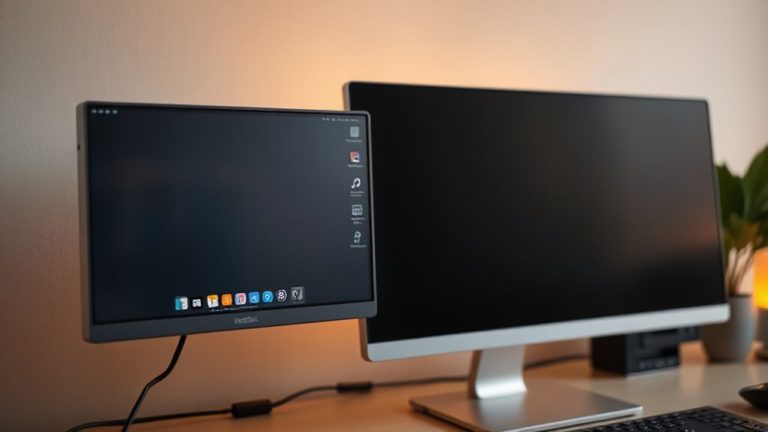
Ergonomics isn’t just a buzzword-it’s a necessity when managing chronic pain from a home office. You need a setup that supports mindful posture and reduces strain. Start with an adjustable chair that lets your feet rest flat and knees stay at 90 degrees. Pair it with a desk at elbow height to keep wrists neutral. Your monitor should sit at eye level, about an arm’s length away, to avoid neck tension. Use ergonomic lighting-position soft, natural-spectrum bulbs to reduce glare and eye fatigue, ideally from the side or behind the screen. Avoid harsh overhead lights. While standing desks or cushioned mats can help, they’re not magic fixes-test them for a few weeks to see real impact. Some people find relief; others don’t. Results vary. Prioritize comfort over trends.
Talk to Your Employer About Pain Realities
How do you explain chronic pain to someone who can’t see it? Start with honesty-pain transparency builds trust and opens doors to reasonable accommodations. Employers can’t offer support if they’re unaware, and employer empathy starts with clear, direct communication. You don’t need to share every detail, but outlining your needs helps align expectations.
| Symptom | Visibility | Work Impact |
|---|---|---|
| Fatigue | Low | High |
| Joint stiffness | Medium | Medium |
| Migraine | Low | Very High |
| Nerve pain | Low | High |
| Muscle spasms | Medium | Medium |
Frame your condition around function, not feeling. Mention strategies you’re using-from ergo keyboards to sit-stand desks-but stress that tools alone aren’t cures. Be specific about adjustments like flexible hours or camera-off days. Avoid emotional appeals; focus on solutions. Employers respond best to clear cause-and-effect proposals tied to sustained productivity.
Rest Without Guilt: Recovery Is Productivity
While resting might feel like falling behind, it’s actually a core part of maintaining productivity when you’re managing chronic pain at home. Taking breaks isn’t laziness-it’s recovery, and recovery keeps you working longer with less flare-ups. Try mindful breathing for five minutes: it lowers tension and sharpens focus, making your work time more effective. You deserve emotional validation, not guilt, for listening to your body. Pushing through pain often leads to worse symptoms later, which hurts your output more than pausing ever could. Rest isn’t the opposite of productivity-it’s part of it. Schedule short recovery periods like you would meetings, and protect them. There’s no need for expensive gear or apps-just time and intention. But be realistic: rest strategies take practice and consistency. Over time, they help you sustain focus, reduce strain, and work smarter.
On a final note
You can manage chronic pain while working from home, but it takes consistent adjustments. An ergonomic chair with lumbar support and a sit-stand desk help, yet even top gear won’t fix poor habits. Pair 20-minute movement breaks with a well-placed monitor-at eye level, about 20 inches away. Real progress means tracking flare-ups weekly and adjusting. No setup eliminates pain, but smart changes reduce strain over time-just don’t expect overnight fixes.