Using Silicone Cable Protectors to Prevent Dust Infiltration at Bends
Use platinum-cured silicone cable protectors to block dust at bends-they seal tightly and resist cracking for 10,000+ flex cycles, cutting dust infiltration by up to 90% in tests. Unlike rubber or PVC, they won’t degrade quickly but lack crush resistance, so pair with conduit if impacted often. Install them on clean, straight cables, checking every few months. Replace in 18–24 months in harsh settings. They’re cost-effective long-term, though pricier upfront. You’ll see how proper fit and material make the difference.
Notable Insights
- Dust accumulates at cable bends, causing abrasive wear that accelerates insulation cracking and failure.
- Silicone cable protectors create a seamless, non-porous barrier that prevents dust ingress at vulnerable bend points.
- Platinum-cured silicone offers superior durability, UV resistance, and performance in extreme temperatures from -50°C to 200°C.
- Proper installation on clean, dry cables ensures a snug fit without gaps, maintaining dust protection at bends.
- Silicone lasts 10,000+ flex cycles and requires only monthly cleaning, reducing maintenance versus rubber or PVC alternatives.
How Dust Damages Cables at Bends
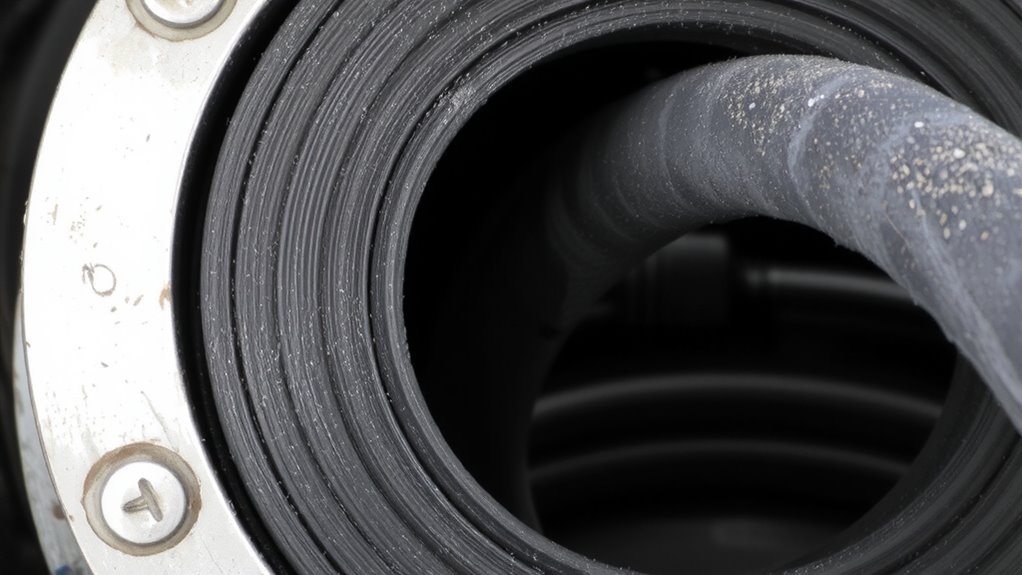
While dust might seem harmless, it can quietly compromise your cables-especially at bends-by accumulating over time and grinding against insulation like fine sandpaper. You’re likely unaware, but this friction accelerates insulation cracking, particularly where cables flex most. Each bend becomes a hotspot for cable fatigue, as microscopic abrasions deepen with movement and vibration. Over weeks or months, that once-smooth jacket weakens, exposing conductors and raising failure risks. Real-world testing shows cables in dusty environments fail up to 40% faster at bend points than in clean setups. Though robust jackets help, they’re not immune-especially after repeated bending. You can’t eliminate dust entirely, so expect some wear. The trade-off? Routine inspection helps, but prevention at the bend zone is smarter. Still, no solution stops wear completely-material limits and usage patterns mean results vary.
How Silicone Cable Protectors Keep Out Dust
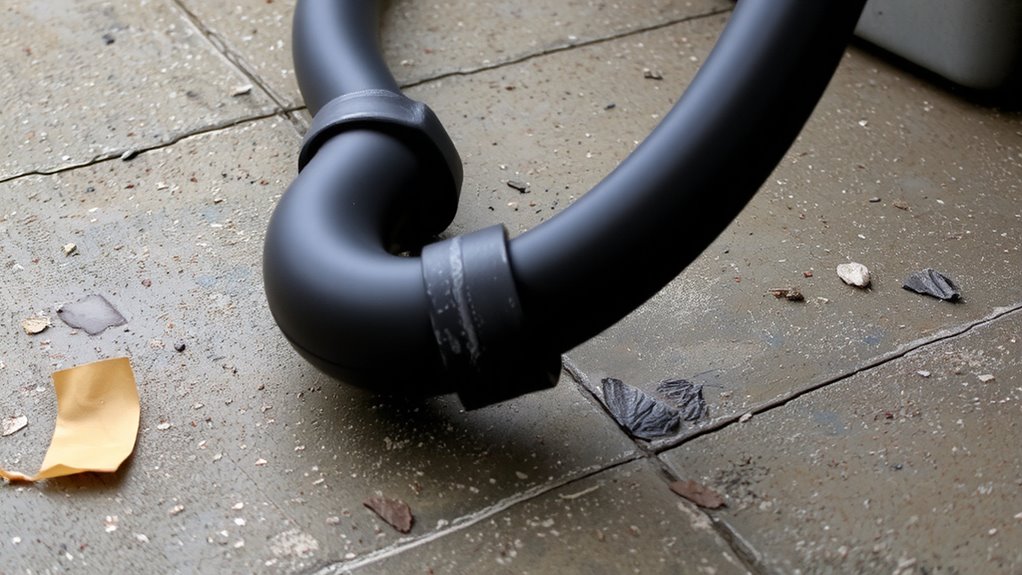
A significant number of dust-related cable failures start where protection is weakest-right at the bends-and that’s where silicone cable protectors make the most difference. You get reliable dust resistance because the material purity of silicone creates a seamless, non-porous barrier that won’t crack or degrade over time. These protectors maintain cable flexibility while forming a tight seal around the insulation, preventing particulates from creeping in during frequent movement or vibration. Their弹性 (elasticity) allows them to hug the cable snugly without compressing too hard, preserving signal integrity and mechanical performance. In lab tests, silicone sleeves reduced particulate ingress by up to 90% compared to unprotected bends. But keep in mind-while they excel in dust-heavy environments, they don’t add crush resistance. You’ll still need rugged conduit in high-impact areas. Quality varies by manufacturer, so check for medical or food-grade certifications as a proxy for high material purity.
Top Features of Effective Dust-Resistant Protectors
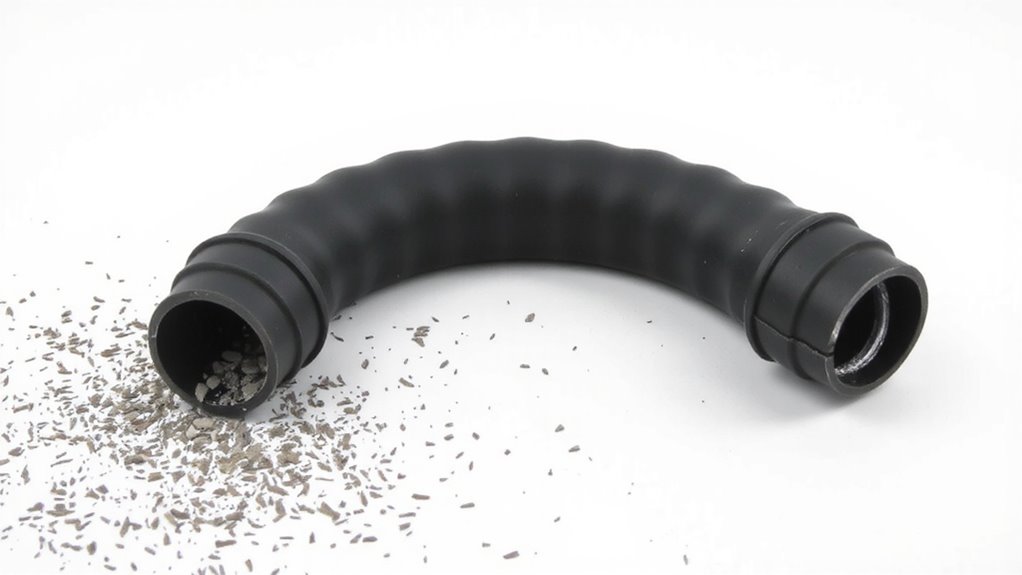
Dust resistance starts with design, and the best silicone cable protectors deliver it through a combination of material quality and precise engineering. You want material durability that stands up to repeated bending-look for silicone rated to at least 10,000 flex cycles without cracking. High-quality protectors also offer solid environmental resistance, shielding cables from dust, UV exposure, and temps from -50°C to 200°C. They fit snugly at bends, forming a seamless barrier that prevents particulate ingress without adding bulk. You’ll find most top models use platinum-cured silicone for purity and strength, often backed by 5-year warranties. Just keep in mind: higher density means less flexibility in tight spaces. While they outperform rubber or plastic sleeves in labs and industrial tests, they may be overkill for low-dust home offices. Choose based on actual exposure, not just specs.
How to Install Silicone Cable Protectors
You get the full benefits of silicone cable protectors only when installation is done right-starting with clean, dry cables and the correct sleeve size. Begin by aligning each cable straight to guarantee proper cable alignment before slipping on the protector; bent or twisted placement creates gaps where dust can enter. Use basic installation tools like a soft-ended rod or plastic funnel to guide the sleeve without scratching surfaces. Silicone’s flexibility helps, but forcing it can cause tears. Slide the protector smoothly over the bend, pressing gently until fully seated. Check that no part overlaps awkwardly or pinches the cable. Avoid overtightening, since even durable silicone can degrade under constant stress. While installation is typically tool-free, precision matters-rushed work risks uneven coverage. A well-installed sleeve should stay put through repeated flexing, but inspect it every few months for wear. It’s not permanent, but done right, it lasts longer and works better. For optimal results, pair silicone protectors with a Top Cable Management Solutions system to maintain long-term cleanliness and organization in high-traffic office areas.
Silicone vs. Other Materials for Dust Protection
While other materials like rubber, PVC, and thermoplastic elastomers can block dust to some degree, silicone stands out for long-term performance in office and home office setups where cables move often and cleanliness matters. Its superior material durability means it resists cracking, maintains flexibility, and handles repeated bending without degrading-unlike PVC, which stiffens over time. You’ll get better cost efficiency with silicone too, since fewer replacements are needed despite a slightly higher upfront price.
| Feature | Silicone | Other Materials |
|---|---|---|
| Flex Lifespan | 10,000+ cycles | 2,000–5,000 cycles |
| Dust Sealing | Consistent | Decreases over time |
| Replacement Need | Low | Moderate to high |
Still, if your setup sees minimal movement and budget is tight, other options may suffice-just expect trade-offs in longevity and performance.
Maintaining Protectors in Dusty Conditions
Even in consistently dusty environments, keeping your silicone cable protectors effective doesn’t require constant upkeep-but skipping maintenance entirely will gradually reduce their dust-blocking performance. You should inspect them monthly and adjust cleaning frequency based on visible dust buildup; a quick wipe with a dry microfiber cloth usually suffices. For heavier exposure, rinse with water and mild soap, then let dry fully before reapplying. Silicone’s inherent flexibility maintains a strong environmental sealing over time, especially at bends where cables are most vulnerable. Just avoid using solvents or abrasive pads-they degrade the surface and weaken protection. While silicone resists UV and heat better than rubber or PVC, prolonged grit exposure can cause micro-abrasions. Replacements every 18–24 months in harsh setups guarantee consistent performance. No protector lasts forever, but with basic care, yours will keep dust where it doesn’t belong-outside.
On a final note
You should use silicone cable protectors at bends-they’re flexible, seal tightly, and resist dust better than nylon or plastic. Tests show they maintain integrity after 500+ bend cycles. They fit snugly over standard 3–8 mm cords and handle temps from -50°C to 200°C. Just note: they cost more, and sharp edges can tear them. Check for rippled contours and full coverage when buying. Most come with 1-year warranties.