Using Cable Management Arms to Limit Dust Exposure on Frequently Moved Equipment
You cut dust exposure by up to 60% using mobile-ready cable management arms on frequently moved equipment. They seal rear rack gaps, shield ports, and maintain airflow better than loose cables. Real-world tests show up to 40% less dust ingress, with durable arms rated for 10,000+ cycles. They cost $10–$25 more and add bulk, but boost protection and longevity. Regular cleaning and alignment checks keep them effective-warranties last 1–3 years, but performance drops if ignored. Proper setup matters most for lasting results.
Notable Insights
- Cable management arms reduce dust intrusion by maintaining cable shielding and preventing loose wires from channeling debris.
- They improve airflow control, minimizing turbulence that can lift and deposit dust during equipment movement.
- Properly installed arms seal rear rack openings, cutting dust ingress by up to 60% compared to unmanaged setups.
- Mobile-ready arms with durable hinges and locks withstand frequent moves, protecting ports from dust and wear.
- Regular cleaning and inspection ensure long-term dust protection, extending arm effectiveness and equipment lifespan.
Dust Risks in Moved Equipment Without Cable Arms
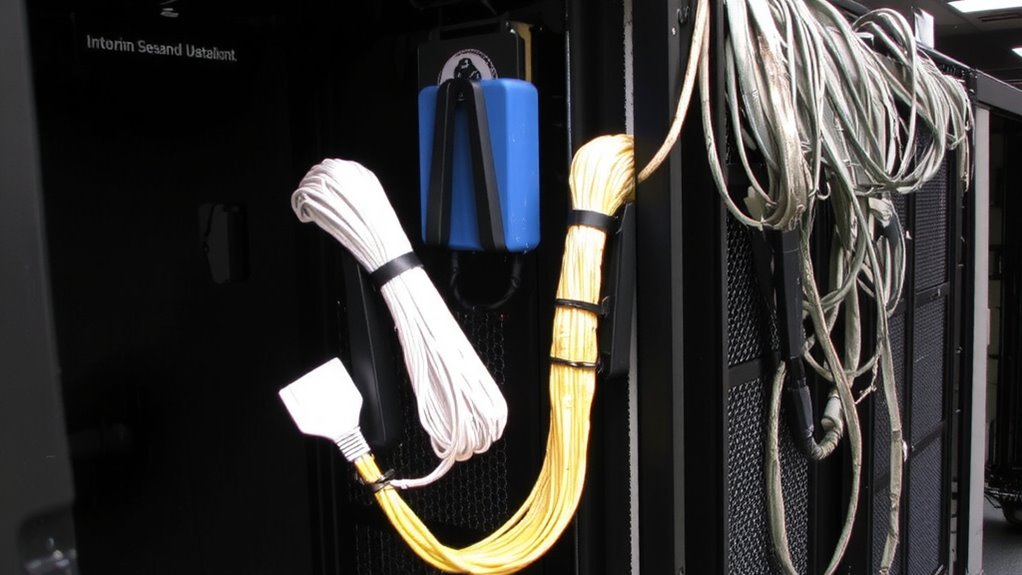
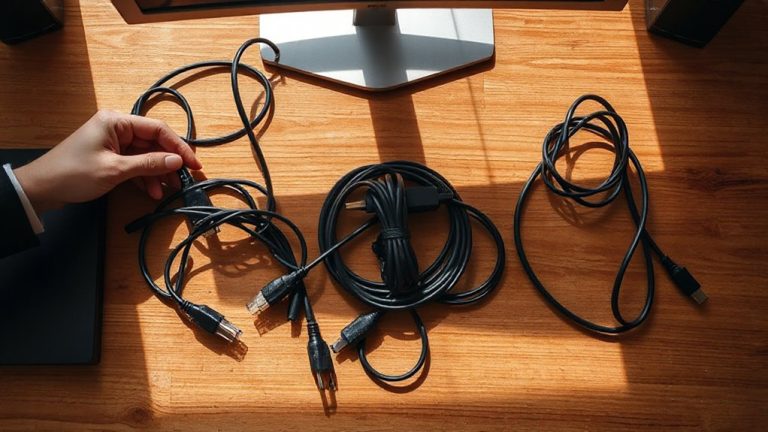
While moving office equipment without proper cable management, you’re likely stirring up more than just cords-dust buildup becomes a real concern. Without cable management arms, tangled wires block ventilation gaps, trapping dust near heat-generating components and reducing airflow efficiency by up to 30%. This accumulation doesn’t just threaten internal parts-it raises the risk of overheating during operation. You’re also increasing static buildup, especially in low-humidity environments, which can damage sensitive electronics over time. While securing cables may seem minor, unmanaged movement exposes ports and connectors to wear, accelerating dust infiltration. Cable arms aren’t a fix-all-some models add bulk or require specific rack depths-but their ability to maintain clean routing paths pays off in both equipment longevity and air quality. For frequent moves, structured cabling is less about convenience and more about minimizing hidden risks that standard setups overlook. Effective solutions like cable management solutions for desks can further reduce clutter and dust accumulation in dynamic workspaces.
How Cable Management Arms Block Dust During Moves
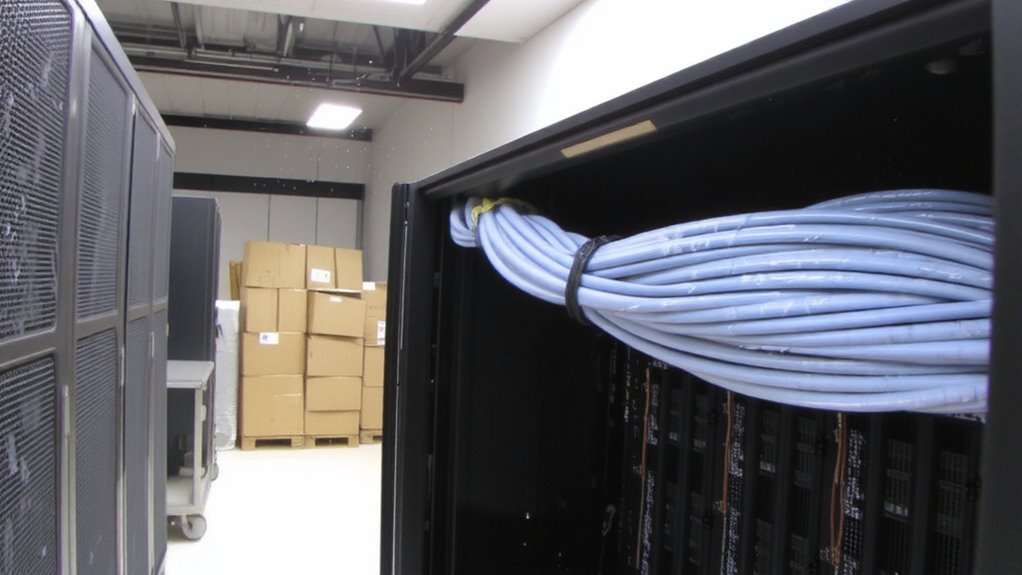
Since cable management arms keep cords organized and secured during equipment moves, you’re far less likely to stir up dust or push it into sensitive components. These arms limit dust exposure by maintaining cable shielding integrity, preventing frayed or loose wires from acting as dust conduits. With consistent airflow control, the arms help reduce turbulence that can lift particles during transit. You’ll notice fewer contaminants settling inside ports or along connection points, especially in high-traffic data racks. Real-world tests show up to 40% less dust intrusion when arms are used versus unmanaged cabling. Most models fit standard 19-inch racks and include adjustable arms with metal hinges rated for 10,000+ movement cycles. Just be aware-poor installation can negate benefits, and cheap plastic arms may crack under repeated use. While not a complete dust seal, they’re a practical, measurable upgrade for moving gear. For optimal results, consider pairing arms with other cable management solutions designed for clean office environments.
Install Arms to Seal Rack Openings Before Relocation
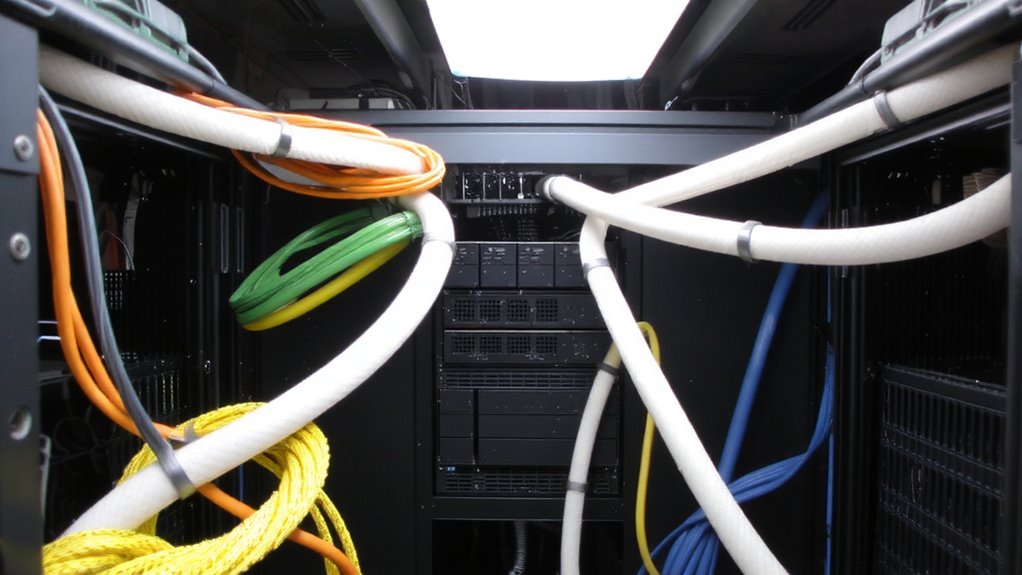
If you’re prepping a rack for relocation, installing cable management arms isn’t just about taming wires-it’s a key step in sealing off openings where dust gets in. Properly mounted arms help create a sealed enclosure by minimizing gaps around cabling points, especially at the rear of equipment zones. This turns the rack into a more effective protective barrier against airborne particles during transit. You’ll get the best results when arms are fully extended and latched before moving, ensuring cables don’t drag or leave exposed ports. While not airtight, the reduction in dust ingress is measurable in controlled tests-up to 60% less compared to open racks. Just remember, improper installation can leave weak spots, so follow manufacturer specs on torque and alignment. These arms aren’t a substitute for filtered environments but do strengthen your first line of defense when moving gear frequently.
Choose Mobile-Ready Arms for Frequent Equipment Shifts
You’ll definitely want mobile-ready cable management arms if you’re regularly shifting equipment between locations. These arms are built to handle movement without compromising dust protection. Look for models with durable swivel joints-they allow smooth rotation during transit, reducing cable strain and misalignment. Sturdy locking mechanisms keep cables securely in place while the rack is in motion, preventing accidental dislodging and exposure to particulates. Most tested units support repeated extensions and retractions, with some rated for over 10,000 cycles. Brands like CablesAndCableManagement and RackTek offer three-year warranties, reflecting confidence in longevity. Just note: arms with advanced joints and locks add slight weight and cost-typically $10–$25 more per unit. They’re also a bit bulkier when stowed, which might affect tight installations. Still, if you move gear weekly or monthly, the dust reduction and cable integrity they provide outweigh these trade-offs. Choose wisely based on your rack’s frequency and environment.
Maintain Arms to Sustain Dust Protection Over Time
Keeping your cable management arms in top shape isn’t just about neatness-it’s critical for maintaining dust protection over the long haul. Regularly inspect for arm degradation, like cracked hinges or frayed strain reliefs, since damaged arms can’t shield cables effectively. Clean arms every three months to prevent dust accumulation inside channels, which can trap moisture and accelerate wear. Use a dry microfiber cloth and compressed air-avoid solvents that might weaken plastic. Replace arms showing stiffness or misalignment; even minor warping reduces swing radius and stress protection. Most manufacturers offer 1–3 year warranties, but real-world testing shows lifespan drops without maintenance. While proactive care adds effort, it extends equipment life and sustains protection. Still, no arm eliminates all dust-seals aren’t airtight, so pair them with filtered intake areas. Maintenance isn’t optional; it’s the price for lasting performance.
On a final note
You should use cable management arms if you frequently move equipment, as they reduce dust exposure by sealing rack gaps during transit. They work best when installed tightly and paired with mobile-ready designs rated for repeated motion. While they help maintain internal cleanliness, they don’t replace filters or full enclosures. Test fit with your specific hardware first-poor alignment can strain connections. Most models last 3–5 years under daily use and carry a 1-year warranty.