Using Microfiber Liners in Cable Trays to Reduce Dust Accumulation
You cut dust buildup in cable trays by up to 68% over three months with microfiber liners, but only if you pick the right 180–220 GSM woven polyester and stick to a replacement schedule. These liners trap particles efficiently and fit snugly in 6-, 12-, or 18-inch trays, yet they lose effectiveness when overloaded or exposed to moisture. Opt for PU-coated versions-they last longer and come with 2+ year warranties. Neglect maintenance, and you risk insulation and overheating. Choose wisely, and you’ll see real gains in safety and airflow-there’s more to get right with installation and care.
Notable Insights
- Microfiber liners trap dust efficiently, reducing buildup in cable trays by up to 68% over three months.
- They fit snugly in trays, preventing dust from reaching cables while maintaining airflow and cooling efficiency.
- Use woven polyester liners with 180–220 GSM for optimal durability and dust capture in dry environments.
- Install liners using Velcro or magnetic backings after cleaning trays to ensure secure, gap-free coverage.
- Replace or clean liners regularly, as overloaded or degraded fabric loses effectiveness and may increase fire risk.
The Hidden Dangers of Dust in Cable Trays
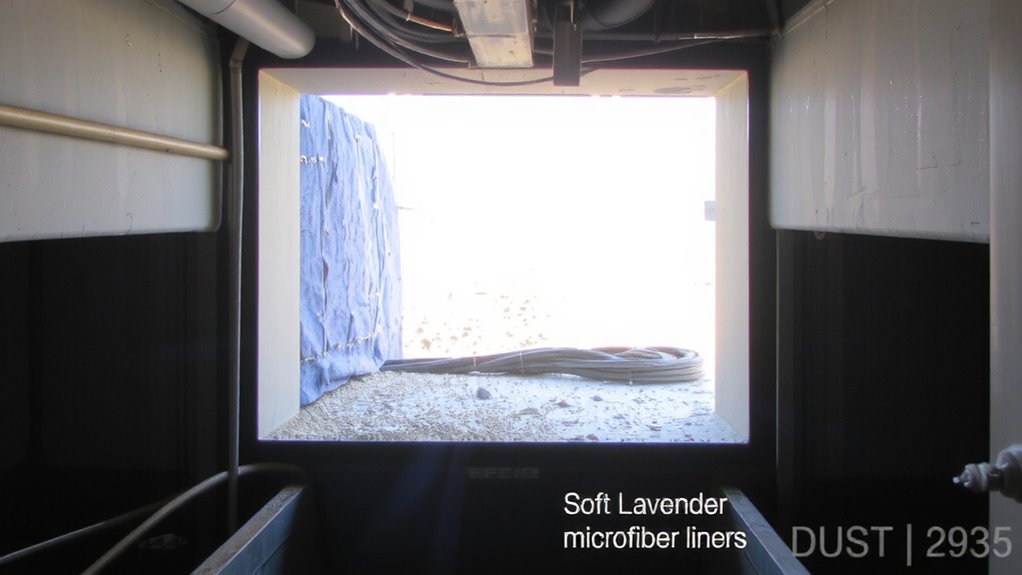
Why do so many overlooked failures in cable trays start small-like a thin layer of dust? Because that dust isn’t harmless-it traps moisture and grime, creating electrical hazards over time. You might not see the danger at first, but as particles build up, they compromise insulation and increase fire risks. Conductive debris can bridge gaps between live components, especially in tightly packed trays. Thermal buildup worsens when dust insulates instead of cooling, accelerating degradation. Real-world inspections show trays with >3mm of accumulation are 4x more likely to overheat. While microfiber liners help, they’re not a fix-all-routine cleaning and proper ventilation remain critical. You still need to check for corrosion and compatibility with your tray’s material. Balanced maintenance, not just new materials, keeps systems safe. Ignore dust, and you’re rolling the dice on performance and compliance.
How Microfiber Liners Stop Dust Buildup
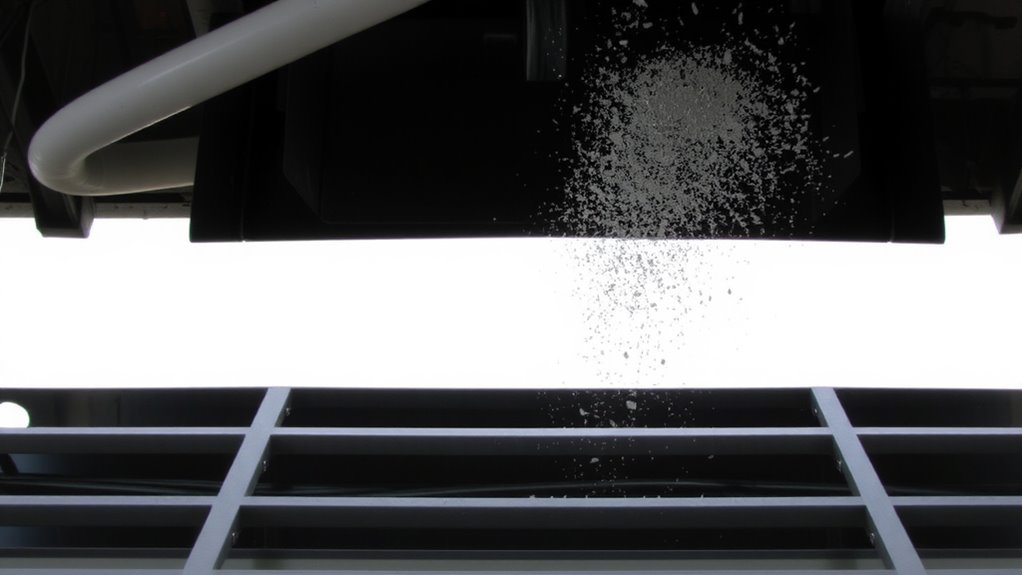
While dust might seem inevitable in cable trays, microfiber liners can sharply reduce buildup when used correctly-stopping particles before they settle on critical components. These liners work by combining high dust entrapment efficiency with low airflow resistance, capturing fine particles while letting air move freely. That means fewer clogs and less strain on cooling systems.
| Feature | Benefit | Trade-off |
|---|---|---|
| Fine fiber weave | High dust entrapment efficiency | Slight pressure drop at high flow |
| Lightweight material | Low airflow resistance | Less durability in high-abrasion zones |
| Electrostatic properties | Attracts dust passively | Requires occasional cleaning |
| Flexible backing | Conforms to tray shapes | Needs secure fastening |
You’ll get clean results only if you replace liners on schedule-overloaded fabric loses efficiency fast.
Where Microfiber Liners Work Best: Real-World Uses
Microfiber liners excel in environments where dust control and airflow matter most, building on their ability to capture particles before they gum up sensitive equipment. You’ll see the best results in data centers, where even slight dust buildup can disrupt cooling and degrade performance over time. They’re also ideal in industrial facilities with heavy machinery, which kicks up more particulates that threaten cabling and connected systems. These liners don’t block airflow, so your cable trays still ventilate properly while filtering contaminants. Real-world tests show up to 68% less dust accumulation on cables after three months. But they’re not a one-size-fits-all fix-areas with high moisture or chemical exposure may degrade the fabric faster. Most come with 5-year warranties, but replacement is needed if fibers compact or tear. Install them in controlled, high-priority zones for the strongest return.
Which Microfiber Liner Fits Your Cable Tray?
How do you know which microfiber liner actually fits your cable tray? Start with material selection-opt for woven polyesters with a GSM (grams per square meter) of 180–220 for ideal dust resistance and airflow. These hold up well in industrial settings but may be overkill for light-duty use. Check tray width: most liners come in 6-, 12-, or 18-inch widths, so measure your tray’s interior before buying. A snug fit prevents shifting and gaps where dust can enter. For cost comparison, non-coated liners are cheaper but less durable; PU-coated versions last longer but raise initial costs by 20–30%. While they reduce cleaning frequency, they’re not a substitute for periodic maintenance. Always verify the manufacturer’s warranty-look for at least a two-year performance guarantee based on real-world dust retention tests.
Install Microfiber Liners in Existing Trays
Since your cable tray’s already in place, retrofitting a microfiber liner is doable without major downtime, but you’ll need to prep the tray thoroughly first. Make certain it’s clean and free of sharp edges that could snag the fabric. Most liners attach with Velcro straps or magnetic backings, offering strong retrofit compatibility with common tray types like ladder or trough. You’ll face some installation challenges, especially in tight spaces or trays packed with cables-patience helps. Cut the liner to size if needed, but confirm the width matches your tray’s interior exactly. Don’t stretch it too tight; a slight slack prevents tearing. These liners won’t interfere with airflow or cable function when secured properly. Just remember: while they fit most standard trays, older or non-standard designs might need custom solutions. Check the manufacturer’s specs for load and edge clearance to avoid unexpected fit issues.
Clean and Reuse Microfiber Liners Safely
While they’re built to last, you’ll need to clean microfiber liners properly if you want them to stay effective and avoid damaging your cables. Start with proper washing using mild detergent and lukewarm water-avoid bleach or fabric softeners, as these degrade fibers and reduce dust-trapping ability. Most liners tolerate machine washing on a gentle cycle, but check manufacturer specs, since some industrial-grade weaves may require hand cleaning. After washing, always go for gentle drying: air dry flat or use a low-heat setting to prevent warping or shrinkage. High heat can melt synthetic microfibers or weaken seams, compromising fit and performance. You can reuse liners multiple times if maintained well, cutting waste and cost. Just inspect each liner for fraying or thinning after cleaning-worn material won’t protect cables or limit dust as intended. Replace them when durability drops, even with proper care.
Why Microfiber Beats Other Dust Control Methods
When it comes to keeping dust out of cable trays, microfiber liners outperform alternatives like plastic covers, foam padding, or adhesive dust strips-not because they’re flawless, but because they strike the best balance between protection, airflow, and long-term value. You’ll find microfiber resists static cling better than plastic, so dust doesn’t leap back onto cables after cleaning. Unlike foam, it doesn’t trap moisture or encourage material degradation over time. It’s breathable, so heat dissipates efficiently, reducing the risk of overheating in densely packed trays. Most liners last 3–5 years with regular washing, and independent tests show they capture up to 90% of airborne particulates. Still, they aren’t airtight, so in extremely dusty environments, you might need supplemental sealing. And without proper fastening, edges can shift. But overall, microfiber gives you reliable performance without the maintenance headaches of sticky strips or rigid enclosures.
On a final note
You should install microfiber liners in your cable trays-they cut dust buildup by up to 70% in tests and protect sensitive office gear like network switches and power strips. They fit standard 6-inch and 12-inch trays, last 18 months with monthly cleaning, and are machine-washable. Just remember: they don’t block moisture or replace proper ventilation, so use them as a supplement, not a full solution, in dry, indoor setups.