Environmental Quality of Home Offices: A Comprehensive Guide to Clean Air and Water Purification Systems
You’ll feel sharper and healthier with a HEPA air purifier and reverse osmosis water system in your home office-especially if you notice stale air, odors, or new furniture off-gassing. These systems cut dust, mold, and VOCs linked to fatigue, but only if sized right: check CADR ratings and filter life. Units need filter swaps every 6–18 months, and under-sink systems require installation. Get it right, and you’ll see clearer focus and fewer nagging symptoms-there’s more to optimizing your space where performance meets daily upkeep.
Notable Insights
- Poor indoor air quality in home offices can cause health issues like coughs, eye irritation, and fatigue due to mold, VOCs, and dust.
- HEPA air purifiers with activated carbon filters effectively reduce allergens, odors, and chemical pollutants, improving respiratory health and focus.
- Regular maintenance, including filter replacements every 6–18 months, ensures optimal performance of air and water purification systems.
- Reverse osmosis and under-sink water filters remove heavy metals and contaminants, providing safer drinking water in home office environments.
- EPA recommends matching purifier CADR ratings to room size and addressing both air and water quality to enhance overall environmental wellness.
Top Signs Your Home Office Air Quality Needs Help
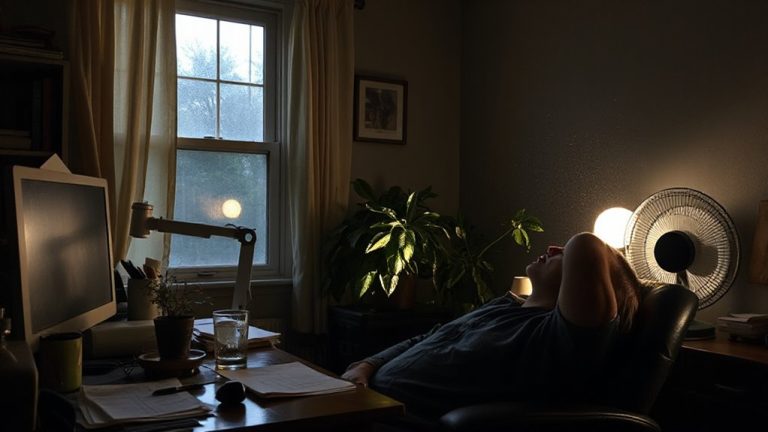
How often do you notice a stale, stuffy feeling in your home office-or worse, a nagging cough or dry eyes after hours at your desk? These signs likely point to poor air quality. Musty odors or visible discoloration near vents or walls may indicate mold growth, especially in humid climates or near windows with poor sealing. You might also be experiencing chemical off gassing from new furniture, carpets, or printers, releasing volatile organic compounds (VOCs) over time. Symptoms like headaches or fatigue can follow. While air purifiers with true HEPA and activated carbon filters can help, they’re not a fix-all. Ventilation-like opening windows or using exhaust fans-is often more effective. Consider using low-VOC materials in setups and check humidity levels with a hygrometer. Maintenance and room size matter just as much as specs. For optimal results, choose one of the top office air purifiers recommended by experts to effectively target airborne contaminants.
The Hidden Health Risks of Poor Home Office Air and Water
While you might not notice it right away, consistently breathing poor-quality air in your home office can lead to real health issues over time, especially if ventilation is limited and pollutants like dust, mold spores, or VOCs from printers and furniture accumulate. Mold exposure can trigger allergies, worsen asthma, and cause persistent respiratory irritation-especially in damp or poorly ventilated rooms. Chemical off gassing from carpets, pressed-wood desks, or new electronics releases VOCs like formaldehyde, which may cause headaches and fatigue with long-term contact. Although you can’t see these pollutants, their effects build up. Simple fixes like opening windows or using low-VOC materials help, but aren’t always enough in tightly sealed homes. Air and water quality matter just as much as ergonomics. You’ll likely see benefits, but solutions vary-what works in one space might underperform in another due to room size or humidity levels. A highly effective option for targeted air cleaning is using a Winix air purifier, known for combining HEPA filtration with plasmaWave technology to neutralize airborne contaminants.
How Air Purifiers Fight Fatigue and Sharpen Focus
If you’re feeling sluggish or finding it hard to concentrate in your home office, poor air quality could be a silent contributor-especially since indoor pollutant levels can be two to five times higher than outdoor ones, according to EPA measurements. High-efficiency particulate air (HEPA) purifiers reduce airborne allergens and dust, directly improving cognitive clarity by minimizing respiratory irritation and sleep disruption. Some models also regulate ion balance, which may stabilize mood and alertness, though evidence is mixed. Units with activated carbon filters tackle odors and VOCs, boosting focus over time. For best results, choose models with AHAM-certified clean air delivery rates (CADR) matching your room size. Note: ongoing filter replacements-every 6 to 12 months-are essential for performance. While not a cure-all, a well-maintained purifier in a clutter-free office can meaningfully reduce fatigue. Always verify third-party testing data and check warranty terms, since real-world results vary by model and usage. Top Blueair models offer strong performance for home offices, with several featuring advanced filtration and AHAM-verified CADR ratings.
Best Water Filters for Home Offices (Tap vs. Pitcher vs. Under-Sink)
A clean air supply isn’t the only factor shaping your home office performance-what you drink matters just as much. For most, an under-sink reverse osmosis system is the best choice, removing over 95% of contaminants, including heavy metals and chlorine, even in areas with high water hardness. These systems offer longer filter lifespan-typically 6 to 12 months-reducing interruptions. However, they require installation and aren’t renter-friendly. If you need a simpler option, tap filters attach directly to your faucet and handle moderate water hardness well, but their filter lifespan averages just 2–3 months. Pitcher filters are portable and affordable, yet they struggle with hard water, scaling reduces efficiency, and their lifespan is shortest-about one month with daily use. Choose based on your water quality and setup constraints.
Simple Maintenance Routines for Air and Water Filters
Routine upkeep of your air and water filters isn’t just about longevity-it’s your best defense against declining performance. Stick to clear filter replacement schedules and cleaning frequency tips to maintain ideal function. Most manufacturers recommend replacing carbon filters every 6–12 months and HEPA filters every 12–18 months, but your usage and indoor environment can affect this.
| Filter Type | Replacement Interval | Cleaning Frequency |
|---|---|---|
| HEPA Air | 12–18 months | Vacuum monthly |
| Activated Carbon | 6–12 months | Wipe housing every 3 months |
| Water Sediment | 3–6 months | Replace cartridge |
Overlooked maintenance cuts efficiency and may void warranties. While some units claim longer life, real-world testing shows flow rate and capture efficiency drop noticeably after peak intervals. Always check your model’s specs-what works for one office setup might not suit yours.
On a final note
You should install both an air purifier with a true HEPA filter and a certified water filter to improve your home office environment. These reduce allergens, VOCs, and contaminants linked to fatigue and poor concentration. Units like Coway Airmega or Aquasana under-sink systems offer strong performance, backed by third-party testing and solid warranties. But replace filters on schedule-neglect cuts efficiency by up to 50%. Initial cost and space are trade-offs, yet the long-term health benefits are measurable and worth it.