The Ultimate Guide to Setting Boundaries in Your Remote Workspace
You *can* maintain control in your remote workspace by setting fixed hours and treating them like meetings-use calendar blocks and timers to stay consistent. Share your availability with your team and respect theirs to build trust. Create a dedicated space with an ergonomic chair and noise control, even if it’s just a corner. Start and end your day with simple rituals, like reviewing tasks or closing tabs. Turn off notifications and use tools like Focus To-Do or Freedom for deep work, but remember-no tool replaces routine. The real difference starts when you put these steps into practice.
Notable Insights
- Set fixed daily work hours and treat them as non-negotiable to protect focus and well-being.
- Communicate your availability clearly using shared calendars and set expectations for response times.
- Designate a dedicated workspace with physical and visual separation from personal areas.
- Start and end your day with consistent rituals to mark the transition in and out of work mode.
- Block distractions by silencing notifications and using focus tools during scheduled deep work sessions.
Set Clear Remote Work Hours
While it might feel natural to stay logged in when working from home, setting clear remote work hours helps protect your focus and mental well-being. You’ll build better work life balance by defining when you start and stop tasks each day. Time blocking makes this easier-schedule focused work, breaks, and personal time like appointments or exercise with equal priority. Treat these blocks as non-negotiable, just like in-person meetings. Without this structure, work can bleed into evenings, raising stress and hurting long-term productivity. Yes, flexibility is a perk of remote work, but unchecked access to your time often leads to burnout. Use calendar apps or simple timers to reinforce boundaries. A physical cue, like closing your laptop or covering your workspace, signals the shift from work to personal mode. It’s not about working less-it’s about working with purpose and protecting your energy. Results improve when focus has limits.
Communicate Boundaries With Your Team
How do you make sure your work hours actually stick? You communicate them clearly to your team. Without team alignment, even the best schedule can fall apart. Let your colleagues know when you’re available and when you’re offline-use shared calendars or status updates. Be specific about response times so no one expects instant replies after hours. Respect others’ boundaries too by honoring meeting etiquette: start on time, end early if possible, and avoid scheduling outside agreed hours. Clear communication prevents burnout and builds trust. But be flexible-urgent work happens, and rigid boundaries can sometimes hinder collaboration. The key is consistency, not perfection. Over time, these practices create a culture where everyone respects limits without sacrificing productivity. It takes effort from all sides, but the payoff-less stress, better focus-is worth it.
Build a Dedicated Workspace That Separates Work From Life
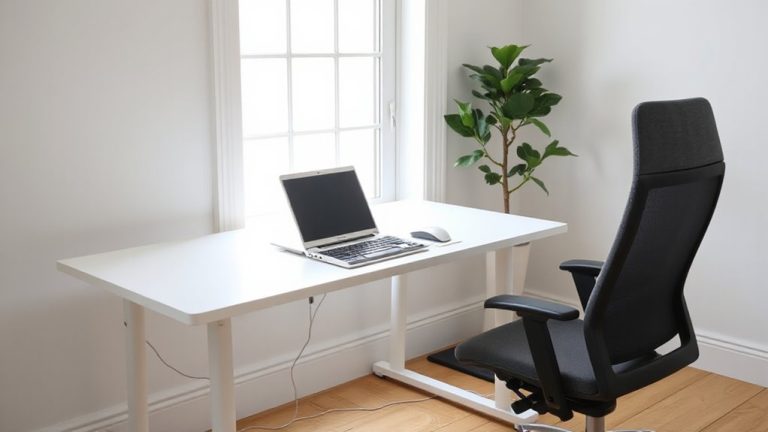
Since your environment shapes your habits, carving out a dedicated workspace isn’t just helpful-it’s essential for maintaining focus and mental separation between work and personal life. Good space design means choosing a spot with natural light and minimal foot traffic, while noise control starts with location and adds tools like a white noise machine or closed-back headphones. Even in small homes, a room divider or bookshelf can create visual separation. Below is a layout example:
| Zone | Purpose | Key Feature |
|---|---|---|
| Desk Area | Focused Work | Ergonomic chair, monitor at eye level |
| Storage | Supplies & Files | Labeled bins, vertical shelves |
| Wind-Down | Shift Space | Plants, noise control via soft materials |
Aim for consistency over luxury. A $30 desk lamp beats a dim corner, but don’t assume gear fixes poor layout. Test placements for glare and reach.
Start and End Your Day With Clear Rituals
When you anchor your workday with consistent start and end rituals, you’re not just managing time-you’re shaping your mental focus and signaling to your brain when to engage and when to let go. A solid morning routine helps you shift smoothly: light a coffee, check your task list, then begin. No need for fancy apps or timed meditations-just 5–10 minutes to settle in. Similarly, an intentional evening unwind-closing tabs, writing tomorrow’s priorities, maybe stretching-tells your body the workday is done. These rituals work best when they’re simple and repeatable, not dependent on mood or gear. They won’t fix a chaotic schedule overnight, and missing one won’t derail you. But practiced daily, they build structure. Skip them too often, and the line between work and rest blurs. Keep them consistent, and you stay in control.
Protect Your Time From Digital Distractions
Ever wonder why it’s so hard to focus, even with a quiet home office and the latest noise-canceling headphones? Digital distractions are the real culprits. You can regain control with time blocking-scheduling fixed chunks of your day for specific tasks. It works, but only if you protect those blocks fiercely. Turn off non-essential notifications and silence Slack during focus sessions. Use a simple timer or app like Focus To-Do to mark start and end times. These sessions shouldn’t exceed 90 minutes; fatigue sets in fast. While tools help, no gadget replaces discipline. Some people swear by website blockers like Freedom or Cold Turkey, but they’re only effective if you commit. Noise-canceling tech reduces auditory clutter, but it won’t stop you from checking Instagram. Real focus comes from routine, not gear.
On a final note
You should set clear boundaries to make remote work sustainable. Define your hours, communicate them, and stick to them. Use a dedicated workspace-even a small desk-to separate work from life. Start and end your day with simple rituals, like a morning walk or shutting down your laptop at 6 p.m. Turn off notifications to reduce digital distractions. But be realistic: perfect focus isn’t daily. Flexibility helps, but consistency builds long-term success.