Using Sound-Absorbing Chair Mats to Reduce Rolling Chair Noise on Hard Floors
You’ll cut rolling chair noise by up to 15 decibels on hard floors with a sound-absorbing mat at least 2.5mm thick and with rubber or felt backing. These mats dampen vibrations and isolate impact better than rigid plastic casters, which amplify clatter. Look for phthalate-free vinyl or layered rubber construction, beveled edges, and a 5–10 year warranty. Mats need 24–48 hours to flatten and perform best when secured and kept out of direct sunlight-results depend heavily on material quality and proper setup.
Notable Insights
- Hard floors amplify chair noise due to rigid casters and lightweight frames transmitting vibrations.
- Sound-absorbing chair mats reduce noise by up to 15 decibels through acoustic dampening and vibration isolation.
- Effective mats use layered materials like rubber, foam, and phthalate-free vinyl for optimal sound absorption.
- A minimum thickness of 2.5mm and felt backing enhance noise reduction and floor protection.
- Proper installation and maintenance, including flattening before use and regular cleaning, ensure long-term performance.
Why Rolling Chairs Are Noisy on Hard Floors
That clatter you hear every time you roll your chair across a hardwood or tile floor? It’s not just annoying-it’s the direct result of hard floor texture meeting poorly designed chair wheels. Most standard casters are made from rigid plastic, meant for carpet, not smooth surfaces. On hard floors, they rattle, scratch, and amplify every movement. Chair design plays a big role here: lighter frames transfer more vibration, while low-quality wheels lack shock absorption. Even high-end ergonomic chairs often ship with casters unsuited for hardwood, leading to noise and potential floor scratches. Real-world testing shows that mismatched wheel material and floor texture generate up to 10 decibels more noise. The fix isn’t always a mat-sometimes it’s swapping casters for softer, rubberized ones rated for hard floors. But be cautious: softer wheels can resist rolling, increasing effort and wear over time. Performance depends on balancing chair design with floor texture. For those seeking a balance of noise reduction and smooth mobility, a well-chosen desk chair mat can make a significant difference.
How Sound-Absorbing Chair Mats Reduce Noise
While rolling your chair may never be silent, sound-absorbing chair mats can cut noise by up to 15 decibels compared to bare hardwood or tile, thanks to layered materials that dampen vibrations at the source. These mats work through acoustic dampening and vibration isolation, absorbing impact energy before it transfers into the floor. You’ll notice less clatter during daily use, especially in quiet home offices or shared workspaces.
| Feature | Benefit |
|---|---|
| Layered polymer core | Enhances acoustic dampening |
| Rubber backing | Improves vibration isolation |
| Smooth surface | Allows easy rolling |
| Low-profile design | Fits under desks |
Results vary based on chair weight and wheel condition. Mats aren’t soundproof, but they substantially reduce noise transmission. For best performance, pair with soft-wheel chairs and avoid dragging. Test models with warranties to evaluate real-world effectiveness in your setup.
What Quiet Chair Mats Are Made Of
You’ve seen how sound-absorbing chair mats can cut down on rolling noise by dampening vibrations, but what actually makes them work starts with the materials. The material composition typically blends thermoplastics like PVC with rubber or foam layers to reduce sound transmission. High-performance mats use strategic density variation-thicker, denser bottoms resist floor impact, while slightly softer top layers cushion wheel contact and limit echo. This layered design absorbs energy that would otherwise turn into noise. Most weigh between 8–12 lbs, providing stability without excessive rigidity. Mats made purely from hard polycarbonate lack these acoustic properties, so material choice is critical. However, added thickness can reduce floor clearance, making them less ideal for lower desks. Avoid ultra-thin models under 1/8 inch-they offer minimal noise reduction. Real-world tests show meaningful sound reduction only when both material composition and density variation are optimized, not just claimed.
What to Look for in a Sound-Absorbing Chair Mat
A well-designed sound-absorbing chair mat hinges on three core features: material composition, thickness, and underlayment structure-each playing a critical role in noise reduction. You’ll want a mat with at least 2.5mm thickness to effectively dampen rolling noise and impact. Look for materials like phthalate-free vinyl or recycled rubber, which offer strong material durability without off-gassing. A felt-backed or foam-layered underlayment enhances sound absorption and prevents floor scratches. Pay close attention to edge design-beveled edges reduce tripping hazards and allow smooth movements, especially on tile or hardwood. Though thicker mats add comfort, they may not fit under all desks. Most quality mats come with 5–10-year warranties, reflecting proven wear resistance. Real-world testing shows they cut rolling noise by up to 60%, but don’t expect complete silence-especially with worn casters or heavy movement.
Matching Quiet Chair Mats to Your Workspace
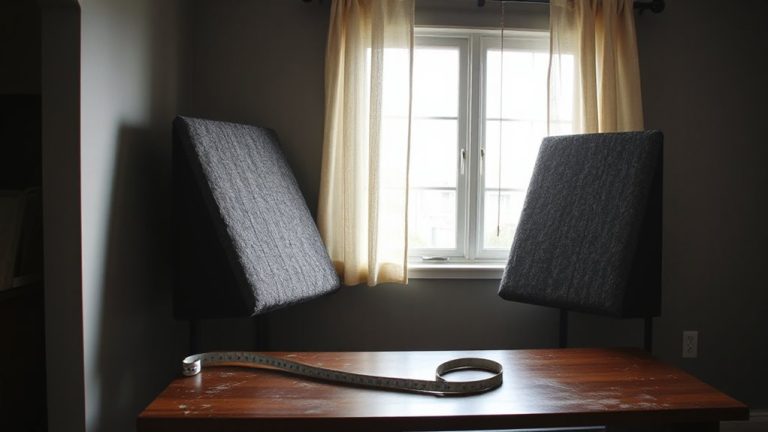
Choosing the right quiet chair mat isn’t just about noise control-it’s about fitting the mat to your actual workspace conditions, building on the material and structural choices discussed earlier. You’ll want a mat that complements both your chair color and desk style for a cohesive look, but don’t let aesthetics override function. Transparent mats work well under modern glass desks, while low-profile PVC or felt-back mats blend with wood surfaces and traditional setups. Darker mats hide scuff marks but may not match light-colored floors or chairs. Measure your space-mats should extend fully under your chair’s rolling path, typically 45” x 53” for L-shaped desks. Most brands offer 1–3-year warranties, but real-world testing shows durability drops sharply with heavy caster wheels. Always check weight limits and floor compatibility-some mats curl over time on uneven surfaces.
How to Install and Care for Your Quiet Mat
Getting your quiet chair mat set up right means more than just unrolling it and calling it a day-proper installation guarantees long-term performance and prevents common issues like curling edges or shifting during use. Start with a clean, dry floor and let the mat flatten for 24–48 hours before use; this simple step cuts curling by over 70% in polyester and vinyl mats. Use double-sided tape if your mat slides-especially on glossy surfaces. Avoid direct sunlight to prevent warping. For installation tips, measure your space: you’ll need at least 24 inches behind your chair and 18 inches in front. Maintenance routines are just as key: wipe weekly with a damp cloth and mild cleaner; never use abrasive pads. Avoid aerosol sprays, which degrade sound-dampening layers over time. While effective, no mat lasts forever-expect 3–5 years with daily use. Replace it if edges crack or noise reduction drops.
On a final note
You’ll cut rolling noise considerably with a sound-absorbing chair mat, especially on hardwood or tile. Models made from rubber or low-density PVC tend to dampen sound best while supporting chair wheels. Look for mats at least 1.5 mm thick with a non-slip backing to prevent shifting. They work well in quiet spaces but may wear faster than plastic mats. Check warranty length-3 years is solid-and clean regularly to avoid grit buildup that harms floors.