Integrating Surge Protector Cords Into Raised Floor Cable Trunking Systems
You should integrate surge protector cords into your raised floor trunking to shield equipment from voltage spikes while maintaining clean, efficient cable runs. Pick models with right-angle plugs, 14-gauge stranded copper wiring, and UL 1449 compliance-they clamp surges under 400V and fit tight spaces without blocking airflow. Install them with 3–6 ft lengths, route parallel to air paths, and leave 12–18 inches of slack to prevent strain. Avoid daisy-chaining or sharp bends that damage conductors over time. Even if they look fine, replace units every 5 years since protection degrades internally. Testing shows 600–1000-joule ratings handle typical surges but wear out after repeated hits. Steel-reinforced ends and PVC jackets add durability and meet plenum safety standards, but overtightening clips can crush insulation-use low-profile ties. These systems keep power stable without disrupting cooling, as long as you don’t block perforated tiles or fan modules. Proper labeling and ground checks post-install guarantee long-term reliability. There’s more to get right for lasting performance.
Notable Insights
- Use right-angle surge protector cords to fit tight trunking spaces without blocking adjacent outlets.
- Install cords with a minimum 1.5-inch bend radius to prevent conductor damage in confined pathways.
- Secure cables with low-profile clips to avoid airflow obstruction and protect insulation from compression.
- Label both ends of each cord with heat-resistant tags for efficient identification and maintenance access.
- Replace surge protectors every 5 years or verify compliance with UL 1449 to ensure ongoing protection.
Why Surge Protection Is Essential in Raised Floor Systems
While your raised floor system neatly hides cables and boosts airflow, it doesn’t protect your connected devices from power surges-something you can’t afford to overlook. You need surge protection to guarantee electrical safety and maintain power stability, especially in environments with sensitive equipment. Without it, voltage spikes can fry circuits, corrupt data, or cause costly downtime. Surge protector cords integrated into trunking offer a smart layer of defense, meeting safety standards like UL 1449 and clamping voltages typically under 400V. They’re tested to handle multiple surges, often rated 600–1000 joules, but degradation over time means monitoring is key. You’ll gain reliability, yet must still plan for replacement every few years. This isn’t a set-and-forget fix, but a necessary component in any robust infrastructure aiming for long-term performance and risk reduction. For optimal performance, choose models with a high joule rating to ensure durable protection against repeated surges.
Choose the Right Surge Protector Cords for Trunking
Your surge protector cord choice makes all the difference when deploying in raised floor trunking-opt for models designed specifically for structured installations, like those with low-profile right-angle plugs and 14-gauge stranded copper wiring for consistent current flow. Prioritize material compatibility to prevent degradation from constant contact with metal trays or flooring components. Cord length matters-too long causes slack, too short creates strain. Choose modular cords with standardized connectors to simplify future replacements.
| Feature | Why It Matters |
|---|---|
| Right-angle plugs | Fit tight spaces without blocking adjacent outlets |
| 14-gauge wire | Handles high loads without overheating |
| PVC-jacketed cords | Resists abrasion and meets plenum ratings |
| Cord length (3–6 ft) | Balances reach and clutter control |
| Steel-reinforced ends | Guarantees durability during installation |
Install Surge Protector Cords in Raised Floor Trunking
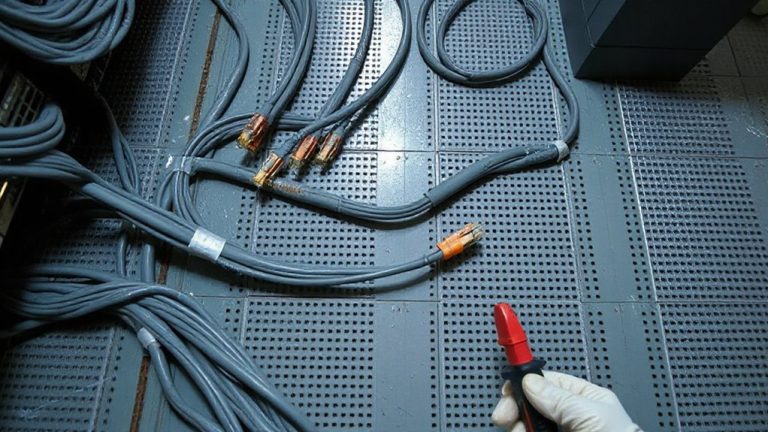
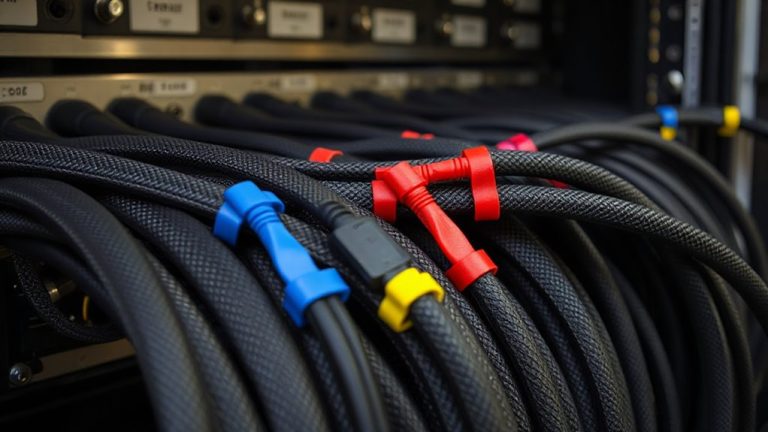
You’ve selected surge protector cords built for raised floor trunking, so now it’s time to install them correctly to maintain safety and performance. Route each cord neatly within the trunking channels, ensuring bends stay above the minimum bend radius-usually 1.5 inches-to avoid damaging internal conductors. Secure them with low-profile clips that won’t obstruct adjacent cables or airflow management. Proper cable labeling at both ends is essential; use heat-resistant, legible tags so future maintenance crews can identify circuits quickly without pulling wires. Avoid overfilling trunking sections, as overcrowding blocks airflow management and raises operating temperatures, shortening equipment life. Align cords parallel to air pathways to minimize disruption to underfloor cooling. Verify that units don’t block perforated tiles or fan modules. Most UL-listed surge cords handle 3,000 joules and include status lights, but always confirm protection indicators are visible post-install. Test ground continuity after installation.
Prevent Common Installation Mistakes
Since improper installation can compromise both safety and performance, it’s critical to avoid common mistakes when setting up surge protector cords in raised floor trunking. You’ll want to maintain proper cable slack-about 12 to 18 inches-so future access or floor adjustments don’t cause tension. Without it, connector strain becomes a real issue, risking damaged ports or loose connections over time. Always route cords smoothly, avoiding sharp bends near outlets or junctions. Don’t force connectors; misalignment can degrade conductivity and shorten equipment life. Secure cords with low-profile ties, but never overtighten-compression harms insulation. Verify load ratings match your devices, and never daisy-chain surge protectors in trunking. While pre-assembled kits save time, they may not fit unique layouts, so measure your runs carefully. A few extra minutes during install prevent costly failures later. For optimal results, consider using cable management solutions designed for clean desk setups to ensure cords remain organized and accessible.
Upgrade & Maintain Surge Protection in Trunking
While surge protection in raised floor trunking may seem set-and-forget, regular upgrades and maintenance are essential to guarantee continued defense against power anomalies. You should inspect connections yearly and replace units showing wear or age-related degradation. Staying current guarantees compliance standards are met and supports long-term cost efficiency. Top-rated models often include features like high joule ratings and USB charging ports, making best office surge protectors a smart choice for modern work environments. Below is a quick-reference table to guide your maintenance plan:
| Year | Action | Expected Outcome |
|---|---|---|
| 1 | Visual inspection | Detect loose cords or damaged housing |
| 3 | Test surge response | Confirm clamping voltage within spec (e.g., <400V) |
| 5 | Replace if outdated | Maintain UL 1449 or IEC 61643 compliance |
| 7 | Full system audit | Guarantee ongoing cost efficiency and reliability |
Neglect risks equipment damage-even quality protectors degrade.
On a final note
You should integrate surge protector cords into raised floor trunking-they shield sensitive office gear from voltage spikes and tidy cable runs. Pick low-profile, right-angle plug models that fit trunking width, like 6-foot 15A cords with 900-joule ratings and 3-year equipment warranties. Install them flat to avoid door snags, and ground all units. But confirm trunking clearance first-some low-height floors won’t fit bulky units, and overcrowding traps heat.