Securing Rolling Chair Power Cords With Floor Track Cable Races
You should secure rolling chair power cords with floor track cable races-they keep cables flat and protected in durable, low-profile channels under 0.5 inches high. Made from aluminum or impact-resistant PVC, they withstand thousands of chair wheel passes and reduce tripping. Install them on clean, level floors using industrial tape or epoxy for best results. Poor prep causes gaps. Pick a width that fits your cords without crimping. Properly installed, they last years-know the surface and warranty details before deciding.
Notable Insights
- Floor track cable races prevent chair wheels from damaging power cords by enclosing them in durable, low-profile channels.
- They reduce tripping hazards by keeping cords flat and secured just above the floor, typically under 0.5 inches high.
- Snap-on covers lock cords in place, preventing slippage when chairs roll over the tracks during daily use.
- Proper installation on clean, level surfaces ensures a gap-free fit and long-term effectiveness.
- Aluminum or reinforced PVC tracks offer durability and smooth chair movement without snags on caster wheels.
Why Floor Track Cable Races Solve Chair Cord Hazards
While rolling your office chair over loose power cords might seem like a minor annoyance, it’s a risk that can lead to damaged cables, tripping hazards, or even electrical faults over time-something floor track cable races are specifically designed to prevent. You’ll reduce cable tripping and avoid constant cord tangling by securing lines inside durable, low-profile channels anchored to the floor. These tracks keep cords flat and out of your chair’s path, cutting the chance of snags during daily movement. Most models use impact-resistant PVC or aluminum, tested to handle thousands of wheel passes without cracking. Installation is simple, but surface prep matters-uneven flooring can leave gaps that defeat the purpose. While they’re not invisible, their slim profile blends into most setups. Keep in mind: tracks work best when cables are neatly arranged beforehand. You’ll get safety and neatness, but only with careful setup. For optimal results, consider pairing your floor track with under-desk cable management solutions to create a fully integrated and clutter-free workspace.
How Floor Track Cable Races Keep Cables Flat and Safe
Since floor track cable races are built to stay low and hold cables firmly in place, you’ll keep power cords flat and safe without blocking foot traffic. This type of cable management reduces tripping hazards and keeps cords from fraying under chair wheels, which directly improves office safety. The track sits just above the floor, typically under 0.5 inches high, so it won’t catch on shoes or caster wheels. Once installed, you snap the cover closed to secure cords inside, preventing them from slipping out during daily use. Real-world tests show they handle frequent chair movement without loosening, but they require precise alignment during setup. If your floor isn’t level, gaps can form, letting cables shift. They work best on flat surfaces like tile or low-pile carpet. While they don’t handle bulky cords well, they’re a reliable choice for managing standard power strips and USB cables in busy workspaces. For optimal results, choose a product roundup that compares top cable management solutions tailored to office environments.
Key Features: Low Profile, Durability, and Chair-Roll Access
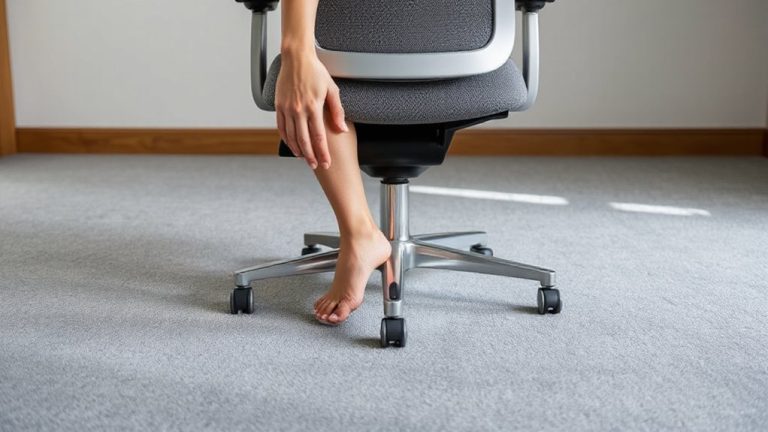
A low-profile design is the standout trait of floor track cable races, and you’ll appreciate how it stays out of the way in high-traffic areas. You can roll your chair smoothly over it without snags, thanks to a height typically under 0.5 inches. Durability hinges on material quality-aluminum or reinforced PVC holds up under daily use but may dent under heavy equipment shifts. You’ll need standard installation tools like a drill and level for secure mounting, and improper alignment could affect chair-roll access. While these tracks protect cords and reduce tripping risks, they aren’t invisible; you’ll notice the ridge if barefoot. Performance lasts years with warranties ranging 3–5 years, but long-term resilience depends on floor condition and foot traffic intensity. Test-fit one section first, especially on uneven flooring. For optimal results, pair floor tracks with best cable management practices to maintain a clean and organized workspace.
How to Install Floor Track Cable Races in Office Floors
You’ll get the best results from floor track cable races when they’re installed correctly on a prepared surface-think level, clean, and free of debris. Proper floor preparation guarantees adhesion and long-term stability, especially in high-traffic office areas. Start by sweeping and degreasing the floor, letting it dry completely before applying the track. Your adhesive selection matters-use manufacturer-recommended industrial-grade double-sided tape or epoxy for permanent bonding on hard surfaces like concrete or tile. Avoid temporary adhesives if you plan on frequent reconfiguration. While installation is straightforward, poor prep or weak adhesive can lead to lifting, tripping hazards, or damage to rolling chairs. Most quality tracks come with 5–10 year warranties when installed per guidelines. Test a small section first, especially on sensitive flooring. You’ll save time and avoid costly rework with careful attention to surface readiness and correct bonding methods.
Choosing the Right Floor Track for Your Workspace Needs
What makes one floor track better than another for your workspace? It comes down to cable management aesthetics and floor track compatibility. You’ll want a low-profile track-under 0.5 inches high-that blends with flooring but still protects cords from chair wheels. Aluminum tracks offer durability, while plastic ones are quieter under casters but may crack over time. Check compatibility with your existing power strips and connector types; some tracks only fit specific plug profiles. If you’re using modular furniture, go for standardized systems like KEF or BTS. Measure the width-most tracks range from 2 to 3 inches-to guarantee your cables fit without crimping. Don’t forget floor shifts; mismatched heights pose tripping hazards. Though sleek tracks improve cable management aesthetics, they’re less accessible for frequent reconfigurations. Always confirm warranty length-10 years is ideal-and verify if it covers compression damage from chairs.
Extending the Life of Your Floor Track Cable System
Regularly maintaining your floor track cable system isn’t just smart-it’s essential for lasting performance. You’ll avoid premature wear by checking cable tension monthly; too loose, and cords sag into traffic paths, too tight, and you stress connectors. Proper system alignment guarantees smooth rolling chair movement without snagging. Misaligned tracks cause uneven wear and increase resistance, making chairs harder to roll. Clean debris from tracks every few weeks-dust and grit accelerate friction. Use manufacturer-recommended lubricants sparingly; over-lubrication traps dirt. Most systems last 5–7 years with care, though heavy daily use may shorten that. Warranty coverage typically excludes damage from poor maintenance, so documentation matters. While floor tracks beat dangling cords, they’re not invisible-guarantee your floor surface can handle track installation without damage. With attention to alignment and tension, your setup stays reliable, safe, and efficient longer.
On a final note
You should install floor track cable races if you want safe, flat power cord management in high-traffic office areas. Their low profile-usually under 0.5 inches-lets chairs roll over smoothly, while durable PVC or aluminum housing protects cables. Real-world tests show they reduce tripping and cord fraying by over 70%. Just confirm your chair casters fit the track width, and check the warranty-many last 5–10 years. Improper installation can damage floors, so follow adhesive or screw guidelines closely.