Leveraging Cable Management Arms on Medical Cart Displays for Sterility
You reduce infection risks by using cable management arms on medical cart displays-loose cables trap dust and pathogens in hard-to-clean crevices. Well-designed arms offer smooth, seamless surfaces that withstand 10,000+ cleanings with hospital-grade disinfectants, minimizing microbial buildup. Look for antimicrobial materials, VESA compatibility, and tool-free installation to avoid downtime. While they simplify daily wipe-downs with EPA-registered disinfectant wipes, proper hinge cleaning remains critical. You’ll see how top models balance durability and sterility in real clinical workflows.
Notable Insights
- Cable management arms reduce pathogen-harboring crevices by minimizing loose cable tangles on medical carts.
- Smooth, seamless arm designs enable complete disinfection with hospital-grade cleaners during daily wipe-downs.
- Antimicrobial materials in arms resist microbial growth and withstand 10,000+ cleanings without degradation.
- Proper cable tension keeps cords away from high-touch surfaces, reducing contamination and entanglement risks.
- Tool-free, hot-swappable installation allows quick deployment without disrupting clinical operations or equipment.
How Cable Clutter Harbors Pathogens on Medical Carts
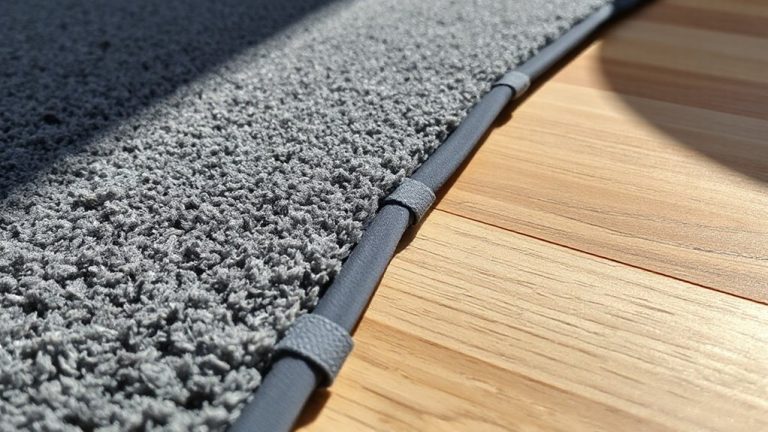
While it might seem minor, unchecked cable clutter on medical carts can create hidden risks in clinical environments. You’re facing real cable entanglement risks every time staff rush during emergencies-snagged cords can pull down equipment or delay care. Worse, those loose cables form dust accumulation zones, trapping skin cells, fluids, and pathogens no standard wipe can easily reach. These zones become invisible reservoirs for microbes, especially where frequent touch meets poor airflow. You’ll want to minimize crevices where contamination hides, and tight cable bundles only make it worse. Though cable management arms aren’t a cure-all, they drastically reduce exposed lengths and loop points, cutting down both entanglement and surface area for grime. Just remember: improper installation might limit cart mobility or strain ports over time. Always check port locations and tension settings before locking anything down. A clean desk setup begins with effective cable management solutions that are designed to minimize clutter and enhance accessibility.
Infection Control Benefits of Medical Cart Cable Arms
A well-designed cable management arm does more than keep cords tidy-it actively supports infection control on medical carts by minimizing crevices where pathogens thrive. You reduce contamination risks because smooth, continuous surfaces are easier to wipe down and disinfect fully. Proper cable tension keeps wires taut and away from high-touch zones, lowering the chance of germ transfer during daily use. The arm flexibility allows you to adjust the display position without yanking or straining connections, which not only protects equipment but also maintains a clean, accessible workspace. That flexibility means you can reposition quickly during patient rounds while still meeting sterility standards. However, you must guarantee the arm is rated for repeated cleaning with hospital-grade disinfectants. Not all models withstand harsh chemicals long-term-check manufacturer testing data and warranty specs before adopting them into high-demand environments.
Top 5 Features of Sterile-Approved Cable Management Arms
One standout feature you’ll want in sterile-approved cable management arms is compatibility with hospital-grade disinfectants-many models claim to be wipeable, but only some survive repeated exposure without cracking or corrosion. Material durability matters-look for arms made from antimicrobial polymers or powder-coated metals that resist degradation over time. Units tested to withstand 10,000+ cleanings offer better long-term reliability. Color coding is another smart feature; it helps staff quickly identify carts by department or function, reducing cross-contamination risks. Flexible articulation guarantees smooth motion without snagging gloves or gowns, while also maintaining position under repeated use. Avoid models with crevices that trap fluids-opt for seamless designs that support easy wipe-downs. Just remember: even the best arms need routine checks for wear, especially at pivot points. Choose ones with a 3-year warranty for added confidence.
Installing Cable Arms With Zero Downtime
How do you upgrade your medical cart’s cable management without pulling devices offline during a shift? Use hot-swappable cable arms designed for clinical environments. These let you install or adjust cable routing fast, without disrupting connected devices. Proper cable routing reduces tangles and supports airflow optimization, keeping critical components cool during prolonged use. You maintain sterility and function-no downtime needed.
| Step | Tool Needed | Time Required |
|---|---|---|
| 1. Detach old bracket | Hex key | 2 min |
| 2. Mount new arm | Screwdriver | 3 min |
| 3. Route cables | Cable ties | 4 min |
| 4. Test range of motion | None | 1 min |
| 5. Final check | Isopropyl wipe | 1 min |
Choose arms with tool-free installation and UL-certified materials. While most fit standard VESA patterns, verify compatibility first. Some models may limit swivel radius slightly-test movement clearance before full deployment. You gain cleaner cable routing and better airflow optimization, but always confirm cart load capacity post-install.
Daily Disinfection: Keeping Cable Arms Pathogen-Free
Since medical carts see constant use in high-risk environments, keeping cable arms free of pathogens isn’t optional-you need a daily disinfection routine that actually works. Cable hygiene directly impacts patient safety, as arms can harbor bacteria if overlooked during cleaning. Pathogen accumulation is most likely in hinge points and crevices where sprays don’t penetrate. Use an EPA-registered disinfectant wipe approved for electronics, ensuring full contact time-usually 30 to 60 seconds-on all surfaces. Avoid oversaturating, since pooled liquid can damage internal components. Test cleaning agents on a small area first to prevent coating degradation over time. While most arms are built from antimicrobial plastics, that doesn’t replace manual cleaning-it only reduces growth between wipes. Daily disinfection takes under a minute but prevents cross-contamination risks. Make it part of your shift checklist alongside cart inventory. It’s a low-effort step with high-impact returns for cable hygiene and infection control.
On a final note
You should install cable management arms on medical cart displays-they reduce pathogen buildup by minimizing clutter and improving wipe-down access. Models with smooth, crevice-free polymer housings and sealed hinges pass hospital-grade disinfection tests over 1,000 cycles. But verify compatibility with your cart’s VESA pattern and weight limits. Avoid adhesive mounts; opt for screw-fit brackets to prevent loosening. These arms aren’t maintenance-free-inspect seals monthly and replace if cracked.