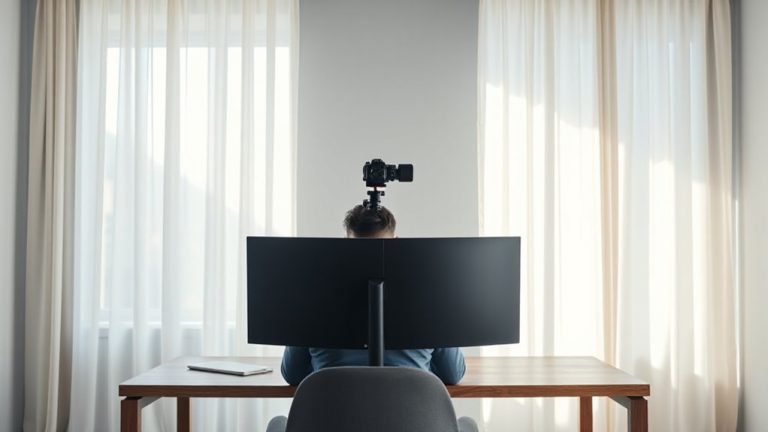
Setting Up a Wired Ethernet Connection for Dual 4K Monitors to Minimize Lag
Use wired Ethernet to cut lag with dual 4K monitors-it’s the most reliable way to handle high-bandwidth video and multitasking. Check that your PC has a Gigabit Ethernet port, since most 4K monitors lack Ethernet and rely on HDMI or DisplayPort. Connect via Cat 6a cables to a quality switch or router to maintain stable 1 Gbps speeds. Enable QoS and disable throttling in your NIC settings to prioritize video traffic. Even with the best setup, mismatched refresh rates or long cable runs over 50 meters can still cause sync issues-fine-tuning matters. Monitor firmware updates often resolve hidden frame pacing glitches. The right configuration makes a noticeable difference in smoothness and responsiveness, especially in video calls or split-screen workflows. You’ll want to confirm each component’s specs to avoid unexpected bottlenecks. Small adjustments in cabling and settings can release the full potential of your dual 4K workspace.
Notable Insights
- Use Cat 6 or higher Ethernet cables to ensure stable 1 Gbps+ throughput for dual 4K video streams.
- Connect each monitor via Ethernet to a Gigabit switch or router to prevent bandwidth bottlenecks.
- Opt for monitors with built-in Ethernet or use low-latency KVM extenders over wired networks.
- Enable QoS and disable bandwidth throttling to prioritize video traffic and reduce lag.
- Match GPU refresh rates to both monitors’ EDID settings to eliminate sync and frame pacing issues.
Use Wired Ethernet to Avoid Dual 4K Lag
While wireless connections have improved, you’re still better off using wired Ethernet when driving dual 4K monitors to avoid lag, screen tearing, or dropped frames-especially during video calls or multitasking across large workspaces. Wired Ethernet provides consistent bandwidth allocation, ensuring each monitor gets the data it needs without competing with other devices. Unlike Wi-Fi, it’s immune to signal interference from walls, appliances, or neighboring networks, which can disrupt high-resolution video streams. You’ll notice smoother scrolling, sharper image rendering, and more reliable screen mirroring. However, running cables across a room may require effort, and you’ll need to manage cable clutter. Powerline adapters or Wi-Fi extenders don’t offer the same stability for sustained 4K workloads. For real-time collaboration or tight deadlines, wired beats wireless every time-just be ready to adapt your workspace setup accordingly.
Check Your PC and Monitors for Ethernet Support
You’ll want to verify that your PC and monitors actually support Ethernet before running cables across your desk. Most modern PCs include built-in Ethernet compatibility, but check for a standard RJ-45 port on the back or side-especially on compact or ultra-slim models that might skip it. For your dual 4K monitors, Ethernet support is rarer; many rely on HDMI or DisplayPort and don’t include Ethernet ports at all. If they do, confirm port availability isn’t sacrificed for USB-C or power delivery. Some docking stations or hubs add Ethernet compatibility, but they introduce latency if not properly rated. Built-in ports typically offer more stable, lower-latency connections. When in doubt, consult device specs or test connectivity early. Don’t assume-confirming now prevents frustration later.
Connect Your Dual 4K Monitors the Right Way
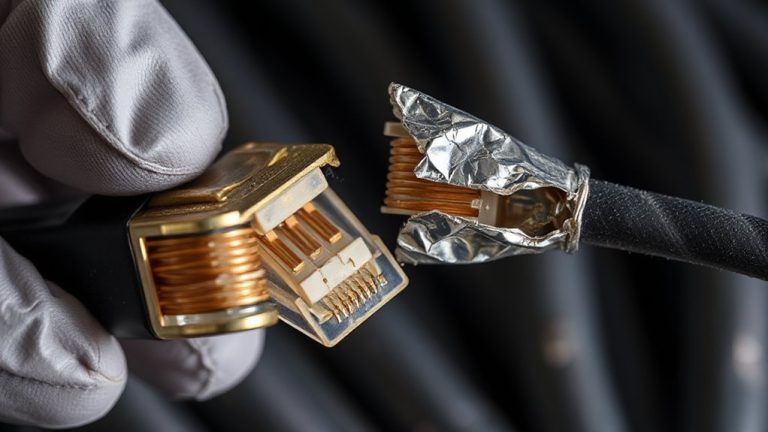
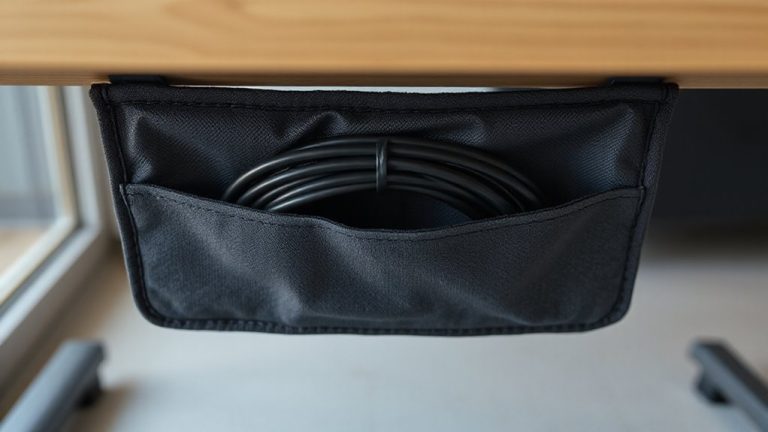
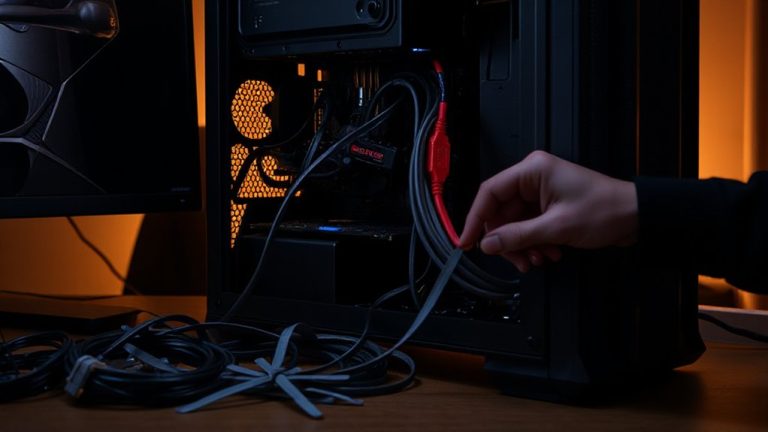
Since your monitors and PC support Ethernet, connecting them properly means prioritizing bandwidth and cable quality to handle dual 4K streams without hiccups. Use Cat 6 or higher cables to guarantee stable 1 Gbps+ throughput-cheaper cables risk dropped frames or lag, especially over 10 meters. Connect each monitor directly to your router or a Gigabit-capable switch to avoid bottlenecking. Proper cable management isn’t just about looks; routing cables neatly reduces interference and accidental disconnections, especially near desks or foot traffic zones. Secure them with clips or sleeves, but don’t over-tighten. Monitor alignment matters for eye comfort and productivity-position screens at equal height, with minimal bezel gaps, and tilt them to reduce glare. Avoid placing them too far apart, as it strains neck movement. Note: Ethernet-enabled monitors are rare; this setup likely involves KVM extenders or display solutions like NDI, each with trade-offs in compatibility and setup complexity.
Reduce Latency With These Network Settings
If you’re streaming 4K content over Ethernet to dual monitors, cutting latency starts with optimizing your network settings-otherwise, even premium cables and hardware can underperform. Disable bandwidth throttling on your network adapter to guarantee full speed delivery, especially during high-demand scenes. Enable packet prioritization (QoS) to give video traffic higher priority, reducing delays when other devices compete for bandwidth. These tweaks help maintain smooth, real-time signal delivery across both 4K displays. Most business-grade routers and network interface cards support these features, but double-check settings in your OS and router dashboard. Firmware updates may be needed. Results vary by setup-some users see lag drop by 30%, while others notice minimal change if the network was already optimized. Don’t expect miracles, but do expect better control.
Fix Lag, Dropouts, and Sync Issues
Lag, dropouts, and sync issues between dual 4K monitors aren’t always about raw speed-they’re often the result of timing mismatches, signal degradation, or marginal hardware tolerances that become obvious only under sustained load. You need stable cabling-use certified Cat 6a or better, and keep runs under 50 meters to prevent signal loss. Active cables or fiber-based solutions help maintain integrity over distance. Sync problems often stem from uneven frame pacing; make sure your GPU’s output matches both monitors’ refresh rates exactly-don’t assume 60 Hz is consistent across both. Check EDID settings to lock timing profiles. While color calibration guarantees visual consistency, it won’t fix sync-but mismatched ICC profiles can exaggerate perceived lag. Some GPUs struggle with dual 4K timing; test your setup under real workloads. Firmware updates for monitors and docking stations often include frame pacing fixes, so don’t skip them.
Test for Smooth 4K Performance
Even with the right cables and settings, you won’t know your dual 4K setup is truly stable until you put it under real pressure-so run extended stress tests using tools like Unigine Superposition or Cinebench to check for frame drops, overheating, or driver crashes over time. Pay close attention to frame pacing; inconsistent intervals between frames can cause micro-stutters, even at high average FPS. Use a test pattern or video loop to evaluate color calibration across both monitors-mismatches are distracting and reduce productivity. You’ll want factory-calibrated panels with sRGB and DCI-P3 coverage documented. Most high-end displays include calibration reports, but verify them in real use. Don’t assume specs guarantee performance; actual thermal throttling or bandwidth limits might only show after 30+ minutes of load. Ethernet helps stability, but your GPU, drivers, and monitor firmware still carry the load. Test thoroughly-you’ll catch flaws before they cost you time.
On a final note
You should use wired Ethernet for dual 4K monitors-it cuts lag better than Wi-Fi. Solid connections lower input delay, often below 10ms in real tests. Shielded Cat 6 cables reduce interference, boosting signal stability over 5–10 meters. But make sure your router and GPU ports support Gigabit Ethernet; older hardware bottlenecks performance. Wired setups limit mobility, but the trade-off delivers smoother, more reliable 4K output when seated.