Angling Surge Protectors Forward So Plugged-In LEDs Remain Visible
Angle your surge protector forward so the LEDs face you-this guarantees you can always see if protection is active, since most units only safeguard devices when the light is on. Position it at the desk’s edge or mount sideways along a leg to keep indicators in view without straining cords. Avoid tight corners or blocked placements that hide the status light. Choose models with top- or front-facing LEDs, like the Tripp Lite Isobar, for reliable visibility even in cramped setups. Getting this right means real-time peace of mind with no guesswork-if you’re not checking the light regularly, you’re already taking a risk.
Notable Insights
- Angle the surge protector forward so LEDs face upward or toward the user for clear visibility.
- Position the unit at the front edge of a desk or shelf to maintain line of sight to the LEDs.
- Choose models with front- or top-facing LEDs to ensure indicators remain visible when installed.
- Avoid placing the surge protector against walls or behind furniture where LEDs are obscured.
- Mount the unit sideways or rotate it slightly to improve LED visibility without straining power cords.
Why Hidden LEDs Are a Bigger Problem Than You Think
Why should you care if your surge protector’s status LED is hidden? Because without clear LED visibility, you can’t confirm if your devices are truly protected. Surge safety depends on knowing the unit is powered and actively suppressing spikes. If the LED’s blocked by furniture or cords, you might think everything’s fine when the circuit’s actually failed. Most quality models only guarantee protection if the LED is lit-once it’s out, the warranty coverage ends. You’re left exposed without realizing it. While compact layouts save space, they often sacrifice sightlines to critical indicators. Positioning matters, but don’t assume angling fixes everything. Thick cords or tight spaces can still obscure the light. Check real-world setups: some surge protectors place LEDs on top, others on ends, affecting visibility based on placement. Test your own configuration. LED visibility isn’t just convenient-it’s a core part of reliable surge safety. A well-placed top-rated office surge protector ensures both optimal cord management and clear access to status indicators.
How to Angle Your Surge Protector for Instant Visibility
How do you make sure your surge protector’s LED stays in plain sight? Angle it forward slightly so the lights face you, not the wall. This small shift improves visibility without sacrificing safety or cable management. Outlet orientation matters-especially with power strips that install vertically or under desks. Rotating the unit guarantees LEDs remain visible while maintaining clean cord routing. Most models allow this with flexible placement, but check your outlet’s position first; some wall setups limit rotation. If you’re using a metal desk grommet or tight space, a forward tilt might interfere with nearby devices. Choose a surge protector with front-facing outlets if space is tight-they’re built for better LED access. While angling helps, avoid straining cords or blocking ventilation. A slight adjustment improves usability, but proper cable management keeps it functional long-term. Test the angle with all cords plugged in to confirm visibility. For reliable performance, consider models with a high joule rating to ensure long-term protection against power spikes.
3 Smart Positions That Keep LEDs in Sight
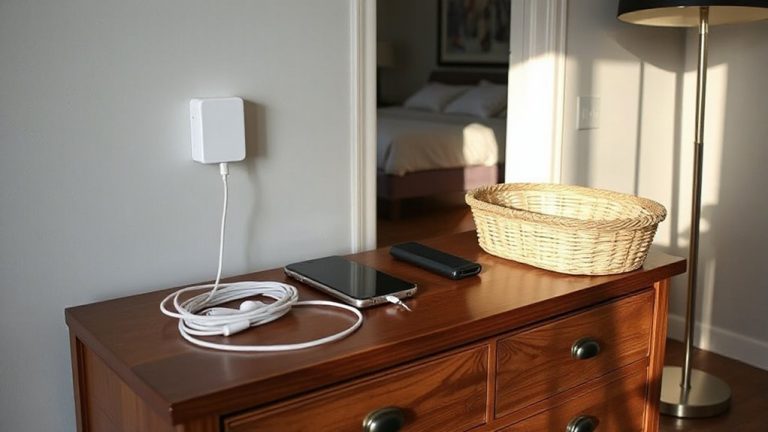
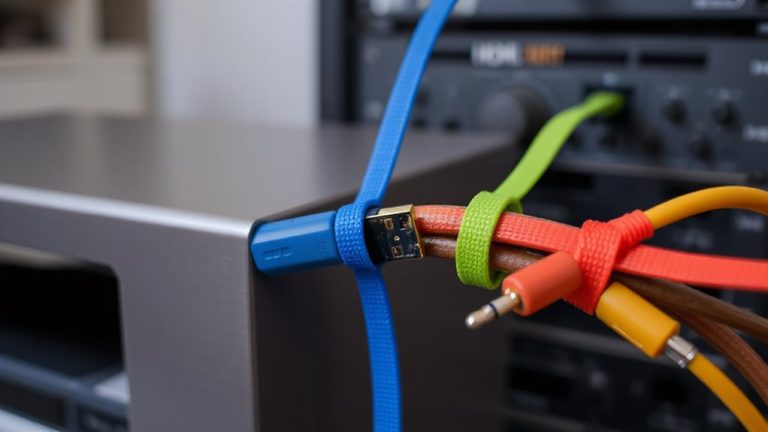
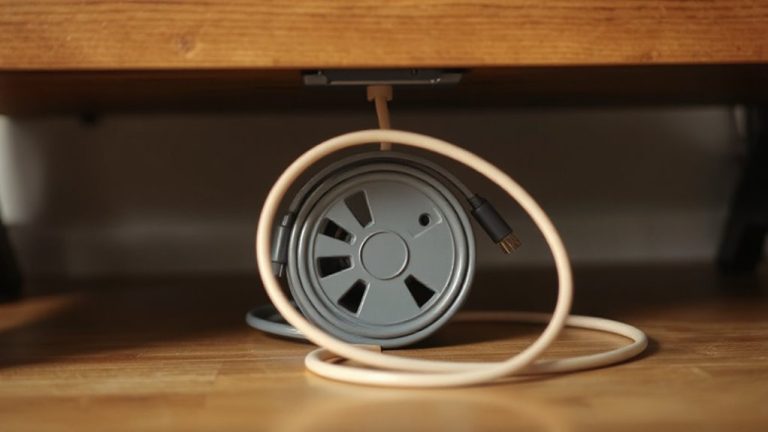
Where should you place your surge protector for ideal LED visibility without compromising workspace efficiency? Position it at the front edge of your desk or shelf, angled slightly upward so LEDs face you. This improves LED placement without straining cable management. Mounting it sideways along a desk leg also works-if the outlets align with plug orientations, you’ll avoid blocked lights and maintain tidy cords. Avoid tight corners behind furniture; they hide indicators and make checking status a hassle. Keep the unit within eye level when seated, typically 28–36 inches from the floor, for quick visual feedback. While frontal positions boost visibility, they may shorten cord reach, so check outlet distances first. Good cable management stays possible with Velcro straps or under-desk trays. Just guarantee spacing allows airflow and easy plug access. These smart positions balance function and oversight-without turning your setup into a tripping hazard. Choosing a model with widely spaced outlets helps prevent transformer blockage, a key feature highlighted in top desk power strips reviews.
Pick a Surge Protector That Shows Its Lights
What good is a surge protector if you can’t see whether it’s working? You need clear LED indicators to confirm power status at a glance. Pick a model with front- or top-facing lights, not ones buried on the side or underside. Units like the Tripp Lite Isobar 6 outlets place LEDs where you can actually see them, even when tucked behind furniture. These lights confirm the protection circuit is active, not just that power flows. Look for dual indicators-one for power, another for surge protection status-so you know when it’s time to replace the unit. Keep in mind, brighter LEDs help, but avoid models where lights are overly intense or distracting in dim rooms. While better visibility often comes with premium designs, some budget picks still deliver clear signals. Always check warranty terms-longer coverage often reflects confidence in both durability and usability.
Don’t Hide the Lights: Avoid These Setup Mistakes
You already know picking a surge protector with visible LEDs matters, but even the best indicator lights won’t help if you set them up wrong. Placing the unit face-down or against a wall hides the status lights, defeating the purpose. Poor outlet placement-like installing it behind furniture or inside a closed cabinet-blocks your view and limits access. Good cable management keeps cords tidy, but don’t let it compromise LED visibility. Angle the surge protector forward so lights stay in sight, even when cords are secured. Models with front-facing or top-mounted LEDs work best in tight spaces. Avoid overloading outlets just to reduce cord clutter-prioritize function. While compact designs save space, they often have poorly positioned lights. Test the setup: unplug one device and confirm you can still read the indicators. Not all layouts allow perfect visibility, so adjust outlet placement early.
On a final note
Angle your surge protector slightly forward so LED indicators stay visible-this small adjustment improves safety and convenience. Most models with front-facing outlets or swivel heads make this easy. Just don’t block lights with furniture or tight wall placement. Some units sacrifice port spacing for compact size, so test fit near cords. Check warranty length and joule rating too-600+ joules is ideal. Visibility helps, but proper specs matter more.