Managing Acoustic Challenges in Open Concept Homes With Shared Workspaces
You can reduce noise in open concept homes by combining acoustic panels with NRC ratings above 0.7, thick rugs over hard floors, and tall, dense furniture like bookshelves to create effective sound zones. While ANC headsets from Sony or Bose help with low-frequency distractions, they’re less effective on sudden sounds. For real results, cover over 40% of walls with absorptive materials-and know that smart sound masking systems work best when paired with quiet planning. The right setup balances openness and focus, especially when activity mapping guides your layout. Strategically placed soft materials and zoning choices improve both comfort and concentration in shared spaces.
Notable Insights
- Use floor-to-ceiling bookshelves and upholstered dividers to block and absorb sound between shared workspaces.
- Install acoustic panels with NRC ratings above 0.7 on walls and ceilings to reduce echo and reverberation.
- Place thick area rugs with pads under desks to minimize floor sound reflections and define zones.
- Position workspaces away from high-traffic areas using activity mapping to reduce noise distractions.
- Use active noise-canceling headsets and sound masking systems to enhance focus in open layouts.
Why Open Concept Homes Amplify Noise in Shared Workspaces?
Why does sound seem to travel so easily in your open concept home, turning focused work into a battle against background noise? Because hard surfaces and open layouts boost sound reflection, letting noise bounce freely. You’re likely experiencing something like echo location, where voices and sounds travel far and repeat, disrupting concentration. Without walls, there’s nothing to block or absorb the waves, so a kitchen clatter or TV buzz becomes a distraction at your desk. This isn’t just annoying-it’s a real productivity issue. Acoustic panels or thick rugs can help, but they only work if placed strategically. Even then, coverage often needs to exceed 40% of wall space to make a noticeable difference. Don’t expect total silence; realistic improvements mean lowering volume and clarity of distant sounds, not eliminating them. Results vary based on ceiling height and flooring material, so test solutions room by room. For effective sound absorption, consider installing best acoustic panels designed specifically for home office environments.
Use Furniture to Create Sound-Smart Work Zones
While you can’t rebuild walls, you can use furniture to break up sound paths and define quieter work zones in your open layout. Strategic furniture zoning helps carve out focused areas without closing off space visually. Tall bookshelves, upholstered room dividers, or credenzas placed mid-room act as effective acoustic screening, reducing direct sound travel between zones. For best results, choose pieces at least 6 feet high with dense construction-these block mid-frequency noises like speech better. Test configurations by clapping or speaking normally to see how sound shifts. Keep in mind, furniture alone won’t eliminate noise, but it will help manage it. Avoid flimsy, low-height pieces-they offer minimal screening. Balance aesthetics and function: solid backs and fabric finishes improve performance slightly. Stylish bookshelf accessories can enhance both the visual appeal and acoustic performance of tall bookshelves by adding mass and texture. A well-curated shelf with Stylish Bookshelf Accessories contributes to a more effective sound barrier while elevating your space. While not a full soundproofing solution, proper placement offers noticeable improvement with zero renovation.
Add Soft Materials That Absorb Sound Without Closing Off Spaces
You’ve already used furniture to block sound paths and define work zones, but stopping airborne noise completely requires tackling how sound behaves once it’s in the air. Soft materials like acoustic panels and area rugs absorb sound waves, reducing echo and improving speech clarity without enclosing the space. Acoustic panels on walls-especially behind and beside desks-cut mid to high-frequency noise, while thick area rugs with pads underneath temper floor reflections that worsen sound.
| Material | Best Placement | Noise Reduction Effectiveness |
|---|---|---|
| Acoustic panels | Walls, ceiling | High (absorbs 60–70% of echo) |
| Area rugs | Over hard floors | Moderate (cuts 30–50% of reverb) |
| Fabric drapes | Windows, open zones | Moderate (50% with heavy weave) |
They’re easy to install, but effectiveness varies by thickness and material density. Cheap foam panels look poor and do little-opt for mineral wool or fiberglass core. Rugs work best when large enough to fit desk and chair.
Leverage Technology to Reduce Background Noise Distractions
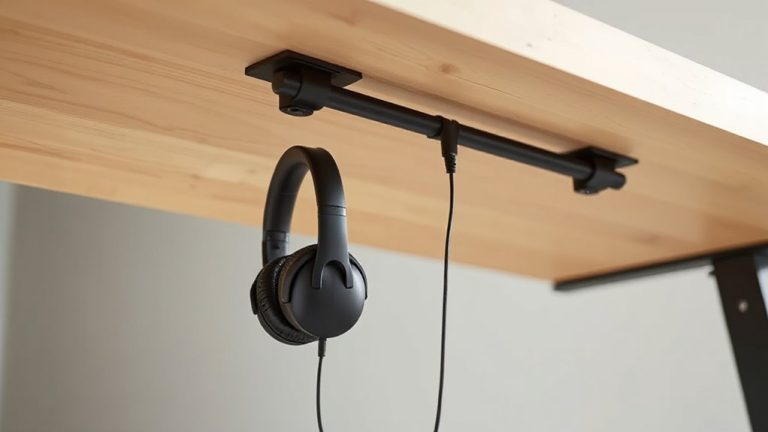
Even with well-placed soft materials, background noise from appliances, HVAC systems, or household activity can still disrupt focus-this is where active noise control technology makes a measurable difference. You can use active noise cancellation (ANC) headsets, like those from Bose or Sony, to greatly reduce low-frequency distractions during calls or deep work. They work best when ambient sounds are consistent, but struggle with sudden noises. For shared environments, consider smart sound masking systems such as Lifu or Aladdin. These emit gentle, adjustable white or pink noise through ceiling speakers, subtly reducing speech intelligibility without feeling intrusive. Real-world tests show they improve concentration, especially when paired with quiet zones. Just be cautious-overuse can cause listener fatigue. Look for models with app controls, timers, and warranty coverage of at least two years. Used wisely, these tools help maintain focus without isolating you completely.
Designate Activity Areas to Minimize Acoustic Conflict
Zoning your open-concept space by function cuts down on noise clashes before they start. You can use zoning strategies like area rugs, ceiling changes, or floor-to-ceiling shelving to silently signal where certain activities belong-keeping your home office’s quiet needs separate from the living room’s buzz. Start with activity mapping: track when and where people move, talk, or work so you can assign zones that align with real behavior, not just ideals. For instance, placing a workspace near a kitchen or play area invites distraction. You’ll need to adjust as routines shift. While clear zones help, rigid layouts can feel restrictive. Balance openness and separation by choosing furniture and architectural elements that define space without closing it off. Results vary, so test layouts over a week and tweak based on focus, conversation clarity, and comfort.
Balance Aesthetics and Function When Managing Sound Flow
A well-balanced open-concept layout doesn’t just look good-it works better, especially when you’re trying to cut down on disruptive noise without sacrificing style. You can achieve effective acoustic zoning by using furniture placement, area rugs, and half-walls to define spaces without full partitions. These moves help contain sound while keeping sightlines open. Pair them with materials that add visual softness-like fabric-upholstered chairs, woven baskets, or drapes-to absorb echoes and warm up the space. But don’t rely solely on decor; soft finishes alone won’t stop loud speech or typing clatter. For real results, combine aesthetics with function: add acoustic panels behind desks or under ceilings where sound bounces. Most tested panels reduce noise by 30–50%, but check NRC ratings above 0.7 and fire certifications. There’s always a trade-off between openness and quiet-plan accordingly.
On a final note
You can effectively manage noise in open concept homes, but it requires smart strategies. Use bookshelves and area rugs to dampen sound, and consider wired headsets with active noise cancellation for focus. Designate clear work and living zones to reduce interruptions. While acoustic panels help, they won’t block all noise-especially low frequencies. Most solutions need trade-offs in space or style, so test products with at least a 30-day return policy.