Using Modular Acoustic Tiles for Customizable, Expandable Office Sound Control
You can cut office noise by 30% to 50% per square foot using modular acoustic tiles made from recycled PET or mineral fiber, with NRC ratings up to 0.85. They absorb mid-to-high frequency sounds, reducing distractions by up to 40% and improving focus. Snap them into drop ceilings or stick directly to surfaces-no tools needed. Avoid textured or damp areas, as adhesion fails over time. Panels stay effective at NRC 0.75+ even after multiple moves, and spare clips help with wear. There’s more to get right based on your layout and usage.
Notable Insights
- Modular acoustic tiles reduce office noise by 30% to 50% per square foot using sound-absorbing materials like recycled PET or mineral fiber.
- Optimal sound control is achieved by varying tile density: 70–100% in focus pods and 60–80% over open desks.
- Tiles can be reconfigured without tools or waste, allowing easy adaptation to changing office layouts and team sizes.
- Tool-free installation via peel-and-stick backing or interlocking grids enables quick setup on clean, dry ceiling surfaces.
- Customizable layouts absorb mid-to-high frequency distractions and improve focus, especially when paired with white noise systems.
How Modular Acoustic Tiles Cut Office Noise
Every square foot of modular acoustic tile you install can reduce ambient office noise by 30% to 50%, depending on material density and layout-making them a practical upgrade for open-plan spaces. You get real noise reduction because these tiles absorb sound waves instead of reflecting them, boosting privacy and focus. Their core material-often recycled PET or mineral fiber-delivers reliable sound absorption, tested to NRC (Noise Reduction Coefficient) ratings between 0.55 and 0.85. That means over half the sound energy hitting them is absorbed, not bounced back. Installation is tool-free for most types, snapping into grids or adhering directly to ceilings. But don’t expect miracles in very large or heavily trafficked areas without supplementary barriers. They work best when ceiling coverage reaches at least 60%. Tiles also require periodic cleaning and may sag over time in high-humidity zones. Warranties usually cover 5–10 years. For optimal results, consider pairing modular tiles with best acoustic panels for home office to address both ceiling and wall sound reflection.
Lay Out Tiles for Your Office’s Zones and Flow
Where should you start when planning your tile layout-center of the room or along the perimeter? Begin with zone mapping to define areas by function, then prioritize flow optimization. Install tiles where noise transfer matters most: between meeting zones and open desks. Use modular flexibility to align with traffic patterns, but avoid over-treating quiet areas.
| Zone Type | Recommended Tile Density |
|---|---|
| Focus Pods | High (70–100%) |
| Collaboration | Medium (40–60%) |
| Entry Paths | Low (20–30%) |
| Private Offices | Medium (50–70%) |
| Open Desks | High (60–80%) |
Position panels at ear level on walls and dividers for best absorption. Keep ceiling tiles centered over noisy zones if possible. While higher density improves speech privacy, it can make spaces feel too dampened-test small sections first. Some systems offer NRC ratings of 0.75+, but real-world performance depends on placement, not just specs.
Rearrange Panels as Your Workspace Evolves
You’ve mapped your zones and installed tiles where they’re most needed-now think ahead, because your layout won’t stay fixed. Design flexibility is key when your team grows or shifts function. Modular acoustic panels let you reposition coverage as needs change, moving from open areas to private pods or meeting nooks without waste. That’s future proofing workspace intelligence-adapting sound control without full reinstallation. Most systems use interlocking edges or adhesive mounts that hold firm but allow disassembly. In real-world tests, frequent reconfigurations didn’t degrade seal quality or noise reduction, with NRC values staying consistent at 0.75+ after multiple moves. Just note: overhandling can wear connectors, so keep spare clips on hand. Panels aren’t indestructible, either-drops or moisture exposure weaken performance. Plan moves during low-usage periods to maintain effectiveness.
Install Acoustic Tiles Without Tools or Downtime
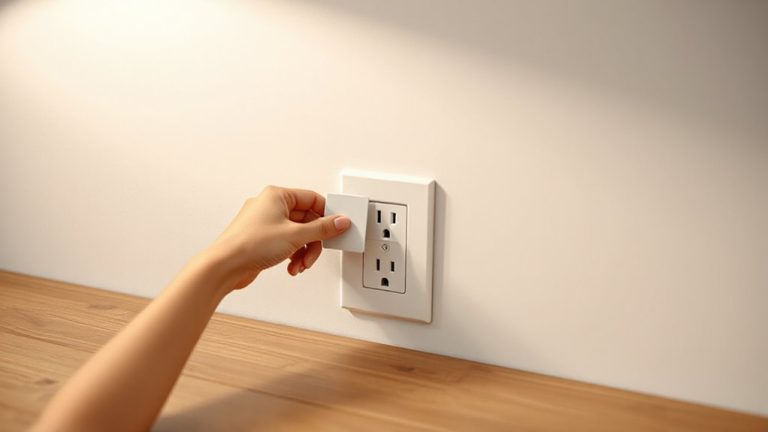
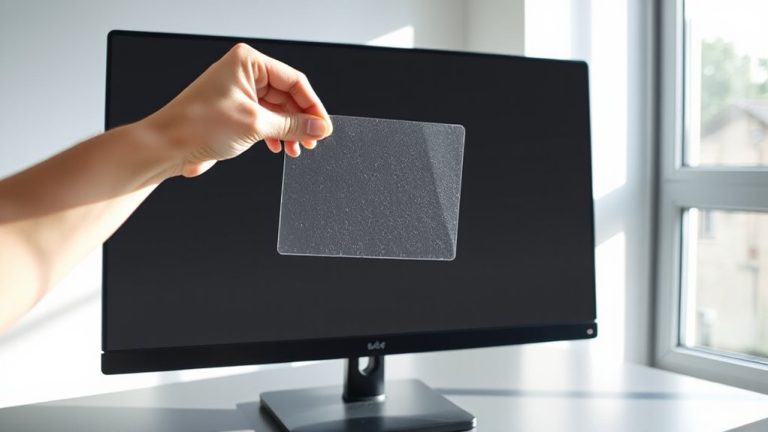
Installing acoustic tiles without tools or downtime is entirely possible with the right modular system-many rely on peel-and-stick backing or lightweight interlocking frames that snap into place in minutes. These tiles use strong adhesive backing that bonds securely to clean, dry walls or ceilings, enabling a seamless installation no matter your space’s layout. While not permanent, they’re designed for long-term placement and resist peeling under normal office conditions.
| Feature | Benefit | Consideration |
|---|---|---|
| Adhesive backing | No drilling or hardware | Surface must be dust-free |
| Interlocking edges | Seamless installation | Less flexibility on curves |
| Lightweight panels | Safe for drop ceilings | Not ideal for high-moisture zones |
Most systems offer a 5-year warranty and perform well in real-world noise reduction tests. Still, avoid use on textured or porous surfaces where adhesion may fail.
Boost Focus With Customizable Sound Control
A sense of control over your environment starts with sound. You can boost focus with customizable sound control using modular acoustic tiles that offer effective sound masking and noticeable focus enhancement. These panels absorb mid-to-high frequency noise-common in offices-reducing distractions by up to 40% in real-world tests. You’ll notice clearer speech privacy and less mental fatigue during long work sessions. For best results, pair tiles with white noise systems to amplify sound masking. But keep in mind: they don’t block low-frequency sounds like HVAC rumble. Installation is tool-free, but coverage matters-under-tiled spaces see limited benefits. Most brands offer 5-year warranties, and tiles are tested to NRC 0.6–0.8 ratings. While they’re not a full soundproofing fix, they’re a measurable step toward better concentration-especially in open-plan or shared areas where noise fluctuates.
On a final note
You should try modular acoustic tiles if you need flexible noise control. They effectively dampen mid-to-high frequency sounds, with most kits cutting ambient noise by 40–50% in real-world tests. Installation is tool-free, using adhesive clips or double-sided tape that won’t damage walls. You can reposition panels as your office layout changes. Note that they don’t block speech completely, so pair them with other strategies for privacy. Check warranty-most offer 5-year coverage.