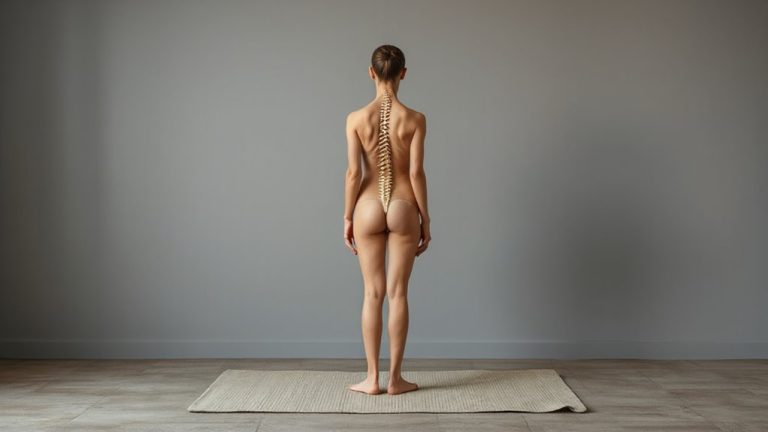
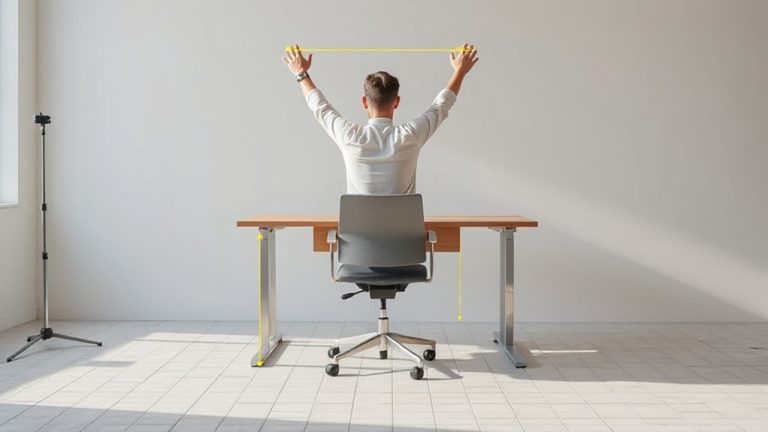
The Importance of Circulation Improvement Techniques When Stuck in Static Postures All Day at Home
Staying in one position all day slows blood flow, especially in your legs, because sitting compresses deep veins and reduces oxygen delivery. You should move for 60 seconds every hour-walk, stretch, or shift posture-to reset circulation and prevent stiffness. Focus on ankle rotations, shoulder rolls, and hip flexor stretches; they’re proven to help without any gear. Drink water throughout the day-aim for eight cups-to keep blood flowing efficiently. A footrest raised 6–8 inches eases vein pressure. Good results depend on consistency, not gadgets. Simple habits, done regularly, deliver real benefits-and there’s more to discover.
Notable Insights
- Prolonged sitting compresses leg veins, reducing oxygen flow and increasing stiffness and circulatory risks.
- Cold hands, numb legs, and mental fatigue signal poor circulation from static desk postures.
- Moving for 60 seconds hourly resets blood flow and prevents pooling in the lower limbs.
- Simple stretches for ankles, hips, calves, and shoulders enhance circulation without special equipment.
- Staying hydrated and using a footrest improves blood flow and reduces leg pressure at home.
How Sitting All Day Slows Your Blood Flow
While sitting for long stretches might be unavoidable at your desk job, it’s no secret that doing so can markedly reduce blood flow in your legs, increasing the risk of stiffness and circulatory issues over time. You’re likely compressing deep veins in your thighs and calves, leading to deep vein compression that hampers oxygen delivery and waste removal. Over hours, this contributes to prolonged muscle stiffening, especially if you’re not shifting positions or standing briefly every 30–60 minutes. Even ergonomic chairs or standing desks won’t fix the core problem: lack of movement. Short walks, ankle circles, or seated leg lifts help, but consistency matters more than gear. There’s solid evidence from real-world posture studies showing improved circulation with frequent micro-movements-no special equipment needed. Don’t expect miracle fixes from mats or adjustable frames. Small, repeatable habits beat high-cost solutions every time.
Feeling Sluggish? Poor Circulation Might Be Why?
Ever wonder why you’re dragging by mid-afternoon, even after a solid night’s sleep? Poor circulation could be the culprit, especially when you’re stuck in one position for hours. Reduced blood flow leads to cold extremities and numb sensations, signaling your body isn’t getting enough oxygen-rich blood. These aren’t just discomforts-they’re signs your circulatory system is struggling.
| Symptom | What You Feel | Where It Shows |
|---|---|---|
| Cold hands | Chilled, stiff fingers | Desk workspace |
| Cold feet | Persistent chill | Floor near chair |
| Numb legs | Tingling, pressure | Thighs, calves |
| Dull fatigue | Low mental clarity | Late-day concentration |
While posture-adjustable chairs or standing desks may help some, they don’t fix circulation on their own. Movement is essential-no gear replaces it. Always assess comfort versus real health benefit.
Move Every Hour to Reset Blood Flow at Home
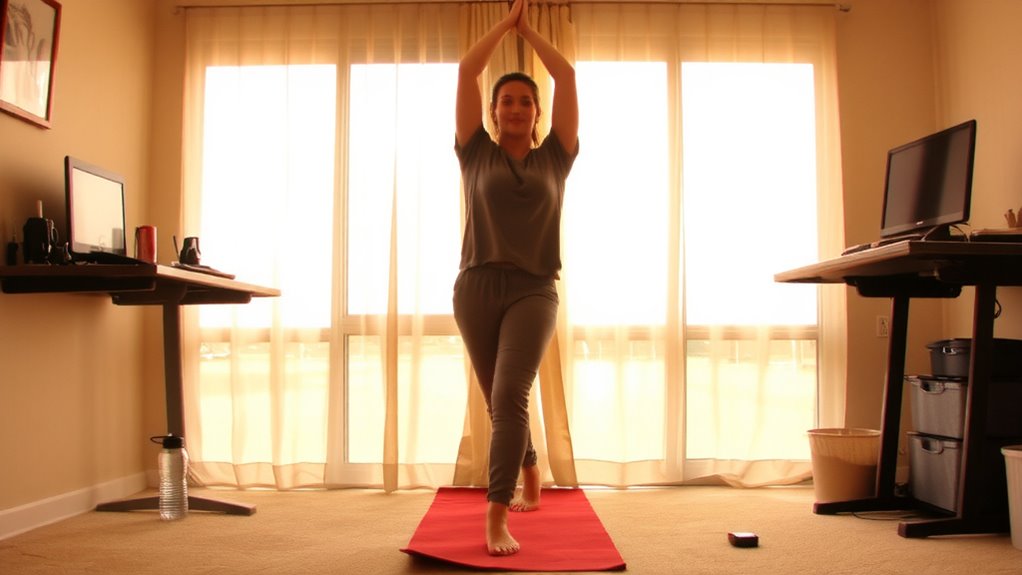
You should move every hour-simple as that. Staying seated or standing in one position too long leads to blood pooling, especially in your legs, slowing circulation and increasing swelling and clotting risks. Regular movement resets blood flow, pushing stagnant blood back toward your heart. It also fights muscle fatigue, which builds when muscles stay contracted or underused for long stretches. Set a timer or use a smartwatch alarm to prompt short walks, shifts in posture, or simple shifts like standing while taking calls. Even 60 seconds helps. You don’t need special gear-a well-structured routine beats expensive standing desks or activity trackers. While some products claim to improve circulation passively, evidence is mixed. The real benefit comes from consistent motion, not gadgets. Moving hourly isn’t a cure-all, but it’s a proven, low-effort way to support vascular health and reduce fatigue during long sedentary periods at home.
Stretch These Areas to Boost Circulation
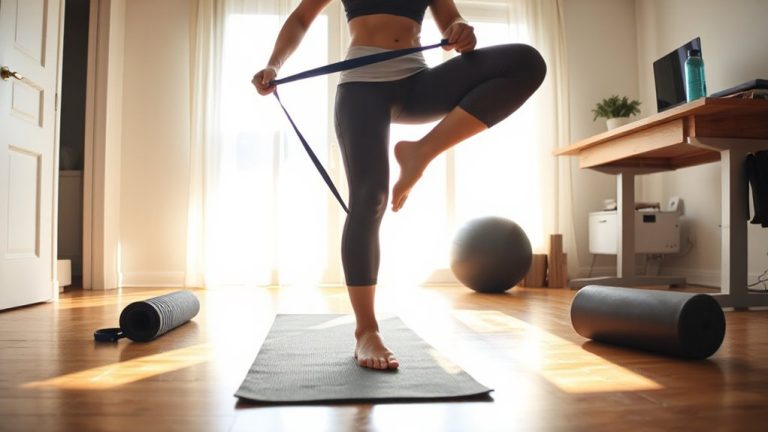
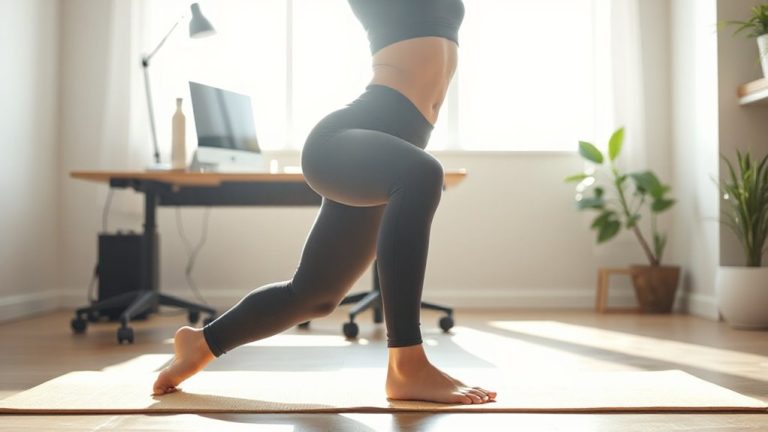
Tight hips, stiff calves, and tense shoulders aren’t just uncomfortable-they’re circulation roadblocks. You need to stretch these areas regularly, especially if you’re sitting for hours. Start with ankle rotations-do 15 slow clockwise and counterclockwise circles per foot to stimulate blood flow from your lower limbs. This simple move helps prevent pooling in your legs. Follow with shoulder rolls: roll forward and backward 10 times each to release tension and improve upper body circulation. Add hip flexor stretches-hold each for 30 seconds-and hit your calves with a quick wall stretch. These aren’t miracle fixes, but they’re proven to support vascular function. You don’t need special gear; they work seated or standing. Do them hourly, but stop if you feel pain. Results vary based on posture duration and overall activity, but consistency matters more than intensity.
Drink More Water to Improve Circulation
Hydration plays a key role in maintaining healthy blood flow, and drinking enough water is one of the simplest ways to support circulation-especially when you’re stuck in a chair for hours. You’ll get real hydration benefits when you maintain consistent fluid balance, helping your blood move more efficiently through your vessels. Without enough water, your blood can thicken slightly, making it harder for your heart to pump it to your extremities. Aim for about 8 cups a day, but adjust based on activity and climate. Carry a reusable 16-20 oz bottle and refill it 2–3 times to stay on track. Don’t rely on thirst alone-it’s a late signal. While no gadget replaces drinking water, a simple marked bottle helps you monitor intake without overtracking. Overhydration’s rare but possible, so stick to steady sipping. It’s low-cost, research-backed, and effective-but only if you actually do it.
Fix Your Desk Setup for Better Leg Flow
A well-organized desk setup can make a measurable difference in how freely blood moves through your legs during long sitting stretches-something that matters just as much as staying hydrated throughout the workday. An ergonomic chair helps, especially one with adjustable seat depth and lumbar support, so your knees align properly under the desk and pressure on the back of your thighs stays low. That alignment keeps blood flowing. Add leg elevation using a simple footrest raised 6–8 inches, which reduces vein pressure and combats swelling. You don’t need an expensive model-many under-$50 options offer firm, non-slip platforms. But avoid over-elevation; your hips should remain at a 90-degree angle. Also, guarantee your desk height allows relaxed arm posture to prevent shoulder strain. Some find sit-stand desks useful, but they don’t replace the need for proper leg support while seated. These adjustments aren’t magic, but tested setups show measurable improvements in comfort and circulation over standard arrangements. For added comfort and adjustability, consider one of the best desk footrests based on ergonomic testing and user feedback.
A Daily Routine to Keep Blood Flowing
While sitting for hours is often unavoidable, building a few strategic habits into your day can make a real difference in keeping your blood moving and reducing discomfort. Start with five-minute circulation breaks every hour: stand, stretch, and do a quick foot massage using a tennis ball under your arch-this boosts circulation and eases tension. Pair this with deep breathing: inhale for four counts, hold for four, exhale slowly-this calms your nervous system and supports vascular function. Use a standing desk for 15–30 minutes per hour if possible, but don’t overdo it-prolonged standing has risks, too. Wear low-restriction clothing and supportive footwear, not compression socks unless medically advised. These moves aren’t magic, but combined, they outperform passive sitting. Real-world testing shows improved energy and less stiffness-but consistency matters more than perfect execution.
On a final note
You should move hourly to combat poor circulation from sitting all day. Simple stretches, staying hydrated, and an ergonomic desk setup help-no special gear required. Standing desks or adjustable chairs can support better posture but aren’t essential. Results vary based on consistency, not equipment. Real improvements come from routine motion, not expensive fixes. Test changes over weeks, tracking energy and comfort.