Neutral Positioning Principles Explained: How Proper Neutral Posture Can Prevent Long-Term Musculoskeletal Issues
You should care about neutral posture-it keeps your spine’s natural curves supported, reducing disc pressure and joint strain. Sit with feet flat, knees at 90 degrees, and lower back supported; stand with ears over shoulders and hips. Use adjustable chairs and sit-stand desks, but move often-static positions cause fatigue. Core exercises like bird dogs help maintain alignment. Over-reliance on supportive gear may weaken muscles over time, so build natural stability. Small, consistent adjustments yield the best long-term results.
Notable Insights
- Maintaining natural spinal curves supports alignment and reduces strain on muscles and ligaments.
- Proper sitting posture with feet flat and back supported minimizes disc pressure during prolonged work.
- Standing with ears, shoulders, hips, and ankles aligned promotes joint health and balance.
- Engaging core muscles during daily activities stabilizes the spine and prevents overuse injuries.
- Regular movement and ergonomic adjustments reduce long-term musculoskeletal risks from static postures.
What Is Neutral Posture: And Why You Should Care?
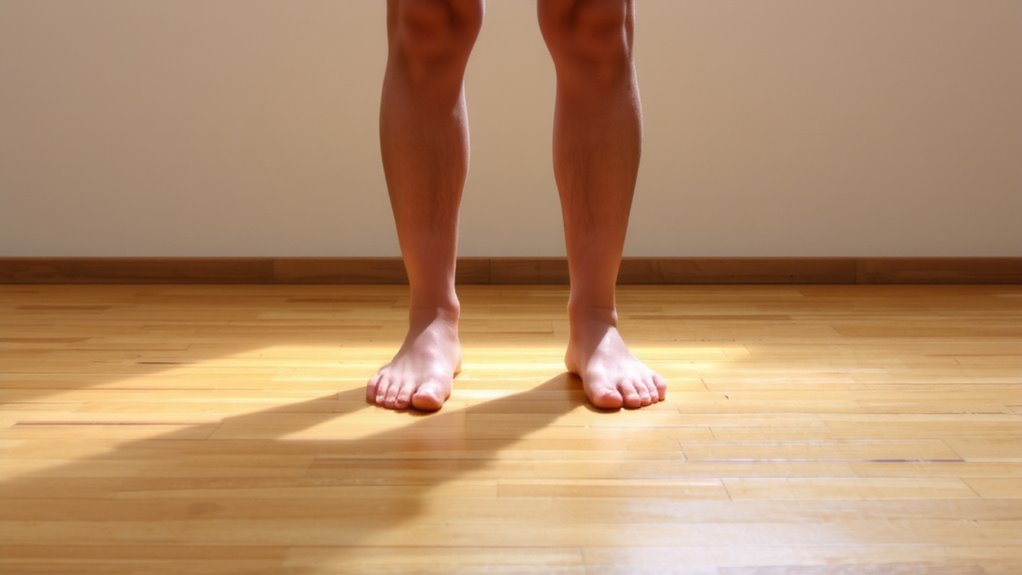
What exactly is neutral posture, and why does it matter for your daily comfort? It’s the position where your spine maintains its natural curves, supporting ideal spinal alignment and reducing strain on muscles and ligaments. This posture helps preserve joint health by distributing load evenly across structures, minimizing wear over time. When your body’s joints stack properly-from your neck down to your pelvis-you move more efficiently and with less risk of overuse injuries. While maintaining neutral posture won’t fix existing musculoskeletal damage, it can slow progression and improve function. Real-world observations show noticeable comfort gains after consistent practice, though results vary. It’s not about perfection-short deviations are normal. But prolonged poor positioning, especially during repetitive tasks, increases long-term risk. No chair or desk gadget replaces body awareness, and no warranty fixes bad habits. Relying solely on gear ignores the need for movement and posture variation throughout the day. A well-organized workspace with decorative desk mats can subtly encourage mindful setup adjustments that support neutral positioning.
How to Sit and Stand in Neutral Posture at Work
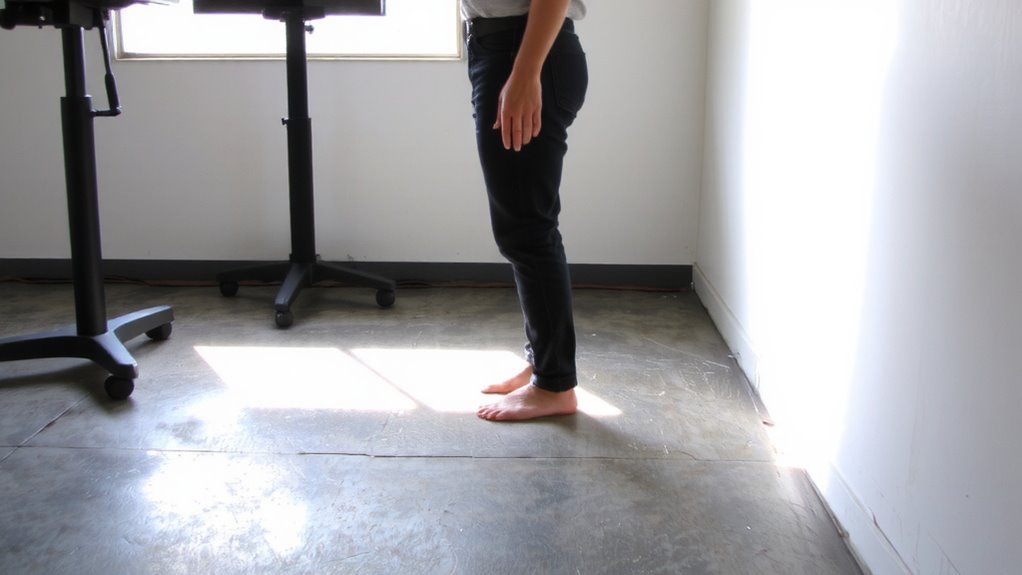
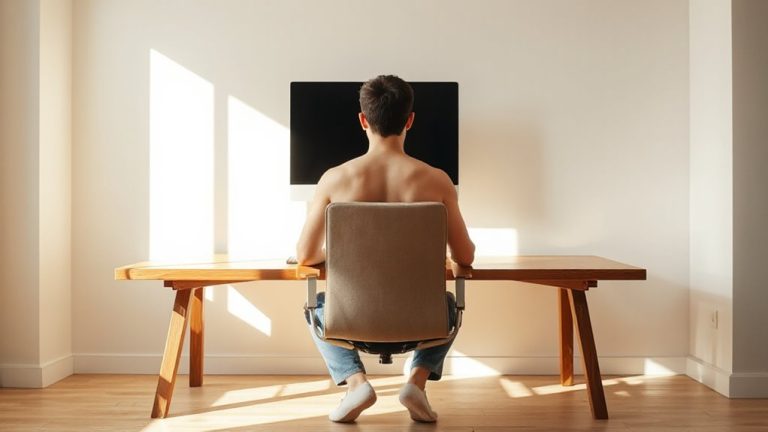
You’re probably spending hours each day sitting at a desk or standing at a workstation, and how you position your body during that time makes a measurable difference in your long-term comfort and function. When sitting, keep feet flat, knees at 90 degrees, and your lower back supported-avoid slouching or perching. For standing, align ears over shoulders, hips, and ankles; use ergonomic footwear with cushioned soles and arch support to reduce fatigue. Dynamic stretching before and after shifts helps maintain joint mobility and muscle balance. A sit-stand desk can help, but movement matters more than the gear. No setup eliminates risk entirely-consistent posture checks and micro-movements are essential. Results vary by body type and job demands, so test adjustments over two to three weeks before deciding what works. Choosing the right best home office desks can significantly support proper alignment and adjustability for both sitting and standing positions.
Neutral Posture in Daily Life: Sitting, Standing, Lifting

Good posture isn’t just for the office-it matters just as much when you’re lounging at home, walking through the grocery store, or picking up a heavy bag. You need core stability to maintain alignment whether you’re standing in line or lifting groceries. Engage your abdominal muscles slightly and keep your spine neutral to reduce strain. When standing for long periods, shift your weight often and consider ergonomic footwear with at least 1 cm of cushioning and arch support-studies show it helps reduce lower back fatigue. But not all “posture-friendly” shoes deliver; some overcorrect and cause new imbalances. Similarly, while supportive gear can help, over-reliance weakens natural stability. Build habits slowly: check your posture in mirrors or photos, and test footwear on different surfaces. Real-world comfort varies-what works for one person might not suit another. Consistency and body awareness matter more than any single product. For seated activities, consider using active sitting chairs to promote dynamic posture and engage core muscles throughout the day.
Why Good Posture Prevents Back and Neck Pain
While poor alignment won’t cause pain overnight, sticking to a neutral posture greatly lowers your risk of developing chronic back and neck strain over time-especially if you spend hours at a desk or on your feet. Proper spinal alignment keeps your natural curves supported, reducing disc pressure and preventing joint wear. This balanced position also promotes even muscle balance, so no single group overworks or tightens from compensation. When your head, shoulders, and hips stack naturally, strain on ligaments and nerves decreases markedly. You’ll notice less fatigue during long tasks and fewer nagging aches. Still, even the best posture can’t fix a poorly adjusted workstation-standing desks help, but only if set to elbow height and used with proper footwear or anti-fatigue mats. Results depend on consistent habits, not gear alone.
Exercises to Maintain Neutral Spinal Alignment
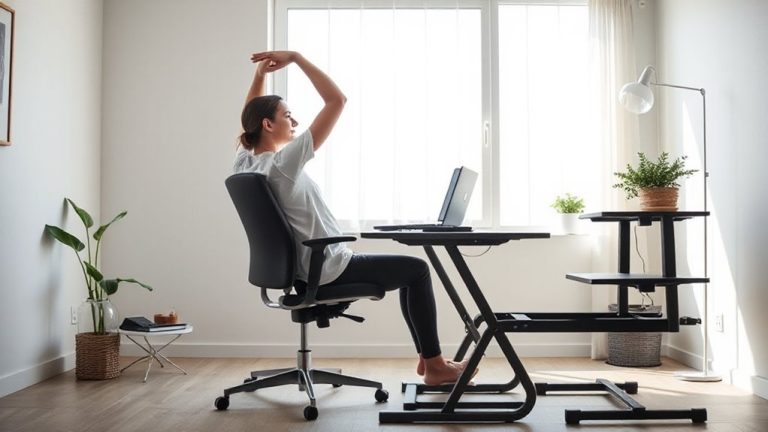
Though posture-friendly habits start with awareness, building real strength to hold neutral spinal alignment comes from consistent, targeted exercises that train your body to maintain balance under everyday loads. Core strengthening is essential-exercises like dead bugs and bird dogs activate deep stabilizers without straining your spine. You’ll feel the difference within weeks if you train 3–4 times weekly. Pelvic tilting, done lying or seated, teaches control over anterior and posterior rotation, helping you find neutral before lifting or bending. Start with 10 reps, twice daily, focusing on smooth motion. These moves aren’t quick fixes-results depend on form, not speed or reps. You might feel mild soreness initially, but sharp pain means you’re over-arching or crunching. Combine them with daily movement breaks, but don’t expect gear or gadgets to replace effort-no chair or brace builds muscle. Long-term consistency beats intensive short-term routines.
Fix Your Desk Setup for Better Posture
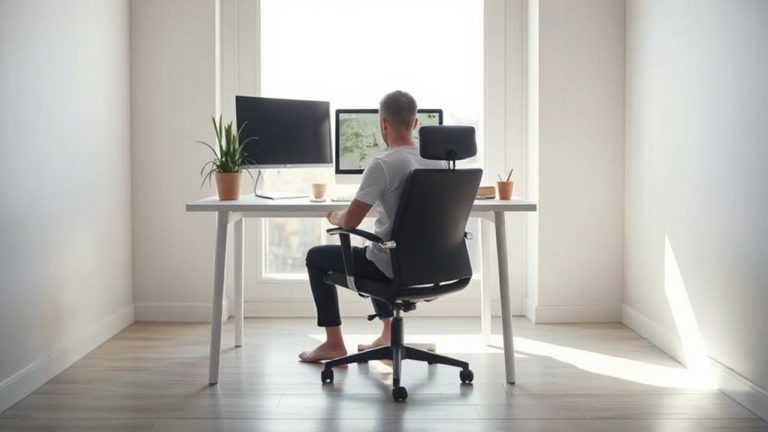
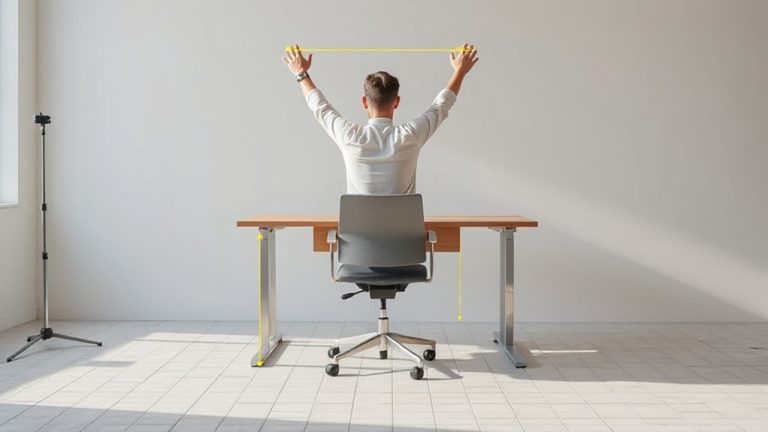
A well-designed desk setup can make a noticeable difference in maintaining neutral posture, especially during long workdays. Choosing ergonomic chairs with adjustable lumbar support helps maintain spinal alignment, but they’re not a fix-all-poor positioning still causes strain. Pair your chair with proper monitor height: the top of the screen should be at or slightly below eye level, about 20–30 inches from your face. This reduces neck flexion and keeps your head aligned over your spine.
| Feature | Ideal Setting |
|---|---|
| Chair Height | Feet flat, thighs parallel to floor |
| Monitor Height | Top line at/below eye level |
| Lumbar Support | Fills lower back curve comfortably |
Even the best gear fails if not adjusted correctly. Spend time calibrating your setup daily-small tweaks prevent long-term strain without requiring expensive upgrades.
What Bad Posture Does to Your Body Over Time
Poor posture isn’t just a bad habit-it’s a slow-moving stressor that reshapes your body over months and years. You’re setting yourself up for spinal degeneration, especially if you slouch daily at a desk without lumbar support. Over time, uneven pressure wears down discs, reducing mobility and increasing discomfort. Joint stress builds up, not just in your spine but also in shoulders, hips, and knees, since misalignment forces them to compensate. You might feel stiff at first, then progress to chronic aches. Even short-term fixes like padded chairs or standing desks won’t help if you don’t reset posture habits. Real improvement comes from consistent neutral alignment-not expensive gear. Some ergonomic products have 2-year warranties and lab testing, but they can’t override poor body mechanics. Focus on form first; equipment second.
On a final note
You’ll reduce strain by aligning your spine correctly, but only if you stay consistent. A good chair with lumbar support helps, yet no gadget replaces mindful posture. You’ll notice less back pain over weeks, especially when pairing proper seating with hourly movement. Even the best desk setup fails if you slouch for hours. Adjust your monitor height, use a supportive chair, and take breaks-because long-term gains depend on habits, not hardware.