The Impact of Blue Light on Circadian Rhythm: Balancing Work and Sleep Quality
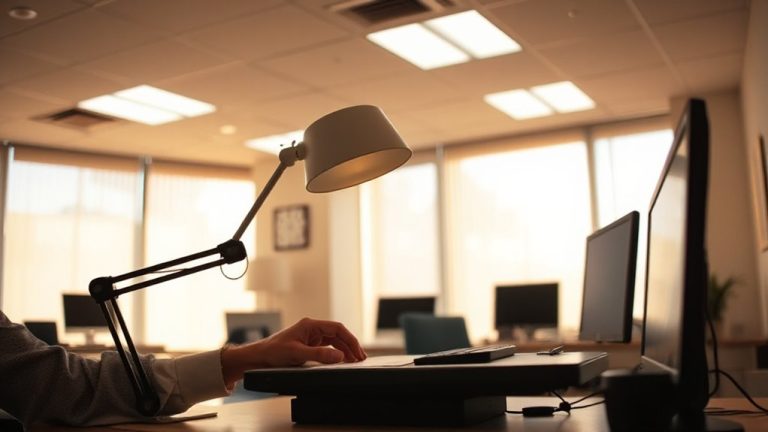
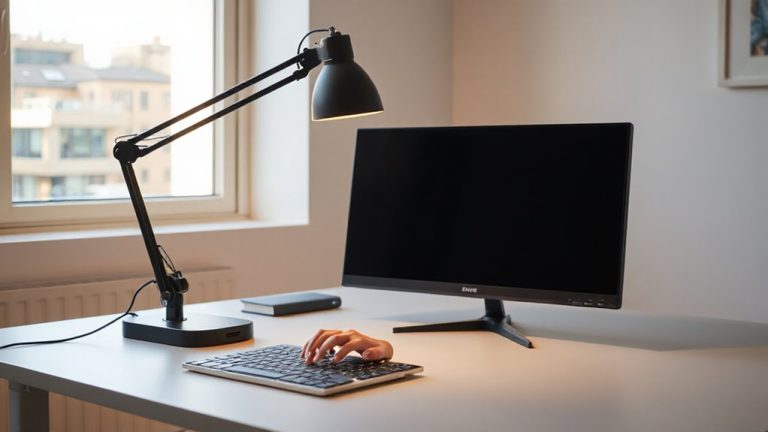
Blue light from screens and LED bulbs suppresses melatonin by up to 50%, delaying sleep onset and shifting your circadian rhythm. You should cut off devices at least one hour before bed to support natural melatonin release. Use warm bulbs under 2700K, night modes, or blue-blocking glasses to reduce exposure. Even with tools like f.lux or task batching, effectiveness drops if you’re under bright overhead LEDs. Consistency matters more than gadgets-stick to a dim, cool, and screen-free wind-down to protect both sleep and focus. There’s a smarter way to balance late work and rest.
Notable Insights
- Blue light from screens suppresses melatonin, delaying sleep onset and disrupting circadian rhythm.
- Implementing a digital curfew one hour before bed supports natural melatonin release and improves sleep quality.
- Using warm-colored lights below 2700K and blue light filters reduces evening circadian disruption.
- Blue-blocking glasses and apps like f.lux help maintain melatonin levels during necessary screen use.
- Consistent sleep routines in a dark, cool environment enhance resilience to light-related sleep disturbances.
How Blue Light Wrecks Your Sleep
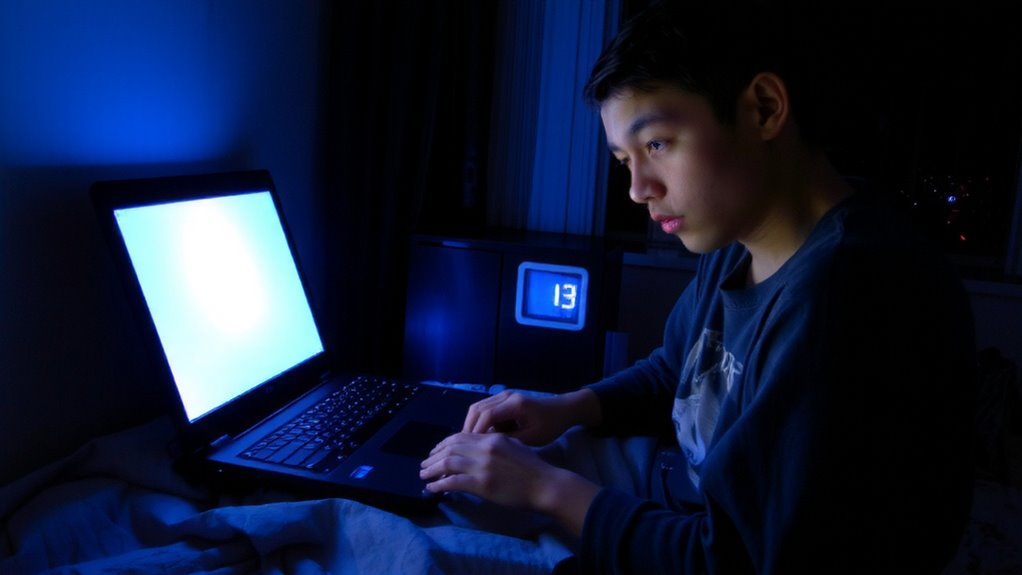
While you might not think twice about scrolling through your phone before bed, that habit could be sabotaging your sleep more than you realize-because blue light, the high-energy visible light emitted by most screens and LED bulbs, directly interferes with your body’s production of melatonin, the hormone that signals it’s time to wind down. This melatonin suppression tricks your brain into thinking it’s still daytime, disrupting your natural circadian rhythm. As a result, you’re likely to experience sleep onset delay-meaning it takes longer to fall asleep, even if you feel tired. Studies show exposure to blue light in the evening can push back sleep by 30 minutes or more. While some devices offer “night mode” filters, they don’t fully eliminate the issue, especially at lower brightness levels. Relying solely on software adjustments without reducing screen time limits effectiveness. The real fix isn’t a gadget-it’s changing your habits.
When to Cut Off Screens for Better Rest
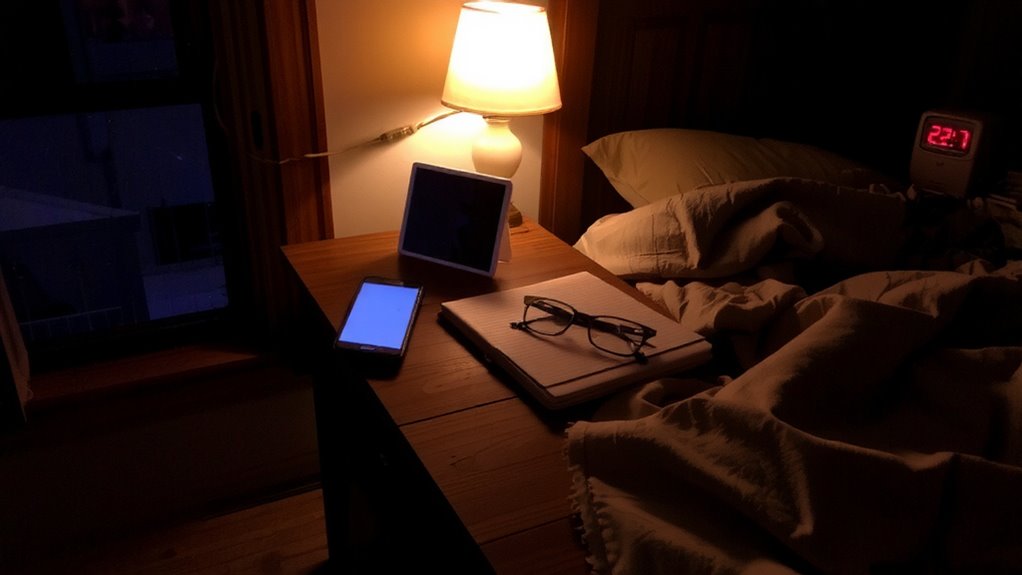
How late should you really be scrolling before it starts to cost you? Experts suggest cutting off screen time at least one hour before bed to protect your circadian rhythm. That means setting a firm digital curfew-no phones, tablets, or laptops-giving your brain time to wind down. Blue light from screens suppresses melatonin, making it harder to fall asleep and reducing sleep quality. While apps and night modes help, they don’t fully eliminate the disruption. Sticking to a consistent cutoff improves rest without relying on gadgets. Sure, it’s tough if you’re wrapping up work or unwinding with a show, but the trade-off is clearer thinking and better mood the next day. A set digital curfew isn’t about perfection-it’s a practical boundary. Start with 60 minutes, adjust as needed, and track how rested you feel. Small changes in screen time can make a real difference.
Use These 5 Ways to Block Evening Blue Light
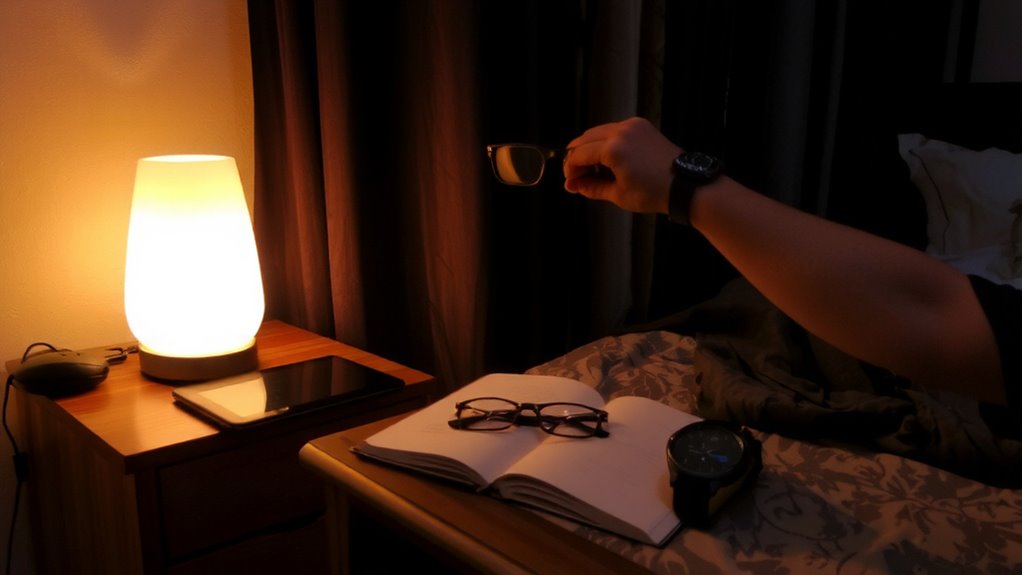
If you’re serious about protecting your sleep, blocking evening blue light is one of the most effective steps you can take-though not all methods deliver equal results. Start by swapping your regular light bulbs for warmer, amber-hued ones under 2700K; they emit far less blue-rich light. Pair that with screen filters on devices-physical overlays or built-in night modes-since they reduce glare and shift hues without sacrificing usability. You can also wear blue-blocking glasses around two hours before bed, especially if you’re exposed to LED or fluorescent lighting. Dim overhead lights and rely on lower lamps to minimize overall brightness. While effective, screen filters sometimes distort color accuracy, so they’re not ideal for design work. And not all “warm” light bulbs are equal-check packaging for actual color temperature and CRI ratings. Real-world testing shows these steps improve melatonin onset by 30–50 minutes when used consistently.
Tools That Let You Work Late Without Wrecking Sleep
You can work late and still protect your sleep with the right tools-ones that reduce blue light exposure without sacrificing productivity. Apps like f.lux and built-in night modes on iPads or Macs shift screen color to warmer tones after sunset, which studies show helps maintain melatonin levels. Pair this with flexible scheduling: work in blocks when energy peaks, not just when it’s late. Task batching keeps focus sharp and reduces prolonged screen time. Use physical blue light blockers-look for lenses with clear coating that filter 10–15% of blue light, tested under 450nm wavelengths. They work, but only if you avoid bright overhead LEDs. These tools help, but aren’t magic-if you’re staring at screens past midnight, sleep still suffers. Balance is key. For reliable eye protection during screen-heavy work, consider investing in the best blue light glasses picks.
Build a Nightly Routine That Boosts Sleep and Focus
While a well-timed screen shutdown helps, true sleep resilience starts with a consistent nightly routine that signals your brain to wind down-no apps or gadgets required. You’ll sleep better when your sleep environment is cool, dark, and quiet-aim for 65°F, blackout curtains, and minimal blue light after 8 PM. Simple relaxation techniques like diaphragmatic breathing or a 10-minute body scan can reduce mental chatter. Stick to the same bedtime and wake time, even on weekends, to stabilize your circadian rhythm. Avoid heavy meals and stimulants within three hours of bed. While tools like white noise machines or best affordable weighted blankets may help, they’re optional. Results vary-some people respond well, others don’t. Consistency matters more than gear. Focus on habit stacking: brush your teeth, then stretch, then read a physical book. That predictability trains your brain for rest.
On a final note
You’ll sleep better by cutting screen time 90 minutes before bed, since blue light delays melatonin by about 3 hours. Use software like f.lux or built-in night modes, not just dimming. Blue light glasses with amber lenses can help, but test them first-results vary. Full-spectrum lamps in the morning support alertness. No gadget replaces consistent routines, and long-term eye strain data is still limited. Balance tech use with proven behavioral fixes.