Creating an Inviting Workspace Atmosphere to Combat Isolation Effects on Mental Health
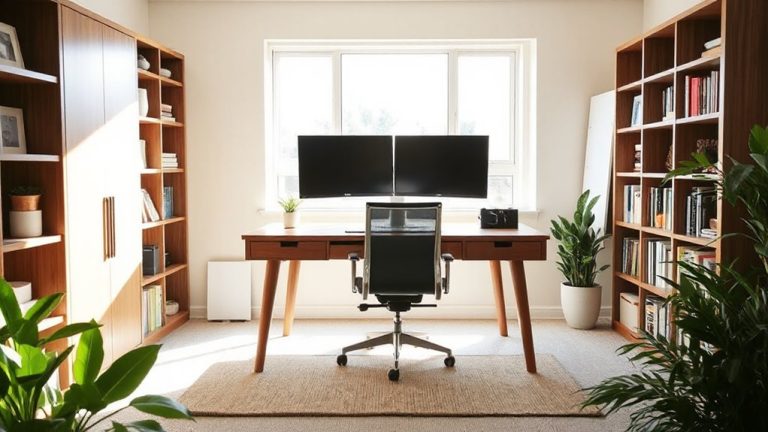
You can reduce isolation’s mental toll by shaping your workspace with care. Use full-spectrum lights at 5000K near a window to stay alert, but switch to dimmable 2700K lamps at dusk. Add a snake plant in a pot with drainage to filter air and soften the space. Place one 4×6 acrylic photo frame with a loved one to feel connected without clutter. Keep your desk under 30% full and use passive isolation headphones with 60–80 BPM focus tracks when energy dips-just avoid over-relying on blue light or noise. Adjust chair lumbar support and position your monitor arm so the top is at or slightly below eye level to maintain spine alignment and reduce strain throughout the day.
Notable Insights
- Position your desk near a window to access natural light, helping regulate circadian rhythms and reduce feelings of isolation.
- Use personal mementos like photos in small, safe frames to create emotional connections without cluttering your workspace.
- Incorporate live indoor plants such as snake plants to improve air quality and support mental calm through biophilic design.
- Optimize lighting with full-spectrum bulbs during the day and dimmable warm lights in the evening to promote alertness and rest.
- Reduce distractions by maintaining a minimalist desk setup with under 30% surface coverage to support focus and mental clarity.
Make Your Workspace Support Mental Well-Being
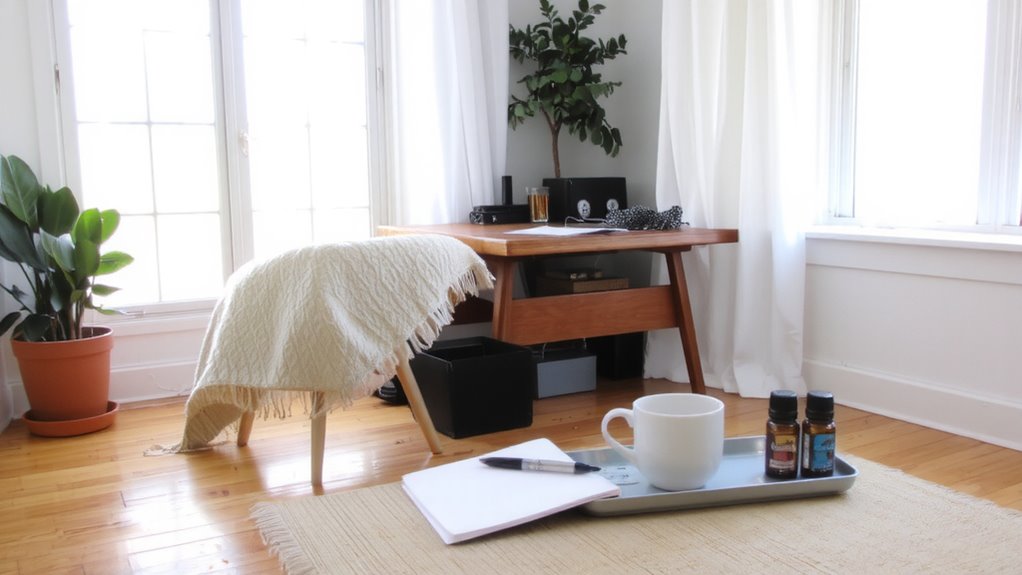
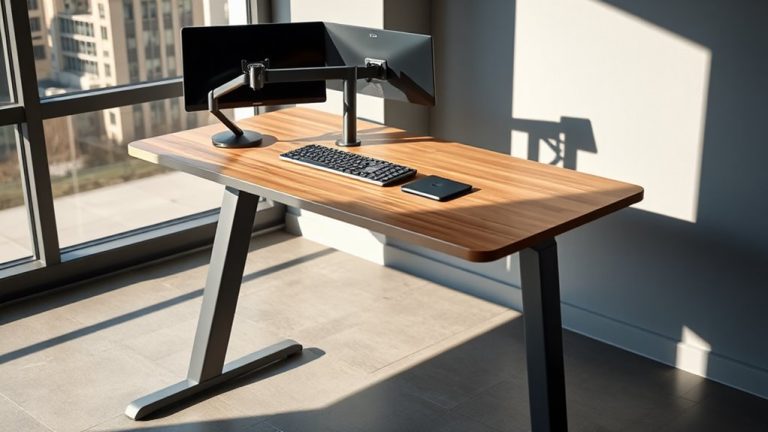
Designing a workspace that supports your mental well-being starts with control-over light, sound, and personal space-because feeling in control reduces stress and sharpens focus. You need ergonomic comfort, so pick a chair with adjustable lumbar support and a desk at elbow height to avoid strain. A monitor arm lets you position screens just below eye level, reducing neck tension over time. But don’t assume more features mean better results-some adjustable desks wobble under load, so check weight ratings. Set clear personal boundaries by defining work hours and using noise-canceling headphones if needed. Physical separators, like a room divider or shelf, help mark off space even in shared areas. While small changes improve daily function, they won’t fix deep issues like chronic isolation-use them as tools, not cures. Test gear for at least a week; comfort isn’t always immediate. Consider investing in one of the best office chairs for perfect posture to support spinal alignment during long work sessions, as best office chairs are designed with adjustable features that promote healthy sitting habits.
Optimize Lighting to Reduce Fatigue and Stress

You’re already managing stress with ergonomic gear and personal boundaries, so now it’s time to tackle one of the most overlooked factors in focus and comfort-lighting. Prioritize natural light by positioning your desk near a window, ideally within 10 feet, to regulate circadian rhythms and reduce eye strain. But avoid direct glare on screens, which can worsen fatigue. When natural light isn’t enough, use full-spectrum bulbs (5000K color temperature) that mimic daylight without excessive blue light. Limit exposure to cool-white LEDs late in the day, as their blue light may disrupt sleep. Dimmable lamps with warm settings (2700K–3000K) after sunset help maintain melatonin levels. While some smart bulbs offer customizable color temps and timers, they vary in accuracy and reliability-check independent reviews. No lighting fix replaces good habits, but strategic choices can meaningfully cut stress and boost alertness when properly applied. Consider investing in one of the best desk lamps for programmers, such as models with adjustable color temperatures and flicker-free lighting, to support prolonged screen work and eye comfort. best desk lamps for programmers
Add Indoor Plants to Boost Focus and Calm
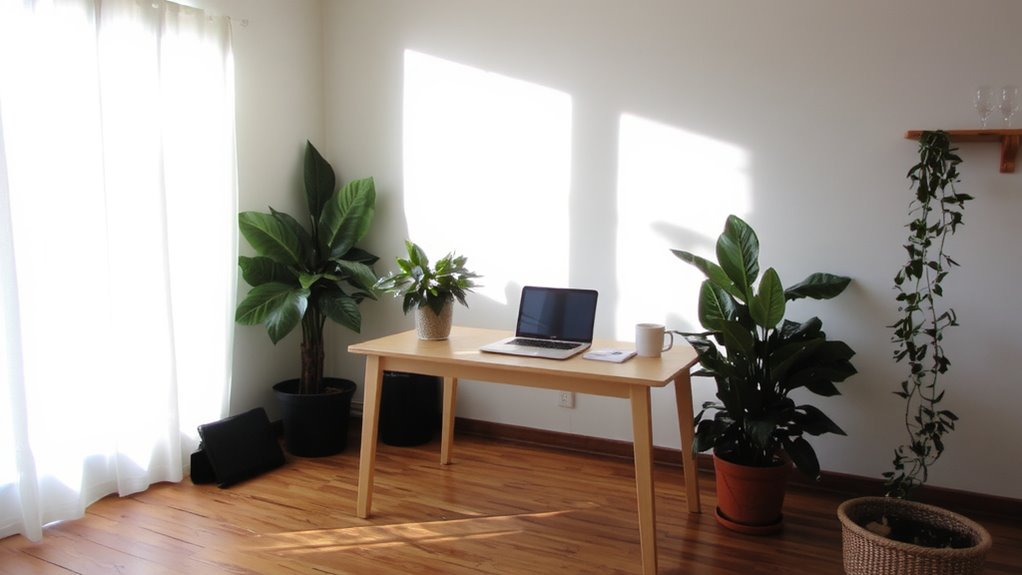
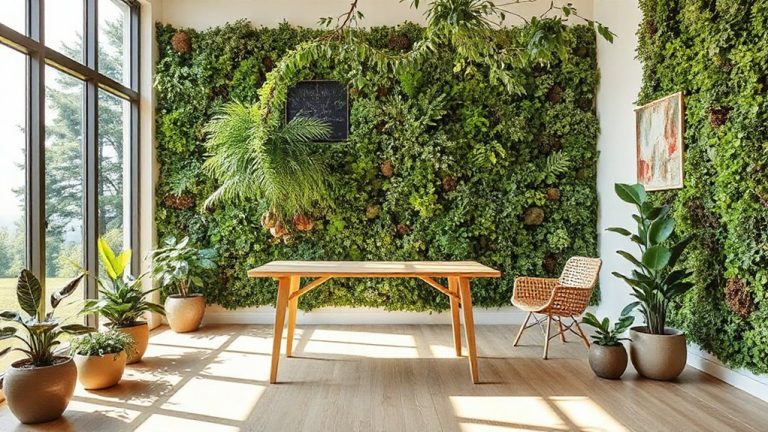
Indoor plants aren’t just decoration-they’re functional tools that, when chosen right, can improve air quality, sharpen focus, and reduce stress. Adding them aligns with biophilic design, which links natural elements to better mental function. Studies show certain plants, like snake plants or peace lilies, filter indoor air and support green therapy by lowering cortisol levels. You’ll likely feel calmer with greenery nearby, and some find plants boost concentration during long work sessions. Start small-overwatering is a common mistake. Pick low-light, drought-tolerant species if you’re new to plant care. Look for pots with drainage holes to prevent root rot. While real plants offer measurable benefits, they do require upkeep. Fake plants don’t provide the same air-purifying effects or psychological perks. So, if you can’t commit to care, skip them. Overall, live plants complement a healthy workspace-but only if you maintain them.
Display Photos and Keepsakes That Spark Joy
Why does your workspace feel so different when a photo or small memento stands on the desk? Because personal mementos and photo memories create emotional anchors, reducing feelings of isolation. Seeing a loved one’s smile or a vacation snapshot can lift your mood and reconnect you to meaningful moments. These items don’t boost productivity directly, but they support mental well-being, which indirectly improves focus and endurance. Choose small, stable frames-4×6 inches works best-and limit to one or two items to avoid visual clutter. A lightweight acrylic frame is safer than glass near electronics. While not essential gear, these touches offer measurable psychological benefits, especially in remote setups. Just avoid placing them where they distract from screen tasks or collect dust easily. Done right, photo memories and personal mementos make your workspace feel less like a station and more like a part of your life.
Clear Clutter to Feel More in Control
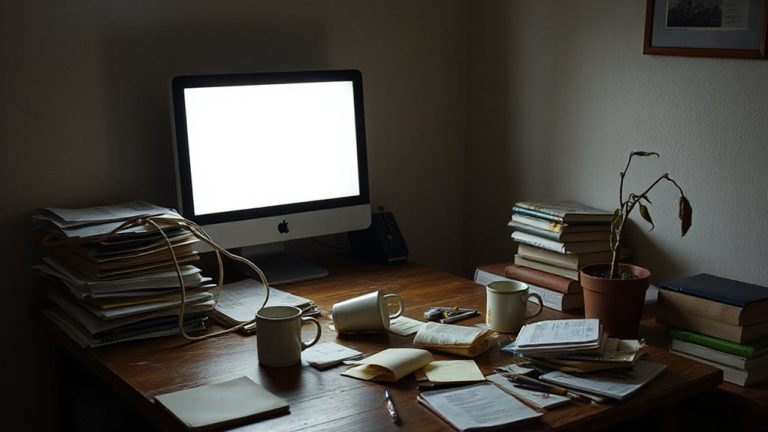
A clutter-free workspace isn’t just about looking tidy-it’s a proven way to reduce mental fatigue and regain focus. You’ll feel more in control when you embrace organized surfaces and a minimalist design. Physical mess competes for your attention, so keeping only essential tools visible helps sustain concentration. Use desk trays, cable clips, and drawer organizers to maintain clear zones. The right best desk organizers can make a significant difference in achieving and maintaining this level of order. Below is a comparison of common workspace setups:
| Feature | Cluttered Desk | Balanced Setup | Minimalist Design |
|---|---|---|---|
| Surface Coverage | Over 75% full | 40–60% in use | Under 30% occupied |
| Focus Impact | High distraction | Moderate clarity | Maximum focus |
| Maintenance Time | 15+ mins daily | 5–7 mins daily | Under 3 mins daily |
Minimalist design works best when paired with smart storage. While extreme minimalism may feel sterile, organized surfaces boost efficiency without sacrificing comfort.
Include Items That Remind You You’re Not Alone
Your workspace should reflect more than just productivity-it’s a place where connection matters. Include items that remind you you’re not alone, like personal mantras or meaningful quotes in simple frames. They offer quiet encouragement during tough tasks and help ground your mindset. A well-placed sticky note with a mantra such as “You’ve got this” can shift your mood without distraction. Meaningful quotes-choose ones that resonate personally, not just trendily-add depth without clutter. These aren’t flashy fixes, but tested tools for emotional resilience. Just don’t overdo it; too many visuals create noise. Stick to one or two items with real emotional weight. They work best when authentic, not decorative. Real-world use shows they help most during low-energy hours. No special gear needed-printer paper, tape, or a $5 frame work fine. Warranties don’t matter here-just honesty in what you choose.
Use Sound Intentionally to Match Your Energy Level
How do you tailor your environment when focus starts to slip or energy dips midday? You can use sound intentionally to reset your mental state. When concentration fades, try ambient noise like white or pink noise at 50–60 dB-levels proven in office studies to support focus without overwhelming. Apps or smart speakers can deliver this consistently, but avoid overuse, as constant exposure may reduce effectiveness over time. On low-energy days, switch to music with steady rhythmic patterns-think lo-fi beats or instrumental jazz-around 60–80 BPM, which research links to improved alertness. These patterns help entrain brainwaves without distraction. Headphones with passive isolation work well, but take breaks to avoid auditory fatigue. Sound isn’t a fix-all; individual sensitivity varies. Test different options during low-stakes tasks to find what supports your rhythm without causing dependency.
On a final note
You’ll feel sharper and more connected by upgrading your workspace thoughtfully. Proper lighting-like adjustable 4000K LED lamps-cuts eye strain, while real or low-light plants such as snake or pothos improve air and focus. Personal photos and tidy storage boost morale without clutter. Noise-canceling headphones help control sound, but balance them with natural audio breaks. These changes work, but only if they fit your routine-no gadget replaces consistent, mindful habits.