How to Identify Overheated Cables by Visual and Tactile Inspection
You’ll spot overheated cables by yellowed, brown, or dull gray insulation-clear signs of thermal stress from temps above 60°C. Brittle, cracked, or warped outer sheathing near plugs or bends means it’s time to replace the cable. Feel for hot spots along the wire under load; warmth is normal, but heat suggests internal damage. Melting, warping, or discoloration at plugs demands immediate unplugging. Loose or warm connections increase fire risk-don’t wait. Most wear out in 3–5 years, even if they look okay. Watch what comes next.
Notable Insights
- Discolored insulation (yellow, brown, or dull gray) indicates thermal stress from prolonged overheating.
- Brittle, cracked, or warped insulation signals material degradation and increased fire risk.
- Feel for excessive heat along the cable; abnormal warmth suggests internal damage or overload.
- Melting, dripping insulation or warped plugs means severe overheating and immediate danger.
- Loose or hot plugs, wobbling connections, or scorch marks indicate poor contact and potential arcing.
Watch for Discolored or Faded Cables
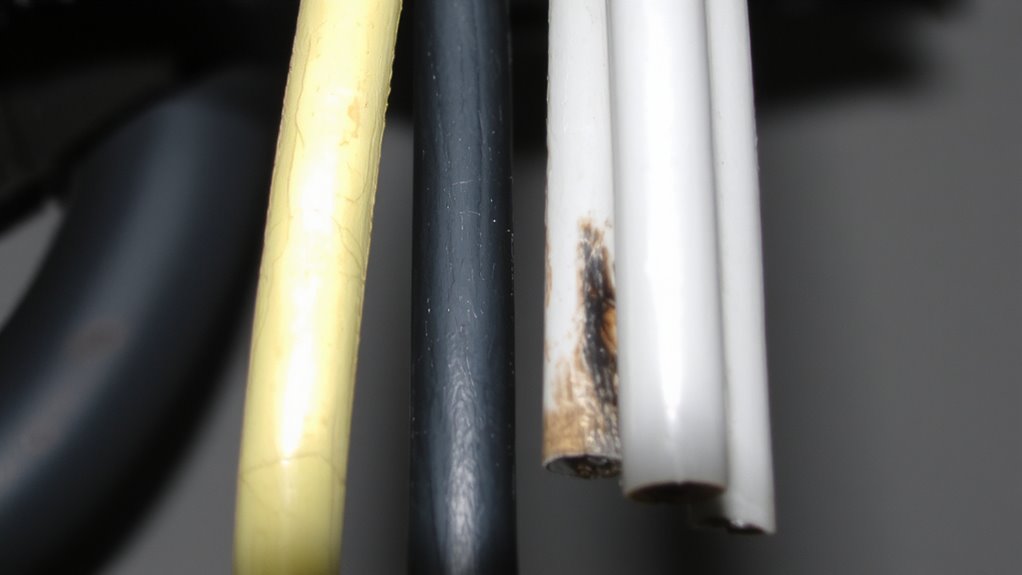
Your cable’s insulation showing signs of discoloration or fading is a red flag you shouldn’t ignore. This often signals advanced cable aging and early insulation degradation caused by prolonged heat exposure. When insulation changes color-especially turning yellow, brown, or dull gray-it means the material has been thermally stressed. That compromises both dielectric strength and flexibility, increasing the risk of short circuits or fire. While modern PVC and thermoplastic insulation resists moderate heat, sustained temperatures above 60°C accelerate breakdown. You’ll commonly see this near power supplies, outlets, or in tightly bundled cables with poor airflow. Don’t assume discoloration is just cosmetic-especially if it’s uneven or localized near connectors. Immediate replacement is wise, particularly for high-load devices. Keep in mind, though: a new cable won’t fix underlying issues like overloaded circuits or poor ventilation.
Spot Brittle, Cracked, or Warped Insulation
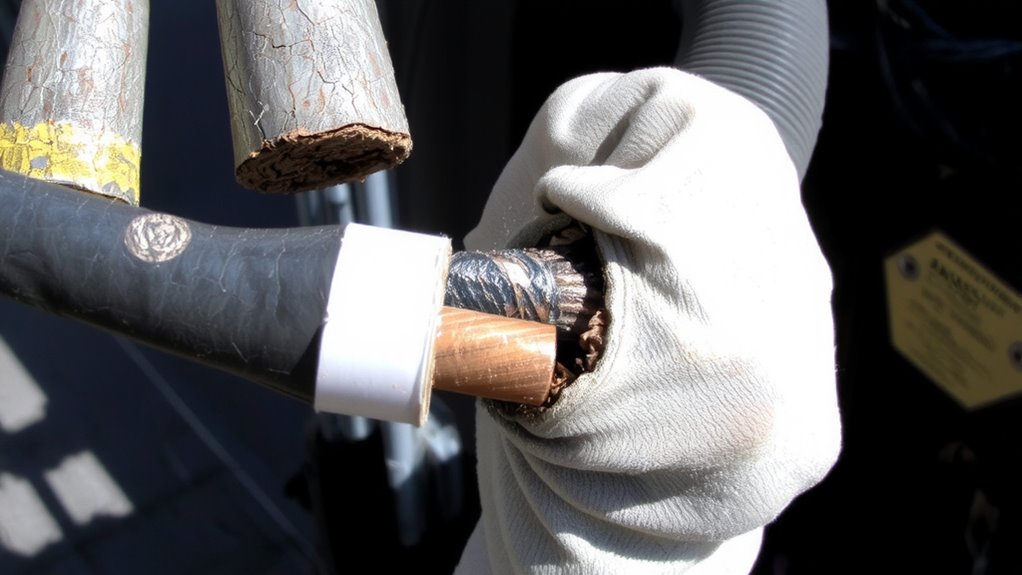
What happens when cable insulation loses its flexibility? You’re looking at a clear sign of overheating. Brittle, cracked, or warped insulation means the material can’t flex like it should-cable flexibility is gone. Run your fingers along the sheath and notice the insulation texture: it should be smooth and slightly pliable, not rough or flaky. Cracks or warping suggest prolonged heat exposure, which compromises safety and performance. These flaws often appear near connectors or bends where stress and heat build up. While stiff insulation doesn’t always mean immediate danger, it does reduce lifespan and increase fire risk. Replace such cables promptly-don’t wait for failure. Most quality cables last 3–5 years under normal use, but heat accelerates wear. Always check older or heavily used cords, especially those near power strips or under desks. Safety matters more than saving a few bucks.
Feel for Excessive Heat Along Wires
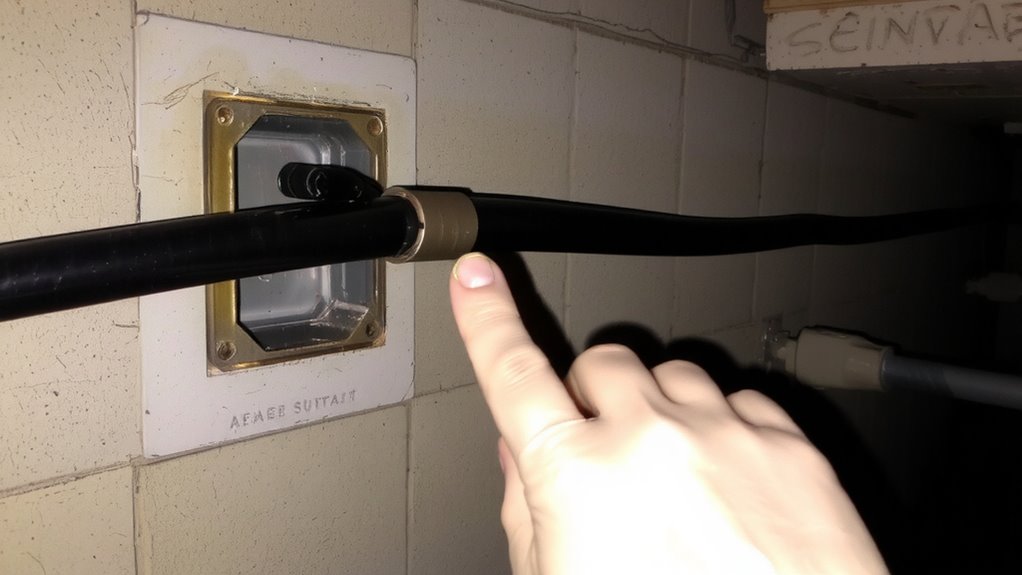
A cable that’s warm to the touch isn’t always a problem-some heat is normal under load-but if you notice a wire that’s hot along its length, especially near the middle, that’s a red flag. Run your fingers gently along the cable to check for abnormal heat patterns; consistent warmth may suggest overloading, while intense heat spots can point to internal damage or poor connections. Pay attention to cable texture changes-areas that feel stiff or melted beneath the insulation often indicate prolonged overheating. Never rely solely on sight; tactile inspection reveals issues before failure. However, don’t test powered cables with wet hands or while wearing metal jewelry to avoid shocks. Unplug first if possible. While many modern cables handle heat well, sustained high temperatures degrade materials over time. Check manufacturer specs for temperature ratings, but trust your touch when real-world conditions seem off.
Check for Melting at Plugs or Outlets
Signs of melting at plugs or outlets are among the most urgent warnings of an overheated electrical system. If you see warped plastic, discolored surfaces, or brownish marks around a plug or outlet, you likely have cable deformation from excessive heat. In severe cases, you might notice insulation dripping-where the protective coating softens and droops like wax-exposing live wires. This isn’t just dangerous; it’s a serious fire hazard. You should unplug the device immediately and shut off power to that outlet. Do not reuse any cable showing these signs, as performance and safety are already compromised. While some cables claim heat resistance, no consumer-grade product can safely withstand actual melting. Replace the damaged cable with one rated for your device’s voltage and current-typically labeled on both plug and device-and check for safety certifications like UL or ETL.
Inspect Plug and Outlet Connections
Even though a loose or wobbly plug might seem like a minor annoyance, it’s often a red flag for poor electrical contact that can lead to arcing and overheating. You should check plug and outlet connections regularly-loose connections increase resistance, which generates excess heat and raises fire risk. Gently tug on the plug to test stability; any movement in the outlet suggests worn contacts. Look closely at the cord base where it meets the plug, since this spot often hides frayed wires or insulation stress. If you spot cracked sheathing or exposed copper, stop using the cable immediately. Don’t rely solely on visual checks-feel the plug after unplugging a device. If it’s warm or hot, that’s a sign of trouble. While most modern outlets are rated for 15–20 amps, overloading them can still degrade connections over time. Always match plug and outlet types properly.
Replace Cables If You See These Warning Signs
If you’ve noticed any of the warning signs we’ve covered-like frayed insulation, discolored plugs, or heat buildup after use-it’s time to replace that cable, no exceptions. Frayed wires increase resistance and create hot spots, raising fire risk. Exposed conductors aren’t just unsafe-they can short-circuit equipment or deliver shocks. Even if the cable still works, degraded insulation means it’s failing. Most electrical cables last 3–5 years with regular use; after that, materials degrade. Replacement isn’t overkill-it’s prevention. Use UL-listed cables with thick jacketing and strain relief at connectors. Avoid cheap knockoffs, even for low-cost devices. These often skip safety margins. While high-quality cables cost more upfront, they last longer and perform reliably. There’s no fix for damaged wiring-tape won’t cut it. Replace it immediately. Safety isn’t optional.
On a final note
You should replace any cable showing discoloration, brittleness, or warmth during use-it’s a clear safety risk. These signs often mean insulation breakdown or overloaded circuits, especially with frequent plugging and unplugging. While heavy-duty cables rated for 16 AWG or higher handle more current, no cord lasts forever. Even well-made ones wear down after 2–3 years under constant load. Always unplug before inspecting, and don’t rely solely on looks-feel connectors too. If they’re hot, stop using them.